


Contractors across North Carolina and South Carolina face a straightforward workforce problem: they don’t have enough skilled workers to fill upcoming jobs, and the construction industry cannot afford to lose the people it already has. Women in construction in the Carolinas remain an underused talent pool, and retaining and advancing them is a practical business priority for contractors focused on staffing, safety, and long-term growth.
ABC National said in January 2026 that the construction industry must attract 349,000 new workers in 2026 just to keep labor supply and demand in balance. At the same time, Bureau of Labor Statistics data for August 2026 showed women made up 14.3% of U.S. construction employees. Those two facts matter together: if contractors want stronger crews and more stable project teams, they need workplaces where women can stay, advance, and lead.
This article looks at where that priority shows up in day-to-day operations: jobsite barriers such as PPE and facilities; leadership and culture; harassment prevention; recruiting and onboarding; mentorship and career paths; scheduling and benefits; and how Carolinas contractors can measure retention progress while using ABC Carolinas workforce resources.
For commercial contractors in Charlotte, the Triangle, Upstate South Carolina, and the major I-85, I-77, and I-95 corridors, retention is not separate from operations. Every avoidable departure means more time spent recruiting, onboarding, and rebuilding field continuity. That is especially costly when labor remains tight.
Women are still a minority of the national construction workforce, even after years of gradual growth. BLS data put women at 14.3% of U.S. construction employees in August 2026, while U.S. Department of Labor research on onsite construction occupations shows women remain a very small share of many field roles. In other words, the industry has more room to improve both entry and retention.
For Carolinas contractors, the business case is practical rather than abstract. When women stay and advance, firms gain more stable teams, protect training investments, and widen the pool of future foremen, superintendents, estimators, safety professionals, and project managers. In a labor market where replacement is expensive and schedule pressure is real, that matters.
Thriving is not the same as being hired. A company can recruit a woman into construction and still lose her quickly if the daily jobsite experience pushes her out. Thriving means staying power, access to meaningful work, advancement into higher-responsibility roles, and the confidence that performance, not bias, will shape opportunity.
In practical terms, that means women should be able to build careers as craft professionals, foremen, superintendents, estimators, project managers, and safety leaders on commercial projects across North Carolina and South Carolina. They should see visible paths forward, not vague promises.
When women thrive on a jobsite, the daily experience usually includes:
Consider two versions of the same commercial project. On the first site, a woman electrician is handed oversized gear, directed to a poorly maintained restroom, and passed over for more challenging assignments despite having the skills to handle them. She leaves. On the second site, she receives PPE that fits, works in a jobsite environment where disrespect is corrected quickly, and is evaluated on performance. She stays, builds experience, and becomes a stronger long-term asset to the company. The difference is not branding. It is leadership and execution.

A respectful workplace does not happen by accident. Written policies matter, but culture is shaped by what leaders fund, what they correct, and what they tolerate when no one from HR is present.
Different levels of leadership own different parts of that outcome:
That is why supervisor training matters. Contractors that want women to stay need field leaders who can coach people, communicate clearly, and address problems in real time. ABC Carolinas’ workforce development resources can help firms build stronger people-development systems, not just recruiting pipelines. Contractors looking to strengthen leadership from within can also connect emerging leaders to programs such as ABC Carolinas member events and peer-learning opportunities when those fit the company’s development goals.
Hostile jobsite culture is one of the clearest ways to lose good workers. OSHA advisory committee materials have specifically discussed poor-fitting PPE and workplace sexual harassment as issues that can create safety and health problems in construction. That does not make harassment only an HR issue. It is also a jobsite-performance issue.
A practical anti-harassment approach in a Carolinas construction firm should include:
Concrete examples matter. Catcalling, repeated comments about appearance, exclusion from key tasks, or assumptions that a woman should only handle lighter work are not minor culture issues. Left unchecked, they tell employees exactly how much respect they can expect on the job.
Many mid-size contractors in the Carolinas do not have large HR departments. That is a real limitation, but it is not a reason to ignore the issue. Smaller firms can still create a reporting path, train supervisors, document responses, and review whether problems are being handled promptly and consistently.
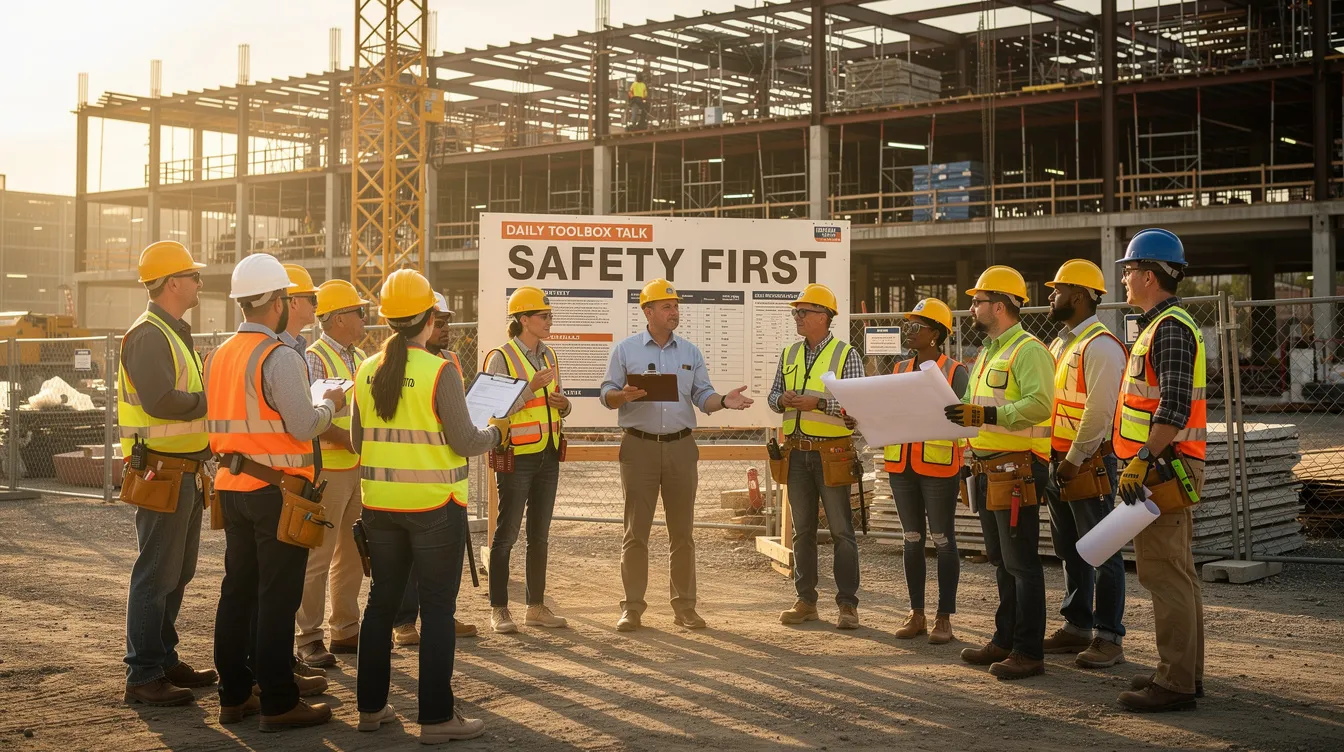
Some retention barriers are cultural. Others are operational. Both matter.
PPE fit is now a more explicit compliance issue. OSHA’s final rule on personal protective equipment in construction took effect on January 13, 2025, and states explicitly that PPE must properly fit each affected employee. OSHA has also explained that this issue is especially important for smaller construction workers, including some women, who may not be able to use standard-size gear safely.
For contractors, that means PPE selection should not be treated as a one-size-fits-all purchasing exercise. Practical steps include:
Sanitary facilities matter too. On a jobsite, privacy, cleanliness, lighting, proximity, and maintenance all affect whether workers can use facilities without unnecessary stress or health risk. Poor facility conditions can also lead workers to avoid hydration or delay restroom use, undermining both comfort and safety.
Operational fixes are straightforward:
Access to work matters as much as access to gear. Women should have the same opportunity to gain hands-on experience, use tools and equipment, and take on visible assignments that build capability. If a qualified worker is consistently steered away from stretch opportunities, the company creates more than a retention risk. It is wasting talent it already has.
The first months on a jobsite often shape whether a new hire stays. Recruiting matters, but onboarding and early support usually matter more.
For Carolinas contractors, recruiting can include:
Onboarding should be specific. Day one should cover more than paperwork and a safety video. It should also explain reporting channels, where facilities are located, how PPE requests work, what behavior the company expects, and who the new hire can go to with concerns.
Many firms also benefit from a buddy or mentor system during the first 60 to 90 days. When possible, pairing a new worker with someone committed to helping them succeed can improve confidence, reduce confusion, and surface problems earlier.
ABC Carolinas offers workforce development resources to help contractors build stronger recruiting and onboarding systems for long-term retention.

Retention improves when people can see a future with the company. That is especially true in construction, where advancement often depends on access to experience, training, and visible opportunities to lead.
Structured mentorship doesn’t have to be formal or expensive. The most useful versions usually include regular check-ins, honest feedback, and a clear connection to skill growth. A mentor can help a newer employee navigate jobsite expectations, prepare for the next role, and build confidence in an environment that may still feel isolating.
Apprenticeship is equally important. ABC Carolinas’ apprenticeship and craft education programs combine classroom instruction with on-the-job learning and give contractors a structured way to build trade talent. For women entering craft roles, that kind of visible development path can be a major retention advantage.
Career paths also need to be made explicit. Contractors should not assume employees can guess how to move from apprentice to journeyperson, foreman, superintendent, estimator, or project manager. Spell out the expectations. Explain what training, certifications, field experience, and leadership behaviors support each step.
Leaders who want to contribute to broader workforce solutions can also engage with the ABC Carolinas Workforce & Talent Committee, which focuses on strengthening career pathways and workplace culture across the region.
Not every retention decision is made on the jobsite itself. Scheduling practices, benefits, and day-to-day predictability can also shape whether women stay in the industry.
Contractors cannot eliminate the demands of commercial construction, but they can reduce unnecessary friction. Helpful practices include:
Benefits matter too. Health coverage, parental leave, PTO, and access to mental health support can all influence whether employees view construction as a long-term career rather than a short-term stop. Merit shop contractors that compete on performance should also ensure pay and advancement decisions are based on clear expectations and documented contributions, not assumptions about who fits a role.
If you are not tracking retention, advancement, and employee experience, you are mostly guessing. Contractors do not need a complicated dashboard to improve. They need a few useful measures and the discipline to review them.
Start with practical metrics such as:
This information does not need to become a public scorecard to be useful. Its value is internal. If one office, project, or supervisor has stronger retention outcomes than another, that is worth studying. If women leave early and cite the same types of barriers, that pattern should drive action.
A hypothetical example makes the point. If a contractor discovers that women are leaving earlier than other new hires, the next step is not to hold a generic culture meeting. Instead, review onboarding, field supervision, facility conditions, and assignment practices on the projects with the highest turnover.
The best next step is usually not a sweeping initiative. It is one concrete improvement that changes the daily experience on your job sites.
That might mean auditing PPE fit across active crews, reviewing restroom conditions on current projects, retraining supervisors on harassment prevention, or launching a simple mentorship structure for new hires. For Carolinas contractors, progress starts when you treat an operating issue like an operating issue.
ABC Carolinas can support that work through workforce development resources, apprenticeship and craft education, and peer connections through the Workforce & Talent Committee. Contractors looking for broader leadership development and member connection can also explore ABC Carolinas events and networking opportunities.
The bottom line is simple: women in construction in the Carolinas are too important to be treated as a side conversation. Firms that create job sites where women can succeed, stay, and advance will be in a stronger position to recruit talent, retain knowledge, and compete for work across North Carolina and South Carolina.


