


Gen Z is entering the construction workforce across North and South Carolina in growing numbers, and these younger workers are evaluating employers on construction safety culture, training quality, and visible career paths, not just hourly pay. For contractors competing in Charlotte, the Triangle, Upstate South Carolina, and the booming data center corridor, the companies that can demonstrate genuine safety commitment will win the recruiting battle.
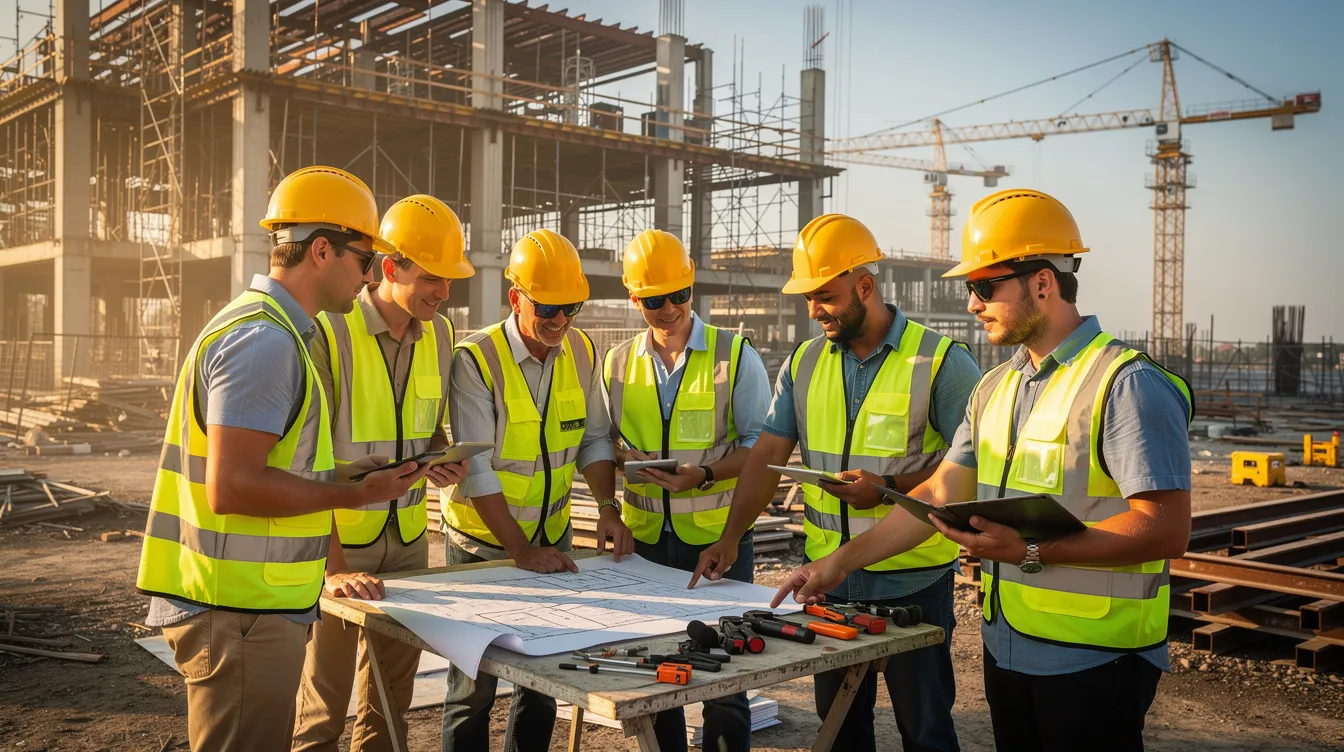
Gen Z, roughly ages 18 to 29, is entering the Carolinas construction workforce as the region adds data centers, manufacturing facilities, healthcare campuses, and infrastructure projects along the I-85, I-77, and I-95 corridors. Nationwide, over 400,000 construction job openings are projected annually through 2032, and the Southeast is absorbing a disproportionate share of that demand.
The 2026 SimplyWise Skilled Trades Survey, reported by Construction Executive, found that 66% of Gen Z respondents would encourage a friend to pursue skilled trades. Even more telling, 52% of current college students said the trades feel safer than office jobs in an economy reshaped by AI. In markets like Charlotte, Raleigh-Durham, and Greenville-Spartanburg, construction firms are not only competing with each other; they are also competing with logistics centers, manufacturing plants, and service employers for the same entry-level talent.
For many young job seekers and their parents, a visible, credible construction safety culture is now a threshold requirement before they will consider a job on a commercial job site, because it improves their understanding of what day-to-day work will actually be like. ABC Carolinas, as a regional merit shop trade association, is seeing members win talent when they can demonstrate both strong safety and structured development opportunities.
Gen Z does not reject physical labor or manual tasks. What they reject is the sense that an employer will treat them as disposable. Research consistently shows they are selective about safety, training, and company culture. Separate the stereotypes from reality: younger workers are not avoiding construction work; they are evaluating whether employers will invest in them.
Concrete priorities younger workers report in current research include:
Many Gen Z candidates ask about mentorship, feedback, and schedule stability during interviews. This intersects directly with safety, because a company that empowers apprentices to stop work when conditions are unsafe is the same company that earns their loyalty. Meanwhile, 75% of Gen Z prioritize equitable advancement opportunities when evaluating employers.
For high school students, community college students, and university student chapters across the Carolinas, a documented safety program and clean, well-organized job sites signal that an employer will invest in their future. Companies that can quickly share specific examples, such as recent safety training sessions or toolbox talks tailored to new hires, tend to earn more trust from young construction professionals.
Construction safety culture is not just OSHA compliance. It is the shared values, practices, and daily behaviors regarding safety on site. Gen Z reads that behavior as proof of leadership quality, company values, and how they will be treated as employees.
What visible construction safety culture looks like to a first-year worker:
Safety culture is integral to achieving better project performance and reducing costs. Companies that prioritize safety attract and retain skilled workers more effectively. A strong safety culture shifts the focus from reactive enforcement to proactive prevention, which means fewer injuries, fewer work stoppages, and lower insurance premiums. Construction sites with strong safety cultures see lower injury and fatality rates, which directly protects the bottom line.
An effective safety culture requires visible leadership commitment and open communication. Proactive hazard-reporting systems are critical to improving safety performance. When parents, school counselors, and workforce boards tour a Carolinas job site and see disciplined safety practices, they are more likely to recommend that employer to students and dislocated workers. That trust is a recruiting advantage no job posting can replicate.
ABC Carolinas members can reinforce this advantage through participation in chapter safety initiatives, awards, and regular construction safety training.
The first 90 days on a job site often determine whether a Gen Z hire stays or quits. Onboarding is where construction safety culture becomes real, and where employers either confirm or contradict the promises made during the hiring process by giving new hires the details that prove those promises are real. This section is a practical checklist for executives to hand to their safety directors and project teams.
Continuous safety training is essential to improving safety culture. ABC Carolinas safety resources and classes offer ready-made content employers can plug directly into their onboarding plans.
Many Gen Z candidates want a clear, debt-averse career path. Paid apprenticeships and craft education in the Carolinas meet that need directly. Apprentices earn $15 to $25 per hour from day one, and construction careers offer rapid compensation growth with experience as workers gain credentials and responsibilities.
A commercial construction career path in North and South Carolina can look like this pathway:
Construction management employment is projected to grow 3% from 2019 to 2029, which means the leadership positions at the top of this ladder are expanding, not shrinking.
Safety training and credentials are milestones on this path, not side tasks. Employers who map out when workers will complete specific safety courses give young professionals a sense of progress. ABC Carolinas apprenticeship and craft education programs provide the structure and credentials that make each rung of the ladder visible.
Structured, merit shop apprenticeships allow workers to advance based on demonstrated skills and safety performance, which resonates with Gen Z’s demand for fairness and control over their career path. ABC Carolinas workforce development programs can help employers without internal curricula build or expand a visible ladder for new hires.
Safety culture underpins every other workforce initiative, including recruiting, retention, and promotion. Without it, training programs lack credibility and career opportunities feel hollow to young workers evaluating their options.
Regional workforce development programs in the Carolinas, including ABC Carolinas-led efforts, now routinely include safety modules, OSHA awareness, and job-site expectations in pre-apprenticeship and apprentice training. Merit shop philosophy is integral to construction workforce development, ensuring advancement is tied to competence rather than politics.
Employers should align their internal safety rules and procedures with the training content used in local community colleges, CTE programs, and ABC Carolinas classes. When young workers hear a consistent message from the classroom to the field, they trust the program and the employer. Construction firms should also invite cohorts from university student chapters and CTE programs for structured job site visits that highlight safety planning, pre-task planning meetings, and leadership involvement in safety decisions.
ABC Carolinas serves as the coordinating hub that helps employers, educators, and young professionals align around a shared safety and training standard.
Many current job ads in North and South Carolina still emphasize “hard work” and “must be reliable,” but say nothing about safety culture, mentorship, or advancement. That messaging misses what Gen Z actually asks about. Construction recruiters and HR teams should make these shifts now:
Merit shop philosophy emphasizes hiring based on skills and performance. It promotes fair competition among contractors in construction and supports ethical project delivery. The philosophy encourages transparency in hiring and advancement, which is exactly what Gen Z demands. Highlight your merit shop identity where it matches your company culture.
Use short videos from young professionals and foremen on Carolinas job sites, talking about how the company handles safety, feedback, and work-life balance. Make it easy for job seekers to connect, with mobile-friendly application processes and clear contact information, particularly for entry-level candidates exploring their first construction jobs.
Field leaders in Charlotte, the Triangle, and Upstate South Carolina shape how safe and supported Gen Z feels on site every day. Safety culture is not set by a policy binder; it is set by how a foreman responds when an apprentice raises a concern.
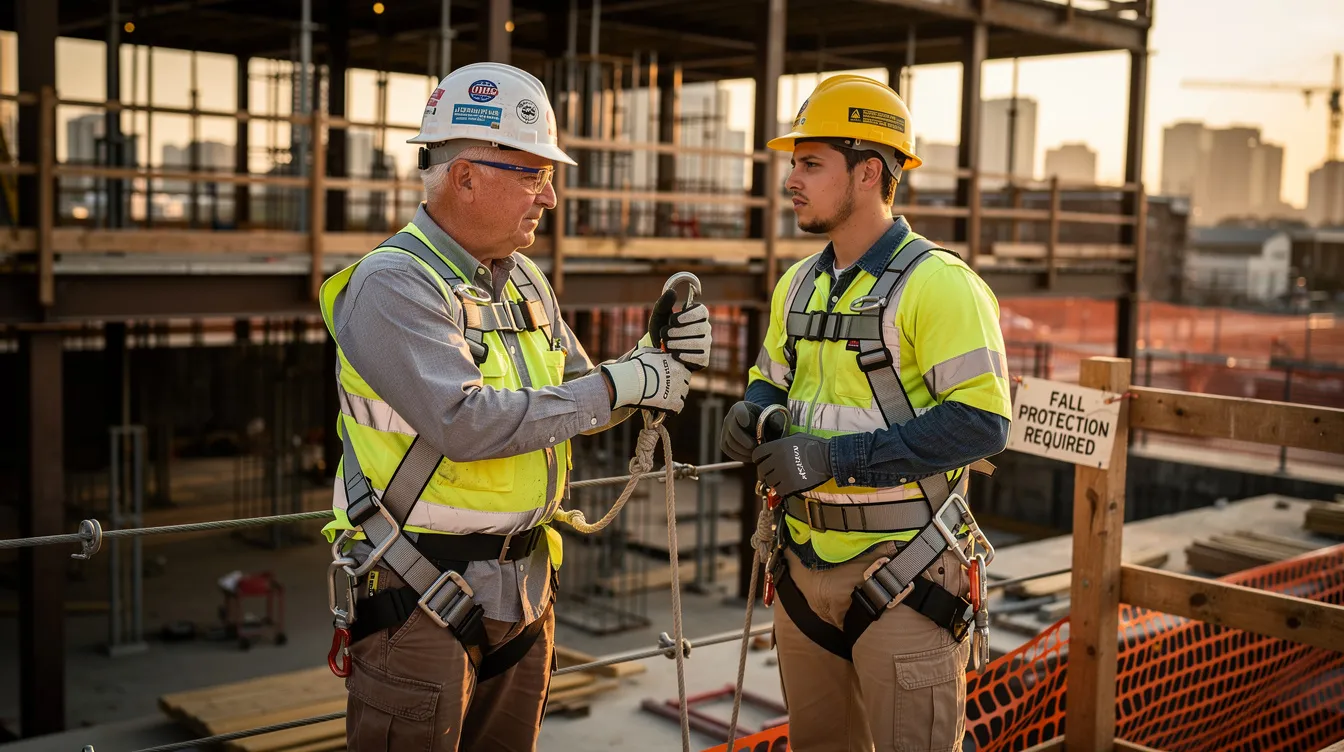
Formal and informal mentorship programs help translate written safety policies into real practice, especially when mentors take time to explain the “why” behind rules like lockout/tagout or fall protection anchorage points. Mentorship programs foster inclusion and workplace support, and companies that invest in mentorship see 30% higher retention among young workers.
Foreman and superintendent training should include communication skills, coaching younger workers, and responding constructively when apprentices raise safety concerns. Eighty-two percent of Gen Z workers want mentorship for performance goals, not just annual reviews but regular, on-the-job guidance.
Create simple feedback loops, such as monthly safety-and-culture check-ins with newer employees, to identify issues early and reinforce that raising concerns will not hurt their career path. ABC Carolinas offers leadership and safety education members can use to upskill supervisors managing a younger, more diverse workforce on complex commercial construction projects.
ABC Carolinas is the regional partner for building a stronger construction safety culture and talent pipeline across North and South Carolina. For employers focused on Gen Z, several specific offerings matter:
Readers interested in staffing, association roles, or supporting the mission can explore careers at ABC Carolinas. Contractors, subcontractors, and suppliers should contact ABC Carolinas staff to align their safety culture, apprenticeship strategy, and recruiting message for the next three to five years.
This section provides a 90-day action checklist for executives who want immediate, realistic steps to strengthen safety culture and become more attractive to Gen Z candidates.
Pick a pilot project in Charlotte, Raleigh-Durham, or Greenville-Spartanburg where you implement the full plan. Measure changes in incident rates, retention, and referral hires from young workers. Track a few simple metrics: first-year turnover, near-miss reporting participation, attendance at safety meetings by apprentices, and progress toward an improved EMR.
Connect with ABC Carolinas about workforce development programs, apprenticeship and craft education, and construction safety training as the most efficient way to accelerate your progress and enhance your competitive position in the construction industry.
These questions address practical issues Carolinas contractors often raise when aligning safety culture with Gen Z recruiting. Each answer provides direct, actionable guidance for executives and construction recruiters.
Designate a safety champion on each crew, use ABC Carolinas construction safety training resources, and adopt OSHA and ABC model policies. Schedule quarterly safety stand-downs focused on the top hazards your teams actually face. Partner with other local ABC Carolinas members to share best practices, co-host training, or bring in third-party experts for annual audits. Strong construction safety culture does not require a large corporate department; it requires consistent commitment from the businesses and organizations that employ the workers.
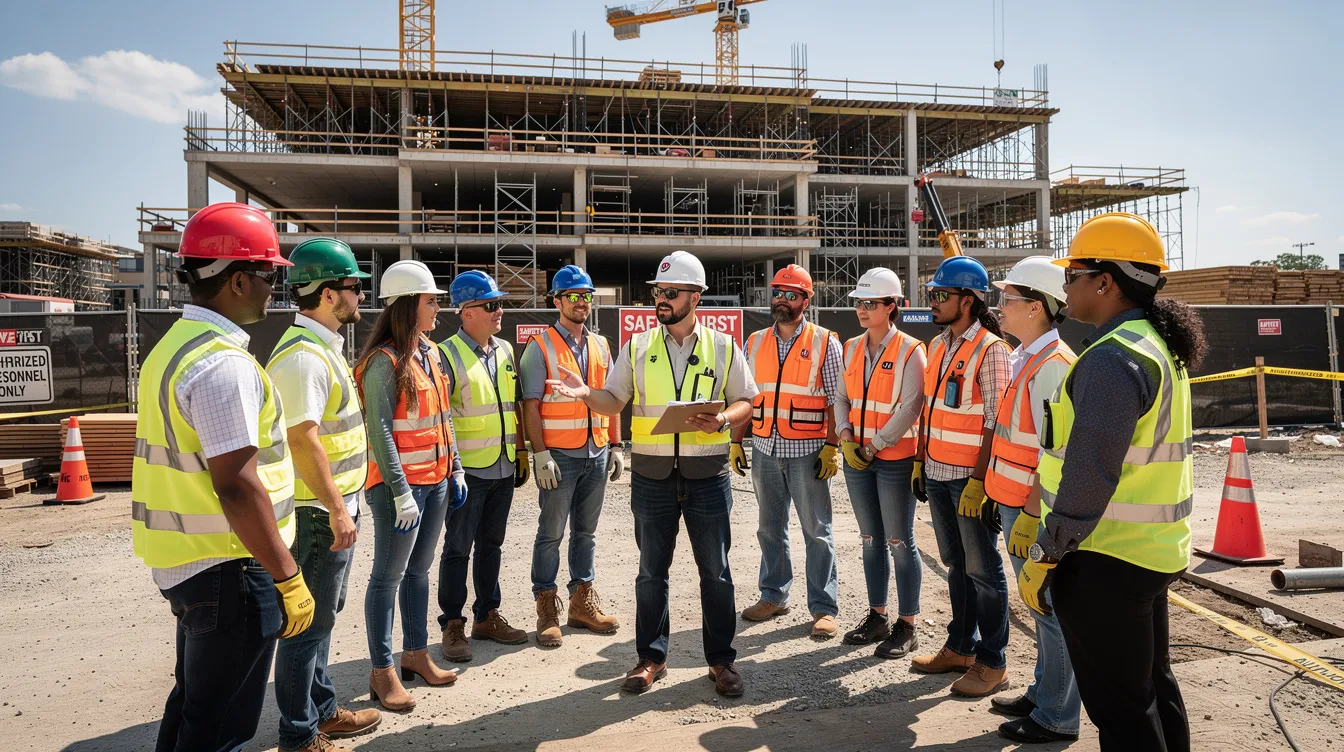
In North and South Carolina, many Gen Z candidates still rely on parents, school counselors, and community college advisors when weighing construction jobs. These influencers often ask about safety first. Contractors should invite these stakeholders to job site tours, career days, or presentations where they can see PPE use, fall protection, and crew briefings in action. That kind of access builds confidence in the company’s commitment to worker safety and helps point students toward employment that offers both stability and a strong career path.
Safety should be part of the very first conversation with potential apprentices, including high school students, CTE participants, and university student chapters. Do not reserve it for day one on the job site. Incorporate safety expectations and examples into classroom talks, career-fair materials, and interview discussions so that young people understand from the beginning that safety is a core value and a shared responsibility. This approach helps employers present their culture effectively before extending a job offer.
Schedule and budget pressures are real on commercial construction projects in fast-growing Carolinas markets. Clear planning, realistic schedules, and strong pre-task planning help reduce the perceived trade-off between speed and safety. Leaders should communicate that stopping work for a safety concern will be supported, then back this up by recognizing crews and supervisors who hit milestones without recordable incidents. This accountability signals to Gen Z that employers expect quality and safety to coexist with success on every project.
Start with a candid assessment: visit two or three active job sites in different regions, observe PPE use, talk with apprentices and young professionals, and compare what they describe with the company’s written safety policies. Use findings from this walk-through to set one or two concrete goals, such as standardizing orientation, implementing a common near-miss reporting process, or enrolling field leaders in an ABC Carolinas safety or leadership class within the next quarter. Consistency is the point where culture stops being a slogan and starts becoming a competitive advantage that helps your team hire and retain the talent this industry demands.


