


The fall 2026 economy is not cooperating with contractors who planned their year around midyear assumptions. For commercial construction firms across North and South Carolina, the question is no longer whether subcontractor risk is rising but how fast it is moving and what to do about it before the next round of bids goes out.
Construction risk management identifies and mitigates project risks, and nowhere is that discipline more consequential right now than in how Carolinas contractors select, contract, and manage their trade partners. Subcontractor risk management is the practice of qualifying, contracting, and coordinating subcontractors so that labor, materials, safety, and cash flow risks stay within tolerable limits for each project and support the broader construction process. Risk management is fundamental to successful project outcomes, and in a volatile economy, the assumptions that worked six months ago may already be outdated.
As of fall 2026, the Carolinas construction industry is operating under a pronounced split. Data center and healthcare projects along the I-85, I-77, and I-95 corridors remain strong, with firms in those sectors carrying backlogs averaging 11.4 months. Traditional office, retail, and speculative commercial construction work is considerably softer, with backlogs closer to 7.5 months. This creates a situation where some subcontractors are overextended in high-demand sectors, while others face workload gaps that strain their financial stability. Effective subcontractor risk management protects construction projects from costly delays and legal disputes, and in this environment, the stakes are higher than at any point since 2020 for owners, lenders, and other stakeholders.
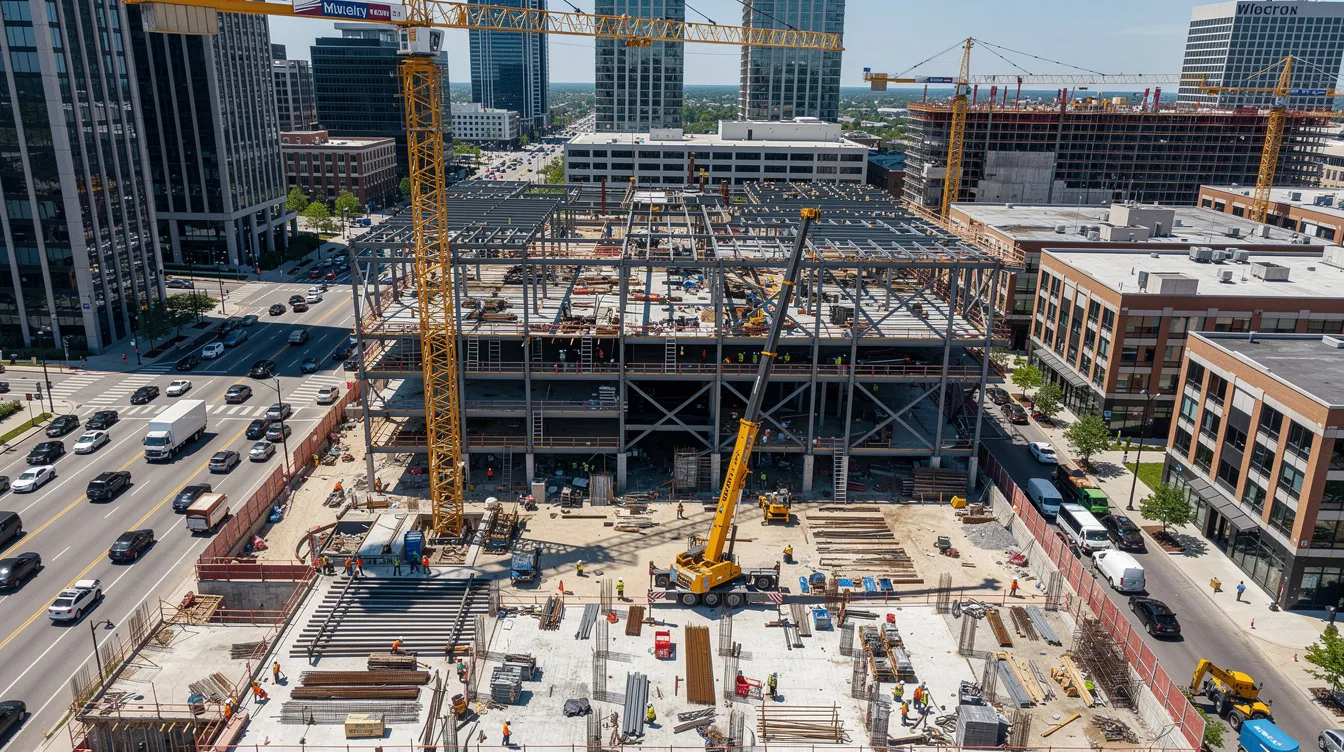
The numbers headed into Q4 2026 tell a clear story. Material input prices for nonresidential construction are running roughly 6 to 7 percent above the same period last year, with certain categories far higher: primary nonferrous metals up about 62 percent year over year, and copper wire and cable up about 22 percent. In 2025, nonresidential building spending fell 2 percent to $846 billion, and while 2026 projections show modest growth of about 1 percent, that growth is almost entirely concentrated in data centers and mission-critical facilities. High oil prices can increase construction material prices by 4 to 5 percent on their own, compounding pressure across diesel-dependent trades, roofing, and asphalt.
The Federal Reserve’s Richmond District Beige Book noted moderate commercial real estate activity but minimal pricing power amid rising input costs. Interest rates remain above pre-2020 levels, causing developers in Charlotte, Raleigh-Durham, and Greenville-Spartanburg to delay or re-sequence starts. That creates a cascade effect: subcontractors face gaps in expected work, cash flow tightens, and the temptation to underbid the next opportunity grows. A 2023 Deloitte survey shows 33 percent of construction pros report reduced costs from data usage, reinforcing that better technology helps firms track risk signals in real time and spot trouble earlier.
The translation for Carolinas contractors is direct: market data now changes how you must think about subcontractor exposure, contingency levels, and contract structure going into fall 2026.
On real commercial construction projects, subcontractor risk usually shows up first in prequalification gaps, weak scopes, schedule slippage, and payment tension. Managing risk with subcontractors requires a proactive approach throughout the project lifecycle, because by the time problems surface on the jobsite, the cost of correction has already multiplied.
The most common pressure points for Carolinas contractors right now include:
Monitor subcontractor performance with leading indicators to catch issues early, such as near-miss reports, pre-task safety observations, mobilization readiness, and incomplete or delayed work items that signal scope execution is slipping. Clear scopes of work help eliminate ambiguity and prevent costly disputes or change orders. Monitoring subcontractor financial health is critical to mitigate risks before they escalate, and collecting lien waivers is important to prevent claims against the property during construction projects of any scale. In a volatile market, these early warning signs appear faster and can cascade into claims, liquidated damages exposure, or reputational harm.
Subcontractor prequalification is the first and most important lever in subcontractor risk management, especially when interest rates, material costs, and demand are all moving at once. Prequalification involves assessing a subcontractor’s financial stability and safety record before awarding work.
Before fall bids go out, preconstruction teams in North and South Carolina should update or verify the following for every critical trade partner:
Risk identification techniques include stakeholder workshops and root cause analysis, and prequalification is the right time to apply them. Ask subcontractors directly about their exposure to variable rate debt, equipment rental price spikes, and outstanding receivables from other construction projects. Use ABC Carolinas peer networks and member events to cross-check references on new or high-risk subcontractors.
Documenting prequalification, contracts, and safety audits is essential for risk management. Strong documentation practices support effective subcontractor management throughout the lifecycle. As a practical step, hand your preconstruction team this checklist: confirm financial statements are current, validate EMR and safety metrics, assess capacity and workload overlap, verify insurance limits and policy expirations, and require short quote validity periods of 30 to 45 days.
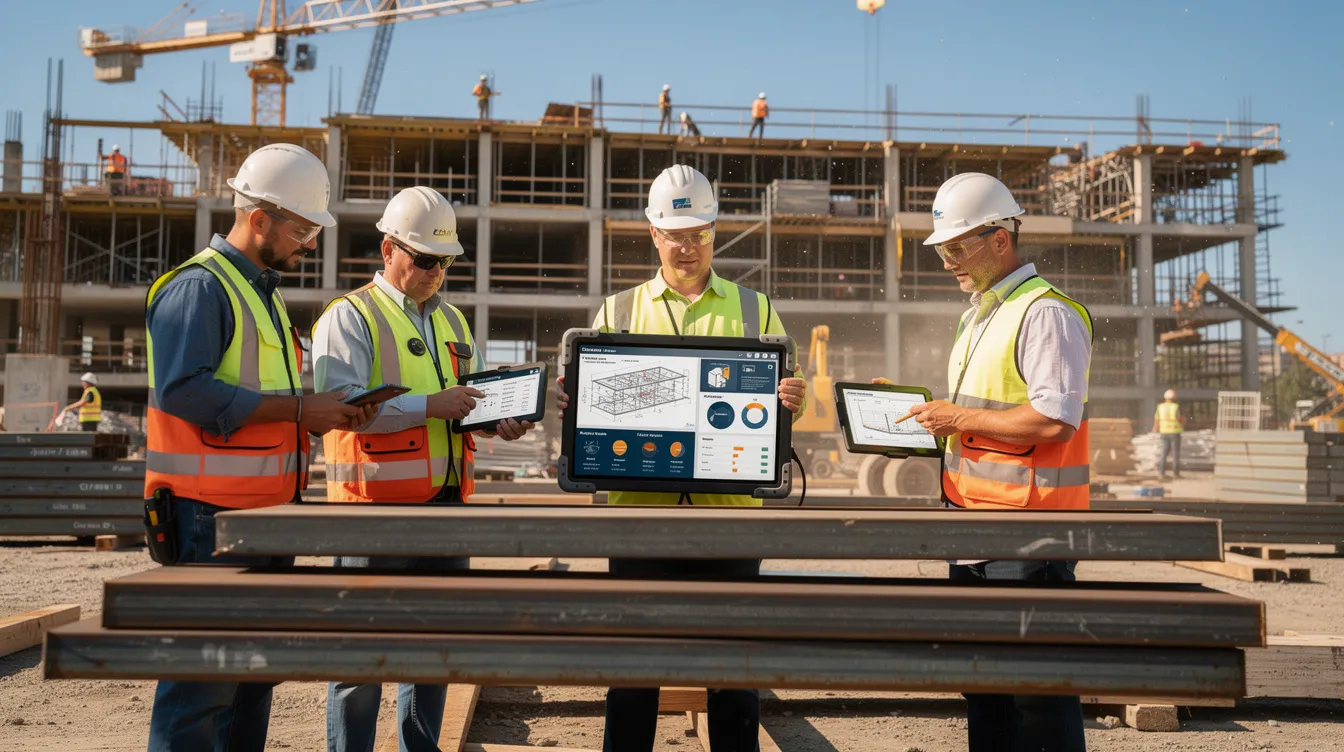
In fall 2026, construction contracts are the primary tools for allocating risk between general contractors, owners, and subcontractors, particularly around price volatility and cash flow. Contracts must include clear scopes of work and indemnification clauses to protect against liability, and getting the language right now matters more than at any point in the past several years.
Key contract provisions to review and tighten for Q4 include:
Contractual risk transfer holds subcontractors responsible for risks they control, and insurance protects against losses in construction projects where exposures exceed contractual coverage. Construction cash inflows typically come from three main sources: owner progress payments, retainage releases, and financing draws. Delayed invoicing can extend payment cycles to 60 or 90 days, but clearer invoices and faster approval workflows help firms get invoices approved and paid sooner; when delays are combined with retainage percentages of 5 to 10 percent, they can push subcontractors into severe cash flow stress on large commercial construction jobs. Thoughtful payment terms protect both parties by reducing the risk that a subcontractor collapses mid-project or walks away from a strained scope.
ABC Carolinas advocates for fair, competitive, and transparent contracting practices that support free enterprise and keep responsible subcontractors in the market, a principle that benefits every stakeholder on every project.
Backlog quality, subcontractor buyout timing, and construction cash flow are now tightly linked to rising or falling producer prices and lending conditions. Understanding these connections is crucial for Q4 2026 decision-making.
For firms in Charlotte or the Triangle, current backlog data can inform whether to buy out critical trades early in Q4 or stagger awards to maintain pricing leverage. When backlog is concentrated in data center work (averaging 11.4 months for those firms), subcontractor overcommitment is a real risk, and early buyout of key scopes may be the right move. For contractors with backlogs closer to the 7.5-month average for firms outside that sector, staggering buyouts preserves flexibility if starts slip further.
Material input index changes through July 2026 should directly influence contingency levels and allowances in subcontractor agreements. Advanced tools enhance risk identification and assessment in construction, and even simple scenario modeling can reveal how a 5 to 10 percent material spike affects project margins. Quality control measures ensure compliance with project specifications, and building shared savings structures into agreements gives both parties an interest in cost discipline.
Stress-test your construction cash flow under scenarios where owner payments slow by 30 days or subcontractors request accelerated draws due to their own financing pressures. If your working capital cannot absorb a simultaneous slowdown in receivables and acceleration in payables, address the gap now with credit lines or reserve adjustments. This connects directly to the broader effort of strategic planning for 2026 and managing material cost transition risks.
ABC Carolinas’ merit shop philosophy holds that open competition produces better outcomes for contractors, owners, and workers alike. In a volatile economy, this principle becomes an even more valuable risk management strategy.
Competitive bidding among qualified subcontractors in North and South Carolina helps the general contractor find the best value for each scope rather than being locked into mandated or restricted vendor lists. When traditional providers are overextended by data center demand or carrying elevated near-term pricing, merit shop firms can bring in specialized trades from a broader pool, including companies that have invested in workforce development, safety programs, and better equipment.
A structured approach allows for effective oversight of subcontractor performance throughout the project, and open competition supports that by ensuring the selected sub is the right fit for the specific scope, budget, and schedule. Free enterprise models reward high-performing subcontractors with growth and allow construction companies to build project teams based on capability, not artificial restrictions. The result is more choice, better alignment on productivity and safety, and stronger accountability across the entire project team.
Workforce depth and safety culture are the hidden variables in subcontractor reliability. Labor shortages across Carolinas metros, driven in part by the data center construction surge, mean subcontractors that can’t staff enough journeypersons or foremen create schedule and safety risk on every commercial construction project they touch.
Safety programs reduce workplace incidents on construction sites, and personal protective equipment (PPE) is essential for worker safety at every level. ABC Carolinas’ workforce development, apprenticeship, and safety training programs raise regional standards for craft skills and jobsite management, which indirectly strengthens subcontractor performance across the construction sector. Effective communication is key to successful risk management, and continuous communication enhances stakeholder engagement throughout the project lifecycle. Regular monitoring and open communication channels are essential for ongoing risk management, especially on complex jobs such as multi-story steel erection in Charlotte, MEP coordination in Triangle life science labs, or fast-track tilt-up wall industrial construction in Upstate South Carolina.
Leadership development for field supervisors and project executives reduces miscommunication with subcontractor foremen and cuts down on rework, near misses, and schedule disputes. Firms with stronger apprenticeship pipelines and leadership training are better positioned to absorb disruptions. ABC Carolinas training, peer groups, and safety roundtables help members close these gaps as part of a comprehensive subcontractor risk management strategy.
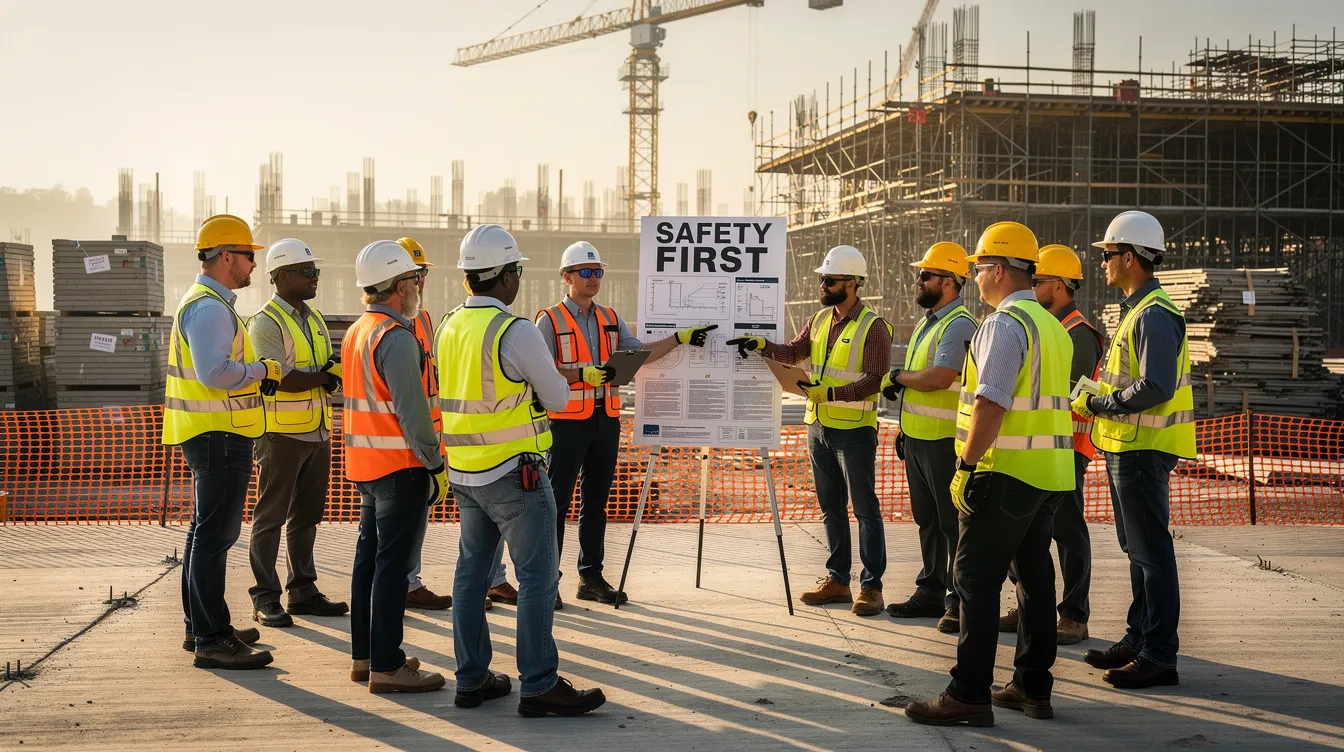
The following steps can be started within 30 days to tighten subcontractor risk controls on current and planned construction projects:
Subcontractor risk management is not a one-time exercise. It is an ongoing effort that must adapt as the economy, customer satisfaction expectations, and project timelines shift. The contractors who tighten these controls now will carry less exposure into 2027.
Engage with ABC Carolinas for risk-focused education, economic briefings, and advocacy updates. Whether through a member roundtable, a safety training program, or a policy briefing in Raleigh or Columbia, the association is your go-to partner for navigating subcontractor risk in a volatile fall economy.
The following questions address common executive concerns not fully covered above.
At minimum, complete a full update annually with current financials, safety records, and workload data. For high-exposure trades or large construction projects, refresh quarterly. When major PPI shifts occur, when Beige Book commentary signals tightening conditions, or when an owner delays a start, trigger an immediate review of any affected subcontractor’s status. The effort of more frequent updates is small compared to the cost of a mid-project default.
Watch for repeated requests for accelerated payments ahead of contractual milestones. Other red flags include difficulty supplying required insurance certificates, slower field progress without clear cause, sudden reluctance to price change orders, or sluggish mobilization. When any of these appear, escalate your review by requesting updated financial statements and verifying that the sub’s surety and insurance coverage remain in force. Identifying these signals early is crucial to protecting project success.
Focus on a few high-impact practices: use a standardized prequalification form for every subcontract, leverage ABC Carolinas education programs and peer group insights, and work closely with your surety and insurance partners who can help evaluate subcontractor strength. Prioritize just three or four key contract clauses (escalation, indemnity, payment, and scope clarity) and apply them consistently. Smaller businesses can achieve strong results without a dedicated risk department by maintaining discipline on these essentials.
Not necessarily. The decision depends on current PPI trends, supplier feedback on lead times and pricing direction, and the project schedule. In some cases, early buyout with clear escalation clauses and stored-material protections can reduce total subcontractor risk, even during volatile periods. In other cases, staggering awards preserves leverage if prices are expected to moderate. The key is matching your buyout timing to verified market data, not assumptions from earlier in the year.
ABC Carolinas publishes economic briefings, backlog reports, and material cost analyses throughout the year. Members can access government affairs communications covering legislative and regulatory developments in both Raleigh and Columbia. Subscribe to ABC Carolinas news updates, attend economic forecast briefings, and participate in member roundtables to stay current on changes that affect money, margin, and subcontractor exposure across the construction industry.


