


The latest Construction Executive September 2026 economic roundup points to a more selective market than the headline numbers suggest. National nonresidential construction spending edged up in July 2026, but Construction Executive reported that the gain came entirely from data center activity. Excluding data centers, nonresidential spending fell for the second straight month.
That distinction matters for contractors in North Carolina and South Carolina. If current growth is concentrated in one project type instead of spreading across the full nonresidential market, executive teams should be more careful about how they read backlog, staffing demand, and margin opportunity heading into year-end.
For firms operating in Charlotte, the Triangle, Upstate South Carolina, and the major Carolinas corridors, the practical question is not whether work exists. It is whether the work your firm is seeing matches the narrow parts of the market that are still moving. That answer should shape pursuit strategy, labor planning, and procurement decisions now.
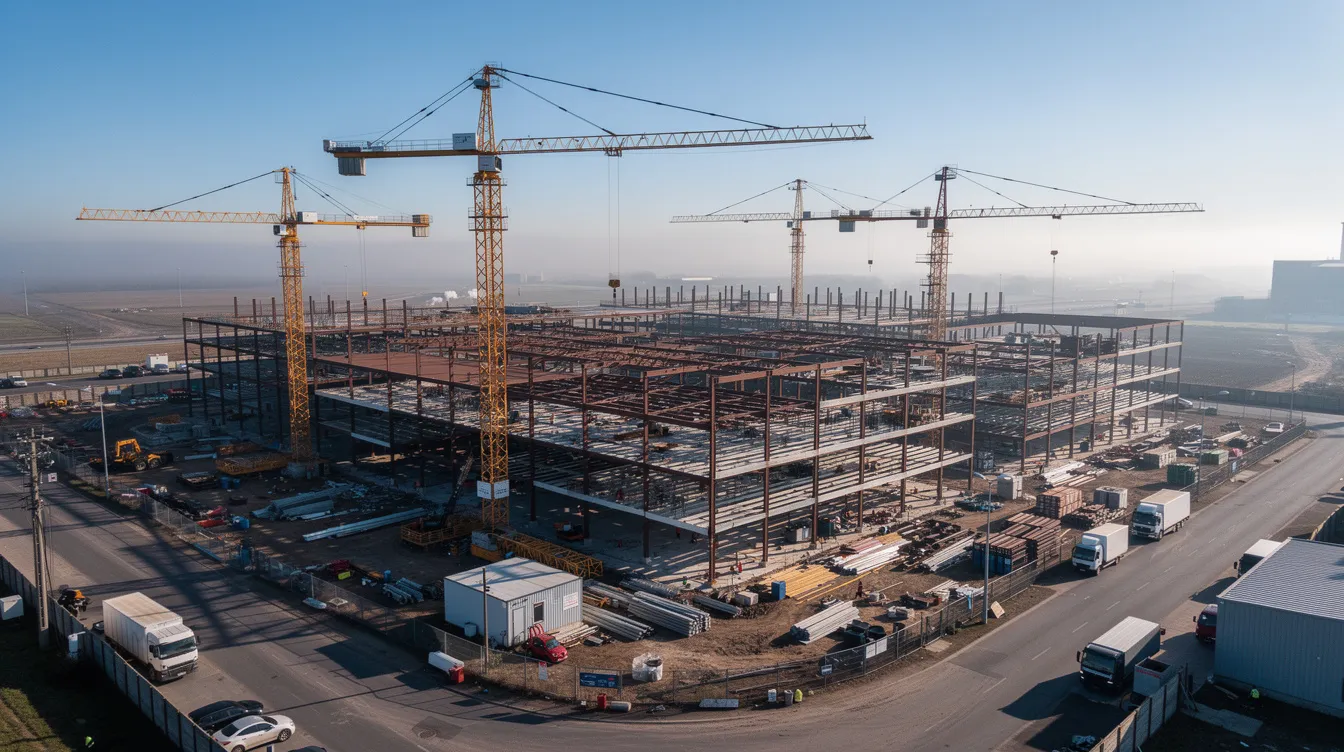
Construction Executive reported that July 2026 nonresidential construction spending rose about 0.1% from the prior month to roughly $1.286 trillion at a seasonally adjusted annual rate. But the more important signal was underneath that headline: data centers carried the increase. Without that segment, nonresidential spending declined again.
That is the core development Carolinas contractors should focus on. A market can look stable in the aggregate while still feeling uneven in day-to-day operations if a narrow set of project types is driving growth. This is one reason national spending data and local opportunity can feel out of sync.
The same roundup also described a market facing multiple headwinds even with data center demand in place: higher borrowing costs, rising input prices, and labor pressure in key trades. In other words, the spending number alone does not describe contractor conditions very well unless you also ask where the work is concentrated and what it costs to deliver it.
Construction Executive also reported that construction input prices rose 1.2% in August 2026 and were up 8.9% over the prior 12 months. The publication specifically noted year-over-year increases above 10% for iron and steel, softwood lumber, switchgear, and copper wire and cable.
Those cost pressures are especially relevant in project categories with heavy electrical and equipment exposure, including data centers and other power-intensive work. Even if project volume remains available, contractors still have to buy out packages, secure long-lead items, and protect margin in a more volatile pricing environment.
Labor signals point in the same direction. The U.S. Bureau of Labor Statistics reported that construction employment changed little in August 2026, with a gain of about 22,000 jobs, while employment in nonresidential specialty trade contractors continued to trend up by about 8,000. That does not indicate a broad hiring boom across every part of nonresidential construction. It does suggest continuing demand in specialized scopes even while other segments remain softer.
Taken together, the message is straightforward: nonresidential construction spending may still look positive on paper, but costs and labor availability continue to make execution selective.
For Carolinas contractors, the national pattern is useful not because it proves every local market is the same, but because it offers a better way to read what your own pipeline is telling you. If a firm is active in mission-critical, large industrial, or power-related work, the market may still feel busy. If a firm depends more heavily on smaller general commercial work, conventional office buildouts, or thinly financed private projects, conditions may look much less favorable.
That is the regional implication executives should test internally. Rather than treating all nonresidential work as one market, separate your backlog and pursuits by segment. A single top-line backlog number may hide the fact that one business line is holding up while another is flattening.
For ABC Carolinas members, this is also where merit shop discipline becomes a competitive advantage. In a selective market, firms that can evaluate work quickly, align labor realistically, and compete without absorbing avoidable contract risk are better positioned than firms chasing volume on outdated assumptions.
Construction Executive’s roundup identified data center construction as the major tailwind supporting current nonresidential activity. ABC National reinforced that point in its September 2026 backlog release, reporting that the Construction Backlog Indicator rebounded to 8.5 months in August and that roughly one in six ABC members was under contract to perform data center work.
That does not mean every Carolinas contractor should pivot toward data centers, and it does not mean that segment is driving all regional demand. It does mean executives should be careful not to read a data-center-led national spending figure as evidence of a broad-based nonresidential rebound.
It also means firms pursuing that work should recognize its operating demands. Large mission-critical projects can tie up leadership, procurement attention, and specialty trades for long stretches. Winning those projects and delivering them profitably are not the same thing.
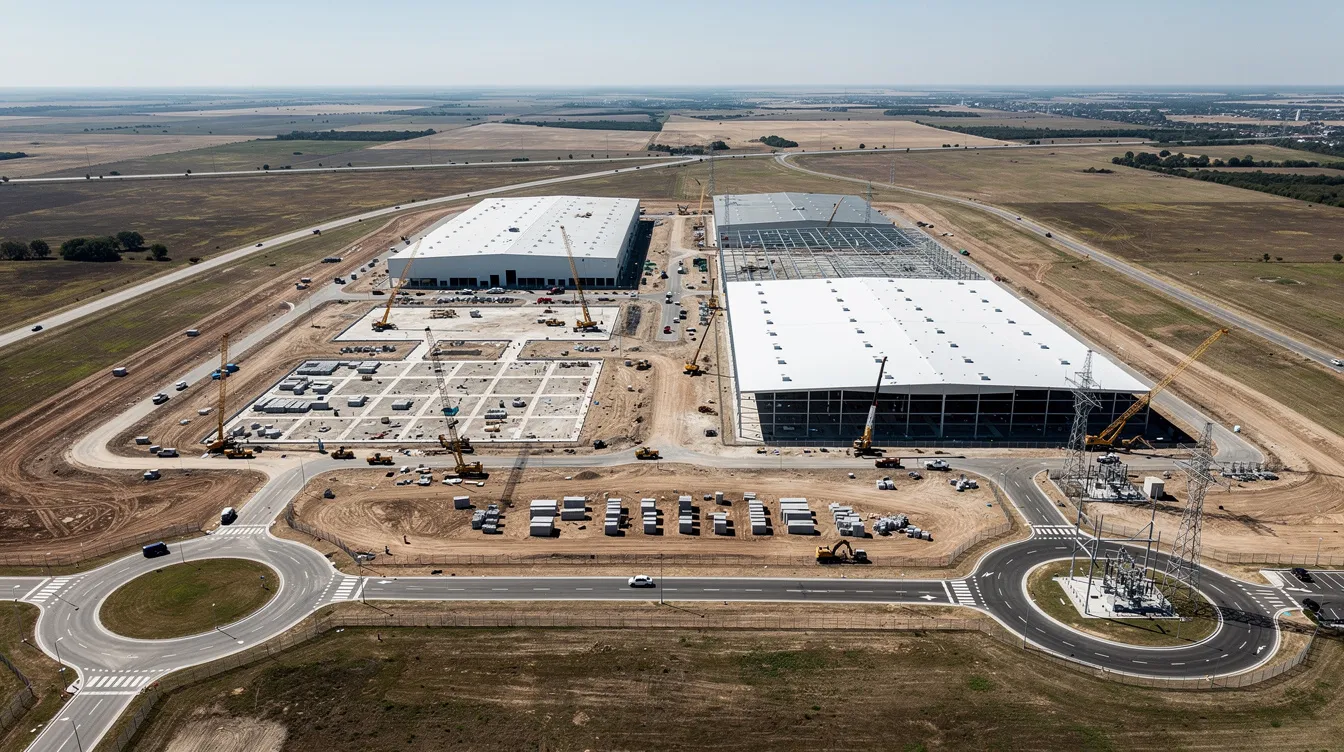
When nonresidential construction spending growth is concentrated, three questions become more important than the headline number itself: what is in your backlog, what will materials cost by buyout, and where are your labor bottlenecks?
ABC’s national backlog reading improved in August, but aggregate backlog should not be confused with healthy backlog at the company level. Review the mix of work by sector, owner quality, contract terms, and expected margin. A full pipeline made up of low-fee or high-risk work is not the same as a strong one.
With input prices rising and several key materials up more than 10% year over year, stale quotes can turn an apparently good award into a difficult buyout. Teams should refresh pricing assumptions, especially on electrical gear, steel-related items, copper-heavy scopes, and other long-lead components that affect schedule and contingency.
BLS hiring data suggests ongoing demand in nonresidential specialty trades even without a broad employment surge. For Carolinas contractors, that should prompt a closer look at whether electricians, mechanical trades, controls specialists, and experienced field leaders are already overcommitted across active and pending jobs.
The practical lesson from this nonresidential construction spending report is not to freeze. It is to be more selective. If a narrow set of projects is driving market strength, a broad “chase everything” approach can expose firms to pricing errors, financing risk, and staffing strain.
In planning meetings, Carolina’s executive teams should ask:
Those questions keep the article’s central subject where it belongs: translating a narrow national spending gain into better go/no-go decisions.
The August employment data reminds us that labor demand can stay tight in certain specialties even when overall growth is modest. That is why staffing plans should tie to the firm’s real backlog by segment rather than a generalized assumption that nonresidential construction is broadly expanding.
For some contractors, that may mean holding the line on hiring in softer segments while investing more in the trades and field leadership roles that support higher-confidence work. For others, it may mean cross-training, succession planning, or more disciplined scheduling before taking on another complex pursuit.
ABC Carolinas offers workforce development resources and apprenticeship and craft education programs that can help members build labor capacity over time. That is not a short-term fix for a selective market, but it is a practical long-term response to recurring trade pressure.
Use this short review in your next executive or preconstruction meeting.
Market reality
Execution risk
Labor fit
If this review shows concentration risk in more than one area, tighten pursuit filters, recheck pricing, or phase staffing more carefully rather than assuming the overall market will cover weak decisions.

The main takeaway from the September 2026 national data is not that nonresidential construction spending is collapsing. It is that current momentum appears narrower than the headline suggests, with data centers doing much of the lifting while input costs and specialty-trade pressure remain real.
That is exactly the kind of market signal Carolinas contractors should discuss with peers and leadership teams now. ABC Carolinas supports those decisions through regional industry updates, workforce programs, and member connections that help firms compare what they are seeing across North Carolina and South Carolina. Members can follow the chapter’s news and market updates for ongoing construction intelligence and practical takeaways.
For executives, the next step is simple: break your backlog and pursuits into segments, recheck your materials and labor assumptions, and make sure your 2026 and early 2027 strategy reflects where demand is actually concentrated. In a market this selective, accurate reading beats broad optimism.


