


The mission-critical construction workforce in the Carolinas is being reshaped by rapid growth in AI infrastructure and data centers. Contractors in North Carolina and South Carolina are already competing harder for experienced field leaders, electricians, MEP specialists, and commissioning talent as more mission-critical work enters the market.
This article is an executive briefing on what that shift means for staffing, project selection, and long-term workforce strategy across the Carolinas. Data center projects are schedule-sensitive, power-intensive facilities that demand proven execution in electrical, mechanical, controls, and commissioning scopes. When experienced people move into those projects, the gap they leave behind is not just a headcount problem. It is a capability problem.
National labor signals reinforce the pressure. According to Associated Builders and Contractors, backlog rebounded to 8.5 months in August 2026, and ABC said about 1 in 6 members performs data center work. At the same time, U.S. Bureau of Labor Statistics data showed 251,000 construction job openings in August 2026. For Carolinas executives, the core decision is straightforward but difficult: how to pursue data center opportunity without hollowing out the rest of the portfolio or compromising safety, schedule, and client relationships.
A mission-critical construction workforce is defined by the environments it builds and supports. Data centers, hospitals, and power-related facilities all require high-reliability delivery because downtime is costly and mistakes are hard to absorb. But the current wave of AI-driven data center construction adds a new level of labor pressure because these facilities combine fast schedules, large capital budgets, and demanding coordination requirements.
For contractors, the practical difference is not just that data centers are growing. They concentrate demand around a narrow band of experienced people: senior superintendents, project executives, lead electricians, controls specialists, QA/QC leaders, and commissioning professionals. These are many of the same people commercial, healthcare, industrial, and institutional projects also rely on.
The Carolinas are part of that broader buildout. ABC Carolinas has already covered North Carolina data center growth and the way it is changing construction demand across the region. In markets such as Charlotte, the Triangle, and parts of the I-85 and I-77 corridors, contractors do not need a perfect project count to recognize what is happening. More mission-critical work is competing for the same supervision and specialty trade capacity the rest of the market still needs.
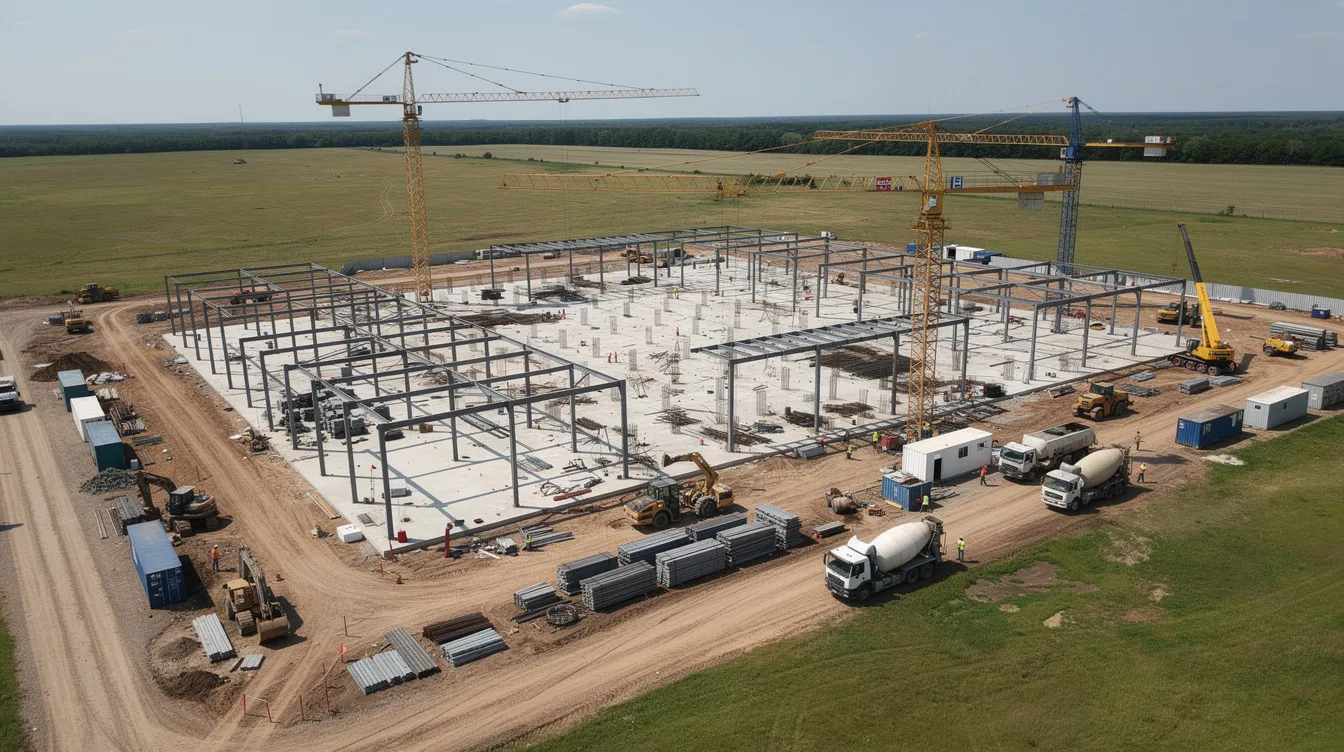
ABC’s Construction Backlog Indicator is a forward-looking measure of work under contract, not current activity. In its August 2026 release, ABC reported that backlog rose to 8.5 months and said contractors involved in data center work carried more backlog on average than those without that exposure. That matters because it signals not just demand, but duration. Mission-critical projects can keep people committed for longer stretches than many standard commercial jobs.
Federal labor data shows the hiring challenge underneath that demand. BLS reported 251,000 construction job openings in August 2026. That is below July’s level, but it still points to a market where contractors have significant difficulty finding enough qualified people.
For Carolinas contractors, those national readings matter because they translate into local operating pressure. When pipelines are already full, one additional mission-critical award can stretch supervision depth and specialty trades to the point where quality and schedule become harder to protect. That is why job openings in construction and backlog should be read together, not separately.
The data center labor shortage is not abstract. It shows up when high-profile, well-funded projects attract experienced project managers, superintendents, foremen, and electricians away from healthcare, education, manufacturing, distribution, and commercial work. The draw is easy to understand: premium compensation, high visibility, and a multi-phase pipeline that can look more secure than ordinary project-by-project work.
The deeper problem is that this movement does not create new senior talent. It redistributes existing talent. Construction Executive captured that issue directly in its October 27, 2026 article, noting that mission-critical construction is moving quickly and labor demand is stripping capability from the rest of the sector.
That is why the challenge should be framed as capability loss, not simply labor scarcity. Replacing an experienced lead electrical foreman, superintendent, or commissioning lead is rarely a one-for-one staffing exercise. A replacement may fill the role on paper while still lacking the judgment that keeps sequencing, turnover, and risk under control.
In the Carolinas, this pressure is most visible in and around the major growth corridors, but the effects travel outward. A contractor in a smaller market may not be chasing data center work directly and still feel the consequences when trusted trade partners are booked solid or when recruiters target the company’s most experienced field leaders.
The roles under the greatest pressure are the same roles that anchor complex work across multiple sectors. Executives should pay closest attention to positions that combine technical depth with field judgment and coordination authority.
These roles are hard to replace quickly because they are built through years of jobsite exposure, not just a title change. Carolinas contractors should inventory which of their own people fit this profile and assess how much bench strength they actually have behind them.
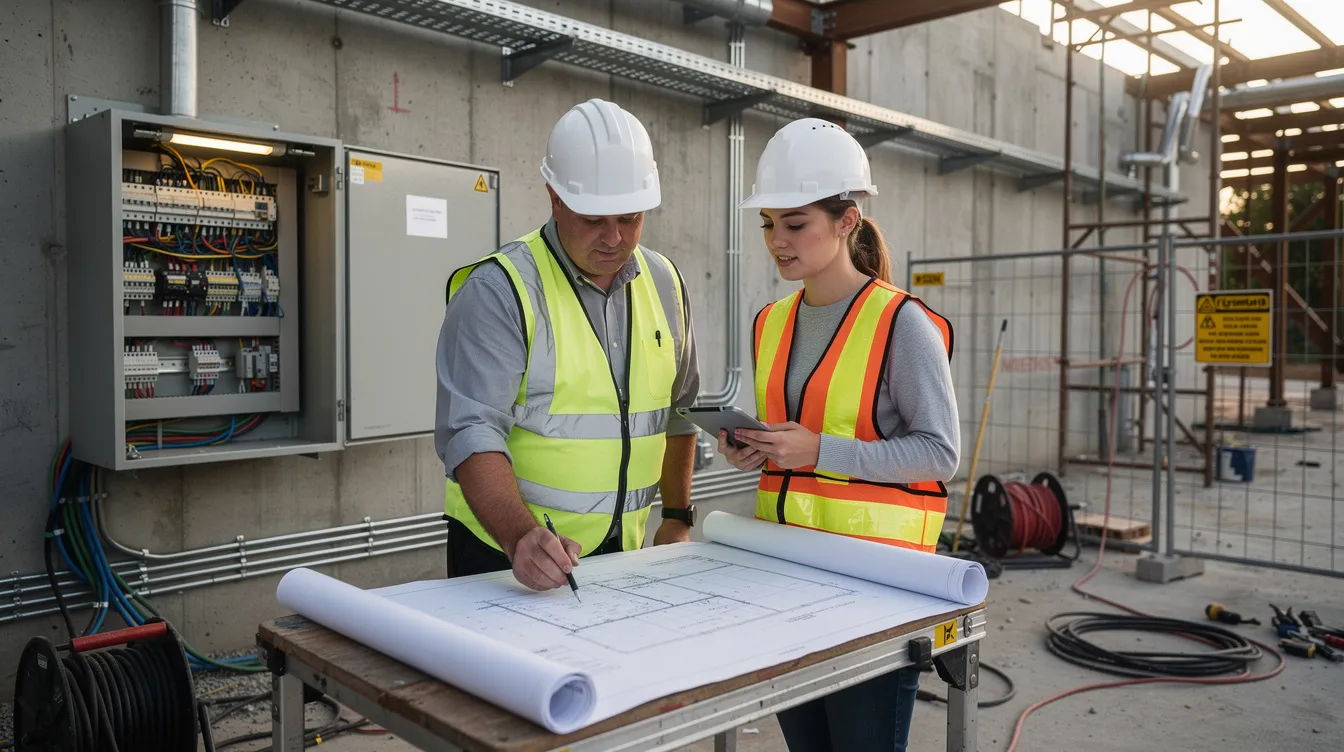
Chasing every mission-critical opportunity can weaken a contractor’s ability to deliver the rest of its work on time, on budget, and safely. The labor squeeze is not confined to recruitment. It is a portfolio management issue.
When top people are reassigned to data center work, the ripple effects often appear elsewhere first: fewer site walks by senior leaders, slower decisions, weaker trade coordination, more rework risk, and more stress on the people who remain. Long-standing clients in education, healthcare, municipal, or industrial markets may not care why a contractor’s bench got thinner. They care whether their project still gets the same level of execution.
This is where construction workforce management becomes a strategic discipline, not an HR function. Contractors need visibility into who is committed where, which roles are genuinely scarce, and what new pursuit would require in backfill, training, or schedule tradeoffs.
The mistake is assuming that a stronger backlog automatically means a stronger business. If the backlog depends on a few overextended leaders or the same limited specialty trades, growth can increase exposure faster than it increases profit.
Carolinas contractors can pursue data center work without destabilizing the rest of their operations, but only if they make deliberate choices about talent allocation.
Start by segmenting the workforce into three groups: core mission-critical leaders, broader field leadership, and developing talent. Then define guardrails around reassignment. A company does not need a perfect formula, but it does need explicit limits on how much senior supervision, electrical leadership, or commissioning bandwidth it can pull into one project type at a time.
Next, qualify data center pursuits not only on revenue and margin, but also on portfolio impact. Ask what the award would require in people, what existing work would lose capacity, and which long-term clients would feel that loss. In this market, a disciplined no-bid can be as strategic as a win.
Operational basics also matter more in a tight labor environment. Forecasting, resource loading, foreman development, and real-time visibility into crew utilization can help leadership identify gaps before they become project failures. ABC Carolinas members looking for a broader labor context can connect this issue back to the region’s construction industry labor shortage challenge.
The long-term answer is not simply paying more for the same finite pool of experienced people. It is building more qualified people over time.
That means investing in apprenticeship, craft education, foreman development, and internal progression for workers who can eventually step into more technical or supervisory roles. It also means developing recruiting and retention systems that reach beyond the same familiar labor sources. For electricians alone, BLS projects about 72,700 openings per year on average over 2025 to 2035, underscoring how much replacement and growth pressure still lies ahead.
Construction hiring in the Carolinas will stay difficult if every firm waits for the open market to solve the problem. Contractors that build their own bench through apprenticeship and leadership development will be in a stronger position than those relying only on recruiting premiums.
For ABC Carolinas members, this is where chapter resources become practical, not abstract. Workforce development programs, apprenticeship pathways, and peer conversations can help firms expand capacity instead of just trading talent back and forth across the market.
The pressure is not evenly distributed. Charlotte, the Triangle, and parts of Upstate South Carolina are likely to feel it most directly because those markets are tied more closely to large industrial, technology, and infrastructure activity. But smaller markets can still feel the second-order effects through subcontractor availability, recruiter activity, and thinner regional leadership benches.
That is why executives should map mission-critical exposure against office locations, travel expectations, and labor pools. A single large project in one corridor can affect multiple offices if the same superintendents, foremen, or trade specialists are shared across the company.
Regional planning matters most when it is specific: which office is vulnerable, which role is hardest to backfill, which subcontractor relationships are becoming constrained, and which clients would feel the impact first if talent moves. That level of visibility is more useful than broad regional optimism.
Labor pressure from mission-critical work affects more than capacity. It can also change safety and quality outcomes when less-experienced leaders are asked to manage demanding work with less support.
When supervisors and foremen are overextended, near-misses, missed coordination, and rework become more likely. On data center projects, that can create obvious execution risk. On non-data-center projects, it can quietly erode performance until a client, insurer, or regulator notices the difference.
That is one reason contractors should treat experienced safety leadership and competent supervision as non-negotiable when reallocating staff. Every job still needs adequate oversight before reassigning key people. ABC Carolinas has already addressed related issues in its coverage of data center construction safety, and the same principle applies here: growth is only valuable if execution remains controlled.
Data center demand is reshaping the mission-critical construction workforce across the Carolinas. Contractors that treat talent allocation as a strategic decision, rather than a reactive hiring problem, will be better positioned to pursue opportunity without weakening the rest of the business.
In the next 30 to 90 days, Carolinas executives should:
The room for reactive hiring is shrinking. For many contractors, the real advantage now isn’t just winning data center work. It is building enough capacity to win it without sacrificing the rest of the portfolio.


