


The construction industry just sent another signal that Carolinas contractors cannot afford to ignore. Job openings in the construction industry hit a fresh high in June, and behind the headlines sit real operational risks for firms competing for electricians, foremen, and heavy equipment operators across Charlotte, the Triangle, and Upstate South Carolina. This brief breaks down what the data means, where the pressure is building, and what you should do about it in the next 30 days.
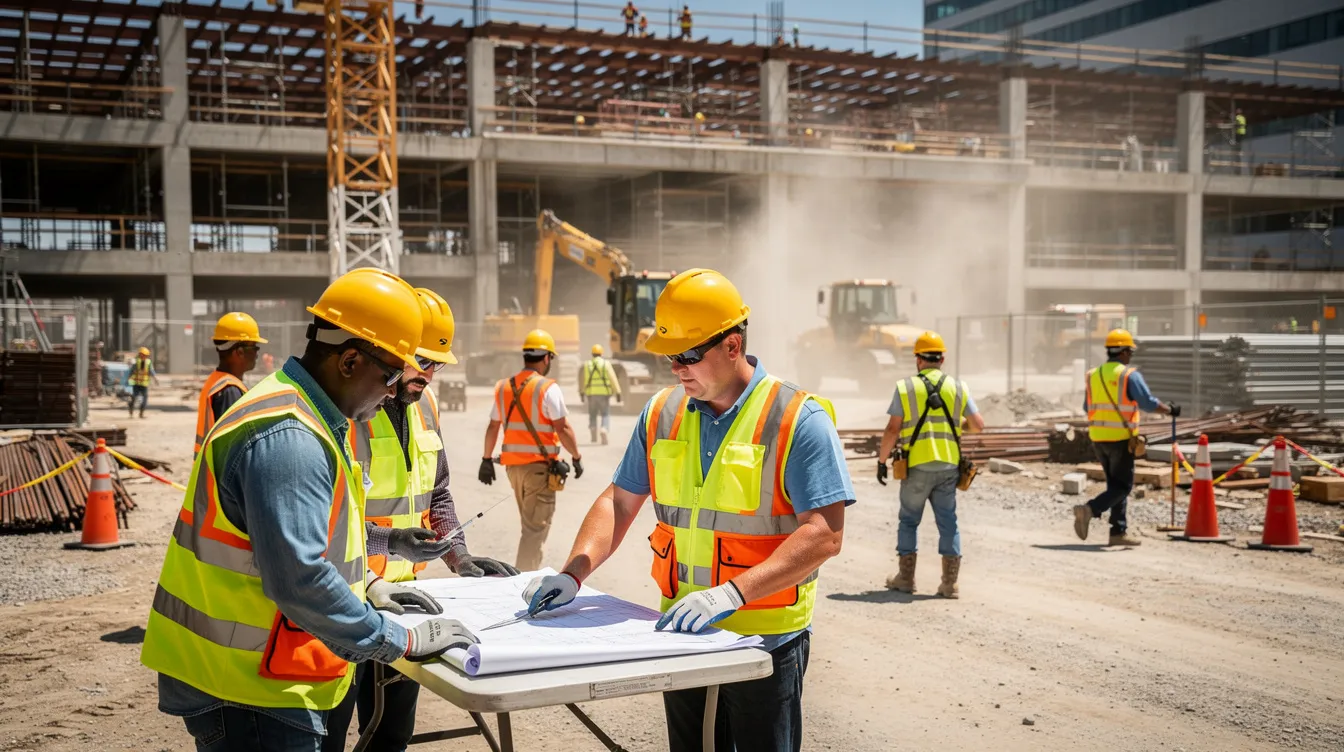
Open construction positions exceed 300,000 nationally according to the U.S. Bureau of Labor Statistics. Specifically, Associated Builders and Contractors reported that an analysis of BLS JOLTS data showed approximately 305,000 job openings in construction on the last day of June – an increase of roughly 14,000 from May and 81,000 higher than a year earlier, as reported by Construction Executive. The construction industry shows strong demand for hundreds of thousands of new workers in the U.S., and the Carolinas are no exception.
ABC Chief Economist Anirban Basu cautioned that this surge in openings may reflect not only expanding demand but also retirements, slower hiring rates, and the possible departure of undocumented labor from the workforce. For contractors in North Carolina and South Carolina, the immediate takeaway is clear: the labor market is tightening, and waiting to act is the most expensive option.
Your 30-day CTA: Launch or commit to one apprentice recruitment cohort through ABC Carolinas before the current enrollment window closes, targeting your hardest-to-fill trades with structured on-the-job training and classroom instruction.
The BLS JOLTS survey defines a job opening as any unfilled position for which an employer is actively recruiting. When that number climbs month after month, it means companies are trying to hire and struggling to close. In May, construction openings stood at roughly 298,000 before jumping to 305,000 in June. Those are not just posted listings – they represent active, funded positions going unfilled.
Construction job openings include roles in entry-level labor, skilled trades, and project management. Industry groups report a persistent labor shortage in the construction sector, and the numbers confirm it. Over 500,000 additional workers are needed in U.S. construction to meet current and projected demand. The construction sector must attract hundreds of thousands of net new workers to keep pace with demand driven by infrastructure bills, data center build-outs, and commercial expansion.
For Carolinas contractors, this matters because rising openings translate directly to delayed backlog execution. When key roles sit empty for weeks, construction projects fall behind, costs climb, and safety risk increases. In May alone, specialty trades employment grew by 11,400 jobs nationally, civil engineering added 2,600, and nonresidential building gained 1,700 – yet the openings keep climbing. Demand is outpacing the available workforce.
National data only tells part of the story. Here is how rising openings land across the Carolinas’ most active markets.
Charlotte and the I-77/I-85 Corridor
High demand exists for project managers, electricians, plumbers, and heavy equipment operators in construction – and Charlotte sits at the center of one of the Southeast’s most aggressive commercial and industrial growth zones. Data center corridors along I-85 and I-77 are absorbing specialized electrical and mechanical talent at a pace that pushes wages upward and pulls experienced foremen away from smaller firms. Contractors here face elevated competition from national firms willing to pay travel premiums.
The Triangle and NC Data Center Corridor
Raleigh-Durham-Chapel Hill continues to expand in institutional, infrastructure, and high-tech sectors. The construction job market features high demand for specialized talent, and the Triangle’s pipeline of community college and apprentice graduates may not be keeping up. Supervisory roles – foremen, site managers – are bottlenecks that can stall entire workflows when unfilled.
Upstate South Carolina
Greenville-Spartanburg and surrounding markets are growing in manufacturing and industrial expansion. While individual projects may be smaller, experienced craft workers are harder to attract when competing markets offer premium pay. National trade shortages mean fewer traveling crews willing to commit to Upstate jobs without incentives.
Sector divergence exists as nonresidential segments expand while traditional sectors face challenges. Compensation growth is driven by labor scarcity in the construction industry, with national average hourly earnings rising approximately 4.4 percent year-over-year. Job-changers in construction experience some of the sharpest year-over-year pay gains across all major industries, which means your best employees are being recruited right now. Higher labor costs are a result of increased demand for skilled labor, and every week a critical role sits open adds cost to your projects and pressure to your remaining crews.
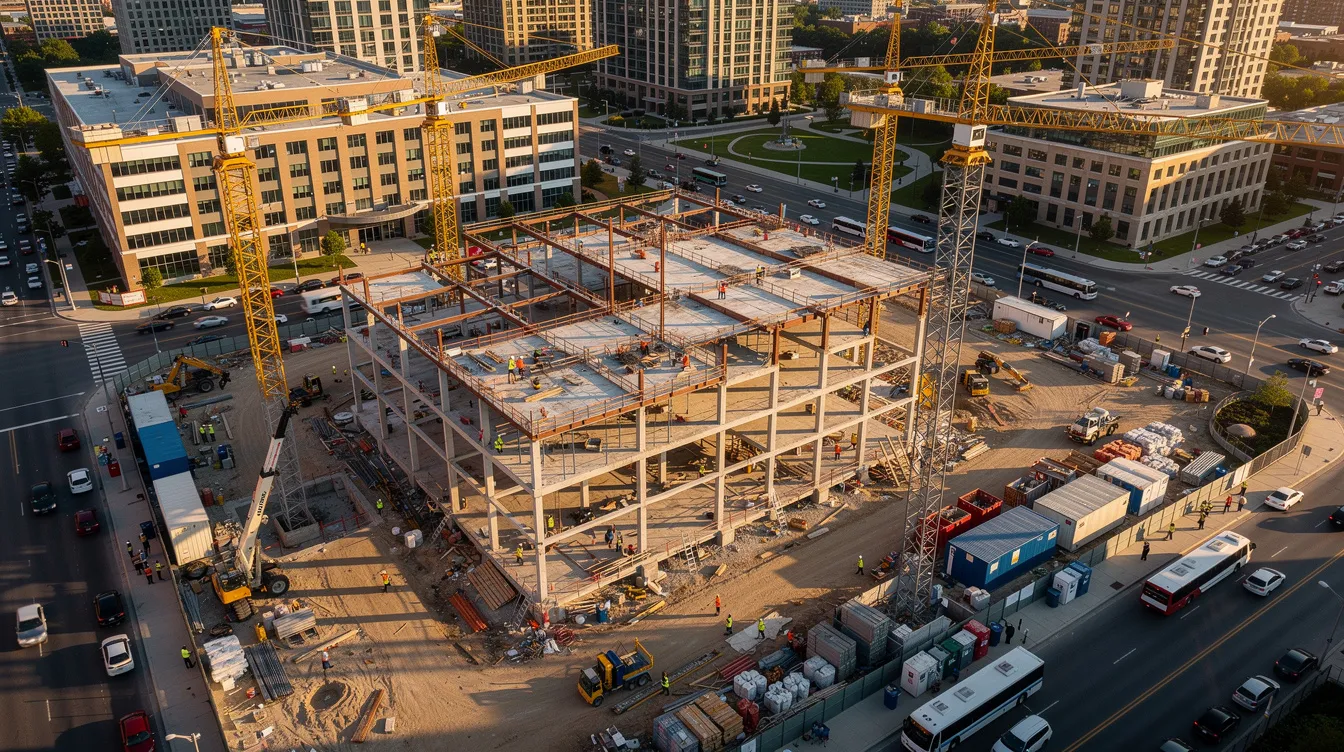
The hardest roles to fill are not entry-level positions. They are experienced tradespeople – electricians, HVAC technicians, plumbers, heavy equipment operators, concrete finishers – and especially foremen and site supervisors who carry both technical skill and leadership judgment. ABC Carolinas has reported fill times of six to ten weeks for experienced roles versus two to four weeks for entry-level positions. That gap represents real schedule risk.
The construction industry faces a wave of retirements from experienced workers. One in five construction employees is 55 years or older, and in several Carolinas trades, roughly 41 percent of current workers are at or nearing retirement. When they leave, they take decades of institutional knowledge – sequencing, quality judgment, safety instincts – that cannot be replaced by a job listing.
Project delays are increasing due to a shrinking pool of skilled workers. Seventy percent of Ohio firms report delays due to workforce shortages, and Carolinas contractors are seeing similar patterns. The U.S. construction industry needs over 500,000 additional workers, and the majority of that need is driven by replacement demand stacked on top of growth demand.
Filling a seat and filling a skilled role are fundamentally different problems. Construction job markets vary by specialization, including craft trades and management roles. Even when candidates are available, they may lack the specific credentials – journeyman-level licensure, data center experience, BIM familiarity, or advanced safety certifications – that the role requires.
Demand for skilled trades professionals is escalating due to ongoing sustainability initiatives in construction, which add complexity to already specialized scopes. Rather than tracking aggregate openings, contractors should measure role-specific vacancy durations. How long has that journeyman electrician position been open? How many weeks has your site supervisor search been running? Those numbers reveal your true exposure.
ABC Carolinas estimates that the region needs 349,000 new construction workers in 2026, including replacements, to meet demand. That number accounts for both growth and the expanding retirement wave.
Any honest assessment of construction workforce pressure must acknowledge the role of immigrant labor. Foreign-born workers make up approximately 37 percent of North Carolina’s construction employment, according to NC Commerce data. Enforcement actions and immigration policy shifts have already created disruptions: in Raleigh, construction sites reported roughly 200 worker no-shows during recent ICE operation periods, costing projects tens of thousands of dollars in lost productivity.
Contractors who rely heavily on undocumented labor face legal, schedule, safety, and reputational risk. Before asserting causes for workforce gaps on any specific project, firms should source local evidence and verify their own exposure. The practical response is to strengthen legal hiring pipelines, invest in apprenticeship programs, and ensure I-9 and E-Verify compliance across all subcontractor relationships.
Persistent openings demand operational changes, not just more job postings. Here are five moves to make now:

The external labor market cannot solve this problem alone. Apprenticeship programs combine hands-on learning with classroom education, building skilled workers from the ground up. Merit shop apprenticeship blends classroom instruction with on-the-job training, and ABC Carolinas runs a registered four-year program with structured classroom sessions coupled with paid field placement through member companies.
Merit shop training blends classroom instruction with on-the-job training in a model that produces not just entry-level labor but future site leadership. Apprentices earn more money as they progress based on skills, with wage steps tied to demonstrated competency benchmarks. ABC Carolinas reports approximately 85 percent completion rates among apprentices, and in 2025, roughly 70 percent of foreman roles were filled from internal pipelines – former apprentices who advanced through real-world experience and professional development.
Construction companies can partner with local schools to expand programs, connecting high school students and community college students to construction careers before they enter the broader job market. Employer-paid craft training cohorts that cover licensure, specialty training, and safety certifications help retain talent and accelerate progression. National apprenticeship act reform at the federal level may unlock additional funding and support for scaling these programs in the Carolinas.
For firms serious about reducing their exposure to workforce shortages, investing in technical education and apprenticeship is not a long-term aspiration – it is an immediate operational decision.
When openings persist, the job site does not wait. Contractors need operational tactics to protect schedules:
The following five actions can be completed within 30 days. Each one is designed to strengthen your position against rising openings and tightening labor competition.
The mid-year 2026 construction economic forecast signals continued demand pressure across the Carolinas. Monitor policy and labor-market updates from Raleigh and Columbia – particularly around immigration enforcement, apprenticeship funding, and permitting reform – to manage risk and seize opportunities as conditions evolve.
Rising construction industry openings are not abstract economics. They are the gap between your backlog and your ability to execute it. The contractors who respond with speed – tightening hiring, strengthening retention, and investing in apprenticeship pipelines – will be the ones running full crews and delivering on schedule. The ones who wait will pay more and deliver less.
Join ABC Carolinas in building the workforce the Carolinas construction sector demands. Start with one action this week: enroll an apprentice, audit your open roles, or connect with a member peer group focused on hiring. The future of your operations depends on what you do now.


