


The construction industry across North Carolina and South Carolina is facing a new kind of pressure, and it is not just the familiar labor shortage challenge. The data center boom is intensifying competition for electricians, foremen, mission-critical specialists, and field leaders in ways that reshape staffing decisions across every project type.
The U.S. construction industry faces a shortage of hundreds of thousands of skilled workers, and data centers face a severe skilled-labor shortage on top of it. Nationally, 78% of contractors reported some form of labor shortage, and over 70% reported labor shortages specifically tied to data centers. These numbers are not abstract for Carolinas executives: they show up as thinning bid lists, longer recruiting timelines, and supervisors stretched across too many active projects.
The core issue is labor reallocation, not just general scarcity. The same limited pool of licensed electricians, experienced foremen, superintendents, and commissioning specialists that Carolinas contractors depend on is now being pulled toward data center campuses and away from healthcare, institutional, industrial, and commercial work. This article will show which roles are most exposed, how that shift affects regional construction employment, how non-data-center projects lose ground, and the immediate step leaders should take: review staffing exposure, identify at-risk positions, and engage workforce development resources before the bench gets any thinner.
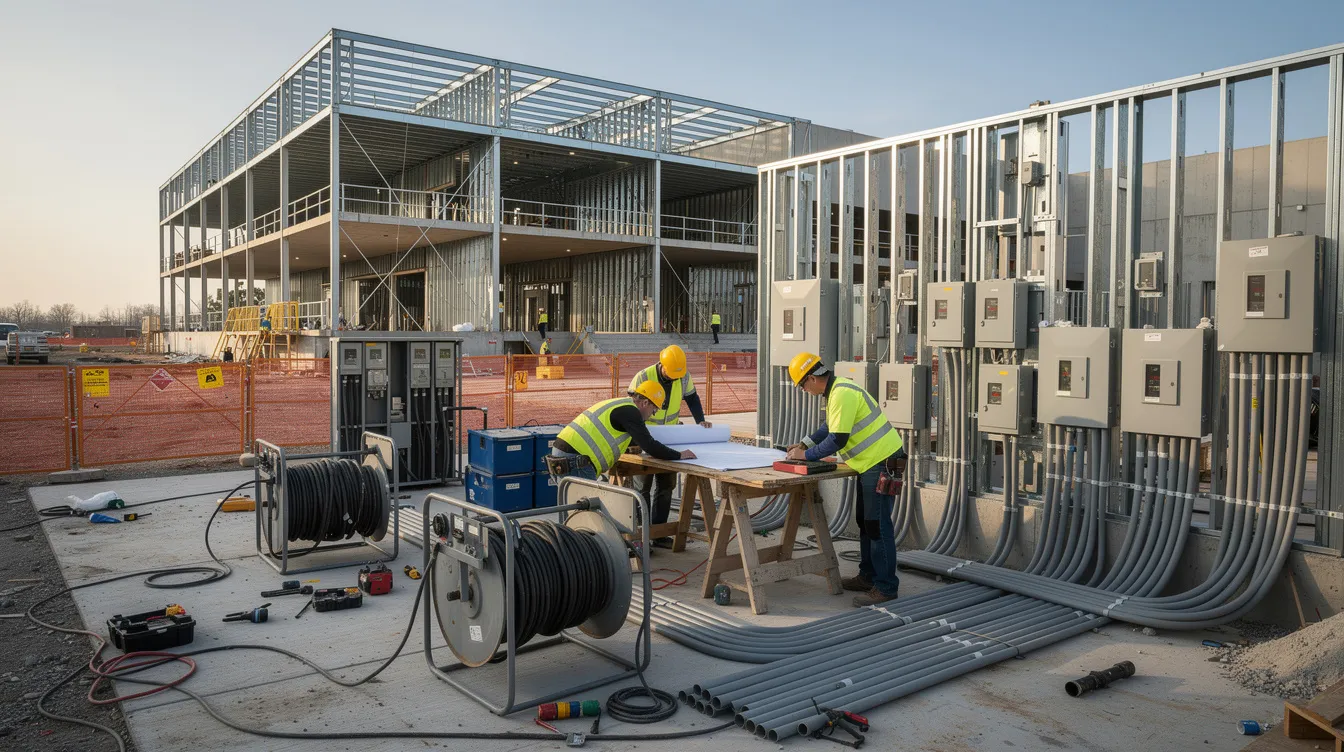
National construction demand remains strong even as macroeconomic uncertainty persists. ABC projects the construction industry must attract roughly 349,000 net new workers in 2026 to maintain current output, and the COVID-19 pandemic worsened workforce shortages in technical fields that still have not recovered. Data center construction has surged due to artificial intelligence and cloud computing, and the industry needs nearly 100GW of new capacity by 2030 to keep pace with growth in data storage, machine learning workloads, and digital infrastructure.
Job postings for data center construction roles have more than doubled recently, and data center construction jobs are projected to exceed 180,000 positions nationally. Data center projects require complex technical specifications and specialized labor, including high-amp power distribution, dense MEP systems, redundancy, controls integration, and commissioning under tight tolerances. The demand for skilled trades in construction is rising with the data center boom in ways that set this wave apart from typical commercial building cycles.
Owners and hyperscalers are compressing schedules, aggressively phasing delivery, and paying premiums to secure crews. Along the I-85 and I-77 corridors and in markets like Charlotte and the Triangle, that willingness to pay more and move faster intensifies competition for the same construction workforce every Carolinas contractor depends on. The evolving construction backlog in the Carolinas shows just how deeply project pipelines have shifted toward mission-critical work.
Data center construction does not pull evenly across all trades. It concentrates demand in a few high-impact roles that are already in short supply, creating bottlenecks that ripple through every other project type.
Data centers create localized job spikes in regions with extensive construction activity, and traditional hiring alone can’t replace these roles because they require years of hands-on field experience.
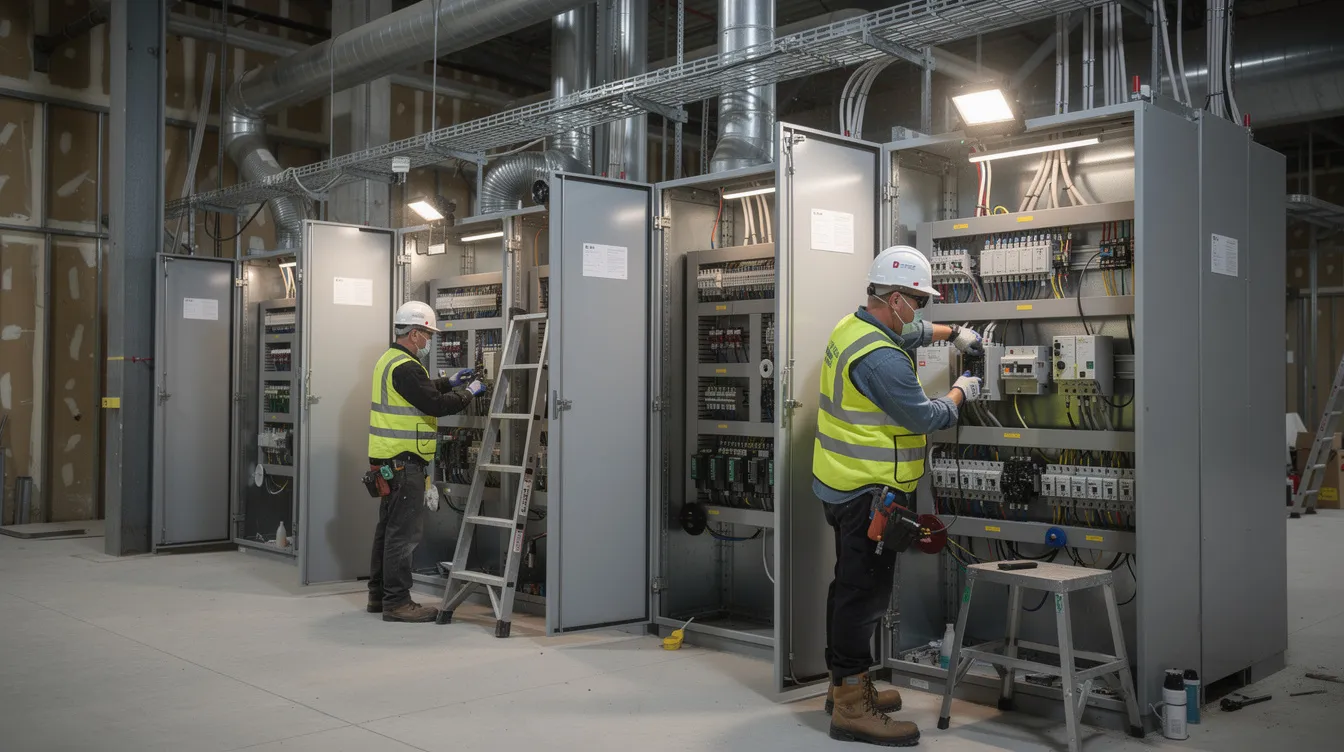
Hospitals, manufacturing plants, K-12 schools, universities, and municipal infrastructure projects across the Carolinas are now competing with data centers for the same electricians, MEP trades, and field leaders. The construction boom strains regional labor pools in areas of high data center activity, and the effects are practical and immediate.
Over 70% of contractors reported tightening capacity for data center projects, which means fewer subcontractor bids on non-data-center work, longer recruitment cycles, and inflated pricing from subs whose best crews are already committed. Employers are increasingly hiring from adjacent sectors, industries, and service roles to fill labor gaps, but workers pulled from those pipelines often lack the mission-critical knowledge that experienced construction personnel bring.
Consider a hypothetical scenario: a regional hospital issues a bid for a major expansion, but electrical subcontractors with qualified workers and experienced foremen are tied up on multi-phase data center campuses. The hospital owner must accept higher quotes, delay execution, or accept less experienced supervision. In another scenario, a school district’s renovation loses its assigned foreman to a data center build. Even with a replacement, the thinner supervision increases the risk of coordination problems, rework, and schedule slips.
These staffing gaps directly affect bid strategy. Some firms are declining work in one sector to keep crews focused, or selectively pursuing only projects that justify tying up mission-critical talent. This reallocation compounds the broader labor shortage challenge Carolinas contractors have faced for years, with data centers driving a new layer of pressure.
The Carolinas sit at the intersection of strong population growth, pro-business policy, favorable power and infrastructure, and major digital investment. That combination concentrates data center and broader commercial work in a shared labor pool across North Carolina and South Carolina.
Charlotte and its surrounding counties illustrate the problem clearly. Industrial, office, healthcare, and data center projects all compete for the same subcontractor base and construction workforce. Utility forecasts project about 6 GW of incremental demand by 2035 from data center growth alone, translating into years of sustained electrical, mechanical, and site development work competing for every available crew.
The Triangle (Raleigh, Durham, Chapel Hill) faces parallel pressure. Tech campuses, life sciences facilities, and data centers are active at the same time, tightening craft and supervision availability across the region. Active projects range from large campus builds to smaller data hall upfits, each generating demand for electricians, controls technicians, and field leaders.
Upstate South Carolina and key interstate corridors (I-85, I-77, I-95) add another layer. These logistics and manufacturing corridors now host data centers too, pulling trade partners toward Charlotte or North Carolina projects and creating workforce shortages even in markets that are not primary data center hubs. Ongoing North Carolina data center growth is well documented, but the structural pattern matters most: shared trades, shared subcontractors, and finite local training pipelines across both states.
As data center owners and prime contractors compete for scarce talent, compensation adjusts. Data center construction jobs pay about 32% more than standard construction work, and experts predict significant wage growth for specialized tradespeople as demand continues to rise. Competitive salaries are crucial for retaining skilled workers, and firms that ignore this reality will lose their best people.
In practice, higher wages and overtime on data center jobs draw electricians, foremen, and project managers away from other commercial or institutional work. Career growth opportunities significantly support long-term careers in mission-critical construction, and mentorship programs improve employee retention rates in data centers, giving those employers an additional edge in keeping the people they recruit. The result is occupational mobility that hollows out organizations that do not respond.
The operational risk is real. When too many experienced leaders move to data center work, non-data-center projects end up with thinner supervision, less rigorous quality control, and greater safety exposure. Flexible work arrangements help reduce employee burnout in data centers, and work-life balance initiatives are essential for retaining construction workers in any sector. Many Carolinas contractors are differentiating through safety culture, schedule stability, leadership paths, and development opportunities, recognizing that compensation alone cannot always match data center premiums. The firms that retain talent through a combination of competitive wages, stable careers, career development, and culture will protect their ability to deliver across all project types.
The central decision for executives is how to capture profitable data center work without undermining existing healthcare, industrial, infrastructure, and commercial commitments. Construction companies are increasing smart technology use to improve productivity, and the rate of nonfatal construction injuries dropped to 2.5 per 100 employees, showing the industry can adopt emerging technologies and improve operations at the same time. The same discipline applies to workforce allocation.
A practical framework for portfolio planning starts with three steps. First, map current and forecasted data center commitments against available construction workforce, identifying where critical roles are already stretched. Second, stress-test other active projects for coverage of essential positions: if a key foreman or superintendent were reassigned, what happens to schedule, compliance, and safety on the remaining work? Third, set guardrails on how much senior, mission-critical talent can be allocated to any single vertical, and enforce them at the pursuit stage.
Labor capacity should be a formal evaluation factor alongside revenue, margin, and client relationship when pursuing large or fast-track data center projects. Scenario-plan for delayed starts, overlapping phases, or owner-driven acceleration, and identify where those changes would pull supervisors or trades from other jobs. Some Carolinas firms may benefit from partnering or joint venturing on very large data centers to share specialized labor and avoid overextending individual crews. The market rewards firms that grow deliberately, not firms that chase every opportunity and spread their best people too thin.
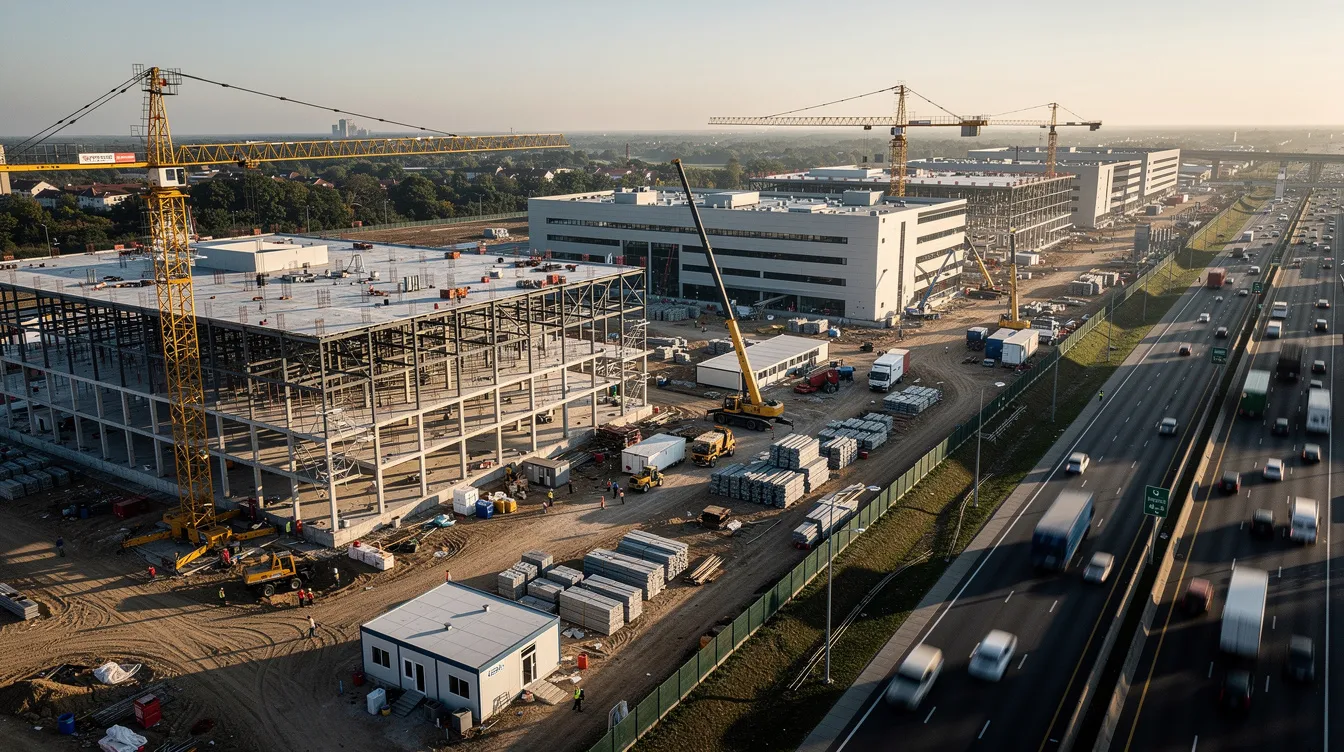
Long-term resilience in a data-center-driven market depends on expanding the construction workforce pipeline, not only winning the current recruiting contest. The industry’s future workforce must be larger, more technically capable, and developed through structured training rather than poaching alone.
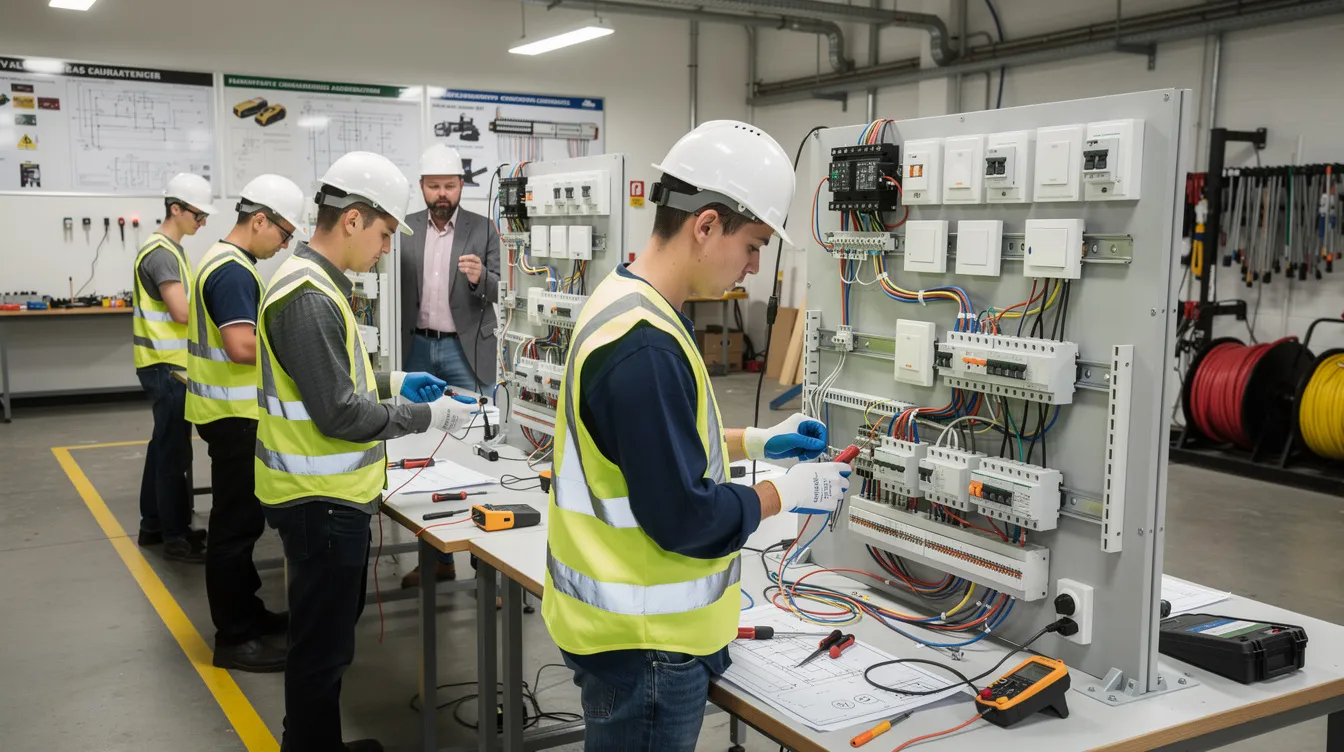
Apprenticeship programs are being established to build workforce skills, and construction companies are investing in training and apprenticeship programs at increasing rates. Data center operators invest in training and certification programs to keep pace with demand, and partnerships with technical colleges develop specialized coursework that prepares workers for mission-critical environments. Online learning platforms provide remote training opportunities that supplement field education, and apprenticeships help workers build the expertise needed for data centers and other complex projects. Training programs are essential for managing complex data center environments where redundancy, security, and precision are non-negotiable.
Governments are implementing tax incentives for workforce training and introducing grants to support employee development initiatives. Policies are being enacted to address labor shortages in the construction industry at both the state and federal level. Governments are partnering with private organizations to create specialized training centers, opening new pathways that can attract more people into construction careers and the trades. Schools, technical colleges, and industry organizations all play a role in providing training and support services that build the knowledge base the market needs and help people enter and stay in the trades.
On the technology side, automation reduces reliance on human intervention in data centers, AI-driven predictive maintenance minimizes downtime, and robotic systems improve efficiency in cable management and server installation. Automation lets data centers operate with smaller teams once built, but construction still requires large numbers of skilled workers. Machine learning dynamically adjusts cooling requirements, reducing energy consumption and supporting renewable energy integration, but the people who install, commission, and maintain those systems must be trained first. New technologies can supplement the workforce, but they cannot replace the need for investing in education, apprenticeship, and development.
ABC Carolinas offers workforce development and apprenticeship pathways that member companies can use to recruit, train, and advance craft professionals. Linking apprentices to experienced foremen and superintendents on both data center and traditional projects ensures that expertise is shared rather than concentrated on a single job. A stronger pipeline benefits the entire merit shop construction workforce and reduces the risk that a single boom sector will destabilize other essential markets.
This is where analysis becomes action, with steps concerned with protecting the most exposed roles and projects. Here are concrete steps executives can begin in the next 30 to 60 days:
Data center boom construction jobs are now a permanent feature of the Carolinas construction landscape. They are reshaping how talent is allocated across every sector, from healthcare to education to infrastructure. The contractors and businesses that succeed will treat their workforce as a strategic asset, intentionally balancing data center pursuits with the needs of their broader portfolio and investing in development rather than simply competing for the same shrinking pool of experienced employees.
The next step is straightforward: schedule an internal staffing and exposure review focused on your most critical roles, then engage ABC Carolinas to explore workforce development, apprenticeship, or peer-learning resources that support your plan. Organizations that manage talent deliberately, not reactively, will be positioned for growth across every market in North Carolina and South Carolina.


