


Data center construction is reshaping the Carolinas, and so is the opposition. For contractors building along the I-85, I-77, and I-95 corridors, managing community perception is no longer a soft skill. It is a hard business requirement that determines whether projects get permitted, stay on schedule, and lead to the next contract.
Contractor reputation management in the context of Carolinas data center projects refers to the coordinated set of communication protocols, field behaviors, documentation practices, and digital monitoring strategies that shape how residents, elected officials, and project owners perceive a construction firm’s integrity and accountability. With over $64 billion in U.S. data center projects blocked or delayed by community pushback in recent years, the potential impact on schedule, margin, and future competitiveness is enormous.
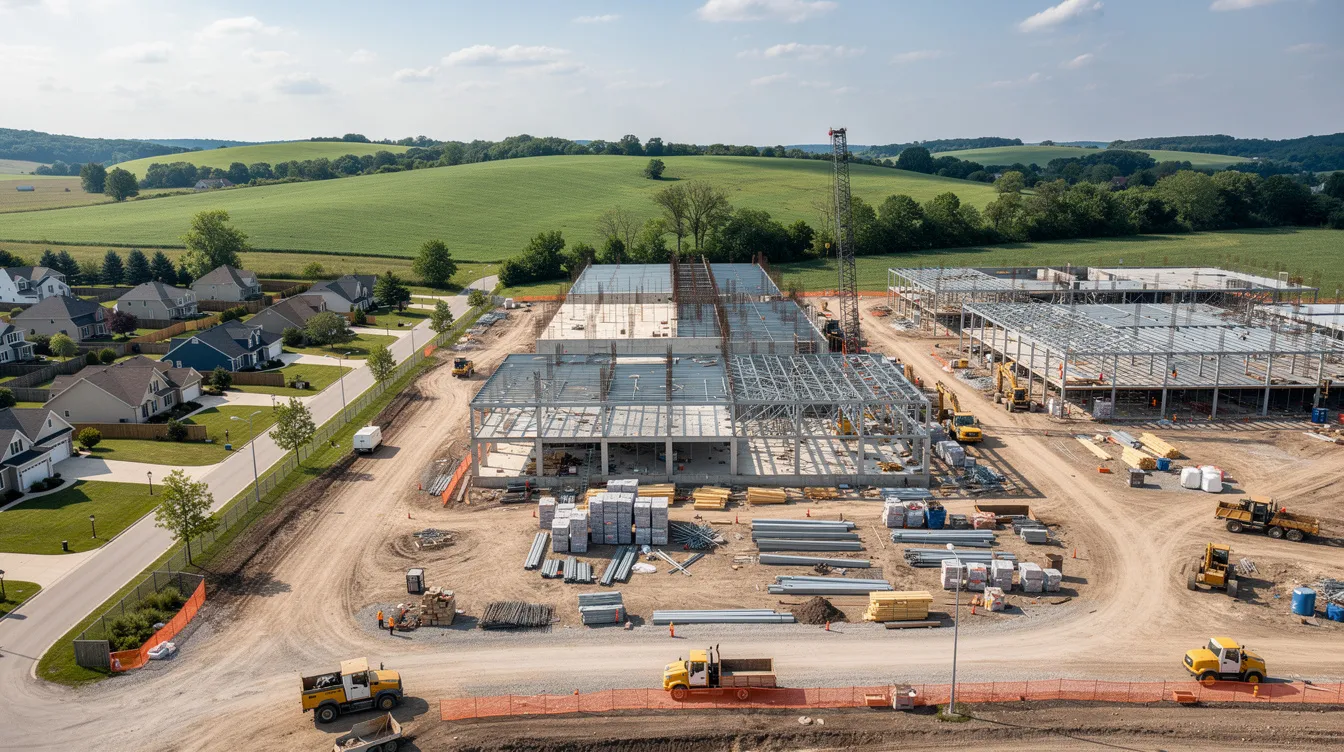
According to recent industry tracking, roughly $130 billion worth of AI and data center projects were canceled or delayed in Q1 2026 alone. That figure is not a coastal problem or a northern Virginia problem. It is a Carolinas problem. High-profile corridors in North Carolina and South Carolina are at the center of data center expansion, and local communities along those routes are pushing back harder than ever.
Reputation management has shifted from a “nice to have” marketing activity to a core risk control function. It now affects zoning hearings, permitting decisions, and schedule exposure on data center projects in ways that directly hit the bottom line. Reputational damage can lead to decreased sales and higher costs, and in a market where contractors compete for a finite number of hyperscale and colocation jobs, reputation risk can undermine competitiveness and sustainability for years.
The regional data center backlog analysis from ABC Carolinas shows that data centers are driving 2026 pipelines in Charlotte, the Triangle, and Upstate South Carolina, with nonresidential backlog averaging about 9.4 months. Any reputational stumble on a high-visibility project becomes more costly when the pipeline is this concentrated. A strong reputation attracts new construction customers, while negative feedback can quickly deter potential customers in a market where developers compare contractor track records across adjacent counties.
In practical terms, contractor reputation management means coordinated communication, field behavior, documentation, and digital tools that shape how neighbors, local officials, and owners perceive a firm on every project. Carolinas contractors compete in a tight market where community memories last a long time. One badly handled data center job can influence RFP decisions for years to come. Reputation risk can lead to decreased sales and stock price declines for publicly traded firms, but even privately held contractors feel the sting when developers stop calling.
Residents in suburban Charlotte, Johnston and Wake counties, and fast-growing Upstate SC towns are raising consistent concerns during hearings and public comment periods. These are not fringe objections. NC polling shows that only about 24% of respondents support data centers in their own community, while 44% oppose them and 32% remain unsure. Contractors should understand the key issues driving that sentiment.
Reputation risks can arise from governance failures or perceived unethical behavior, including inadequate public notice, deficient environmental analysis, or opaque dealings around tax policies. In Stokes County, NC, the rezoning of roughly 1,845 acres for a hyperscale data center complex triggered a lawsuit alleging procedural violations and environmental justice concerns. In Wake County, a proposed data center was withdrawn after residents mobilized around transparency gaps.
Residents often blur the line between the owner and the contractor. Many complaints about “the project” end up attached to the general contractor’s name online. A contractor’s reputation depends not only on clients but also on relationships with trade partners, suppliers, and the local communities where work happens. This bipartisan pushback has emerged in both rural counties and tech hubs, so merit shop contractors should expect scrutiny on any sizable data center job filed in 2026.
Reputation management begins months before a grading permit, when the project team maps who will be affected and who will influence decision-making in North Carolina and South Carolina jurisdictions. Early mapping prevents surprises and gives contractors time to build strong relationships before opposition crystallizes.
Contractors should coordinate with owners early to decide who speaks for the project on community issues and whether communications flow through the developer, the design team, or the contractor’s project executive. Community involvement reinforces contractor trust and boosts local visibility, while networking with local trade groups builds trust and reliable business referrals beyond a single project.
Create a simple stakeholder contact log (names, roles, preferred channels, meeting dates) as part of the project launch documents, with rigor similar to safety and logistics plans. Early stakeholder mapping can be supported by digital tools like GIS overlays and CRM style contact lists, but it requires a human-led strategy. Trust is essential for client relationships in construction, and it starts with knowing your neighbors before they learn about you from a rezoning notice.
Building trust is the most cost-effective form of reputation management, especially for controversial data center development that will operate quietly for decades but build loudly for 18 to 24 months. Transparency fosters trust between construction companies and clients, and in this context, “clients” includes every resident who lives within earshot of the site.
Effective communication enhances trust in construction projects. Clear timelines and proactive updates reduce contractor-client disputes, even when the “client” is a community member who never signed a contract. Open communication is not a concession; it is a competitive advantage. While data center neighbors are not traditional customers, their satisfaction with construction behavior strongly influences long-term reputation. A strong reputation attracts new customers, and it starts with conversations before the first truck arrives.
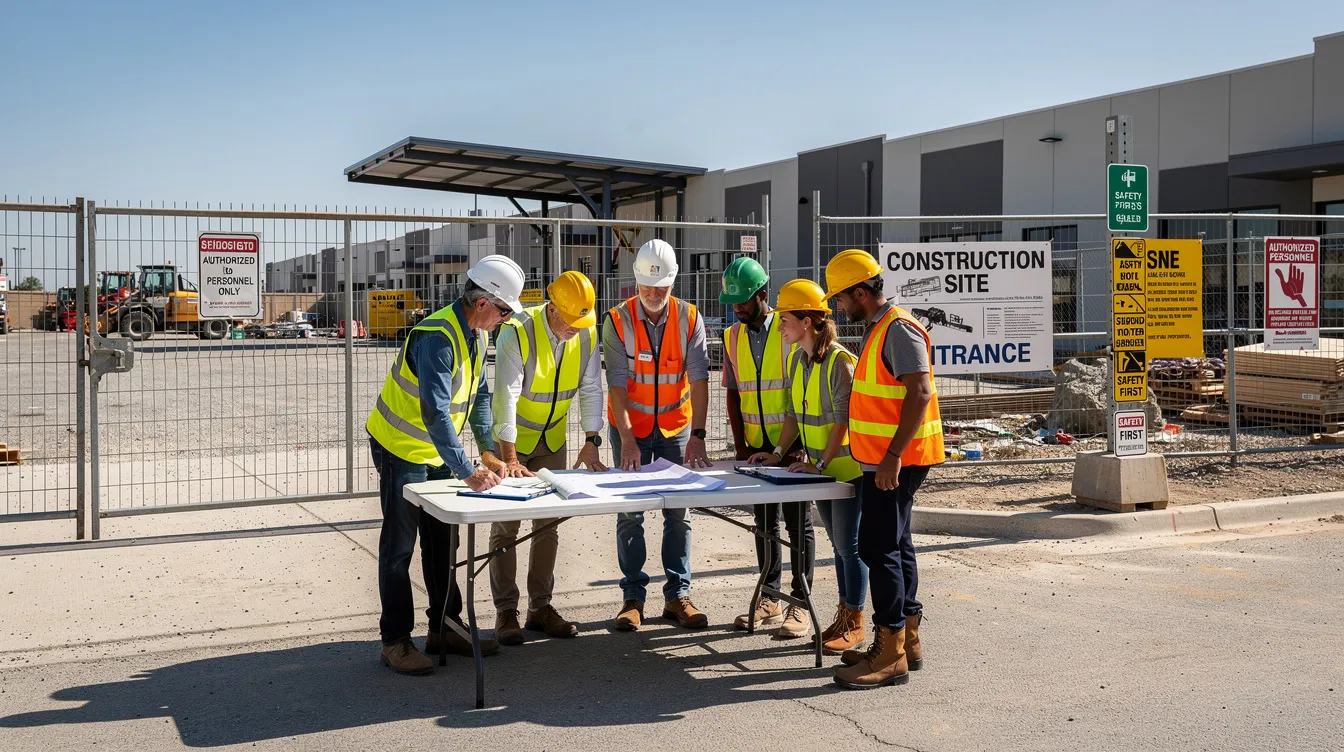
For most residents, contractor reputation management is what they can see and hear from their porch. Truck behavior, dust, noise, lighting, and crew professionalism on the data center site form the daily narrative of your company’s integrity in the community.
Operational excellence includes meeting technical specifications and adhering to safety regulations, but on a data center job surrounded by skeptical neighbors, it also means treating every crew member as a brand ambassador. High-quality visual proof of work, such as project photos documenting clean operations, enhances reputation with both owners and communities.
Effective reputation management requires balancing physical craftsmanship and digital visibility. Advanced equipment and technology improve productivity, but residents remember respectful, safety-focused crews on the ground. Employee training in community awareness should sit alongside safety orientations in the project launch sequence. Investing in employee training improves company reputation in ways that show up directly in permit hearings and neighbor conversations.
Digital tools help contractors monitor sentiment and respond faster, but they are not a substitute for in-person conversations in Charlotte neighborhoods or smaller towns along I-95. Think of them as early warning systems, not autopilot.
Monitoring and responding to online feedback is essential for reputation management. Claiming and optimizing online profiles improves local search visibility and credibility when residents research the contractor behind a controversial project. A systematic strategy for requesting reviews from satisfied project partners can strengthen online reputation, and a consistent system for collecting and responding to reviews influences overall reputation across the companies and small businesses in your supply chain.
Establish a basic crisis management protocol: who answers media calls, who drafts written statements, what approvals are required before publishing information, and how quickly the team aims to acknowledge issues online. Maintain a fact-based tone in all digital replies, aligning statements with permit conditions and documented mitigation plans. Monitoring reputation-related metrics is essential for effective management, and even basic tracking of complaint volume, response times, and resolution rates provides data that supports better decision-making on the next project.
Many data center projects involve global technology clients and complex entitlement strategies, so misaligned messaging between the owner, GC, and subs can quickly damage credibility. When one company says “minimal water use” and another says “state-of-the-art cooling,” residents hear contradiction and lose trust.
Trust is essential for client relationships in construction, and it extends to the financial relationships within the project team. Timely payments to subcontractors are integral to building a good financial reputation. A contractor known for paying fairly and communicating honestly is harder to attack publicly because integrity shows up in every transaction.
Reputation management is measurable, not mystical. Executives should track simple indicators over time for their Carolinas operations, treating reputation resilience the same way they treat safety metrics: as leading indicators, not lagging ones.
Reputation resilience involves anticipating and responding to reputation threats before they escalate. It combines proactive measures and crisis management into a single operating discipline. Even basic spreadsheets can reveal trends in community sentiment across multiple data center projects or industrial jobs.
Conduct structured debriefs after major projects to identify what worked and what failed. Investing in employee training improves client trust in construction and ensures that lessons from one project translate into better performance on the next. Contractors who consistently build trust during the 2024 to 2026 data center wave are more likely to be short-listed when the next round of AI and cloud facilities is procured.
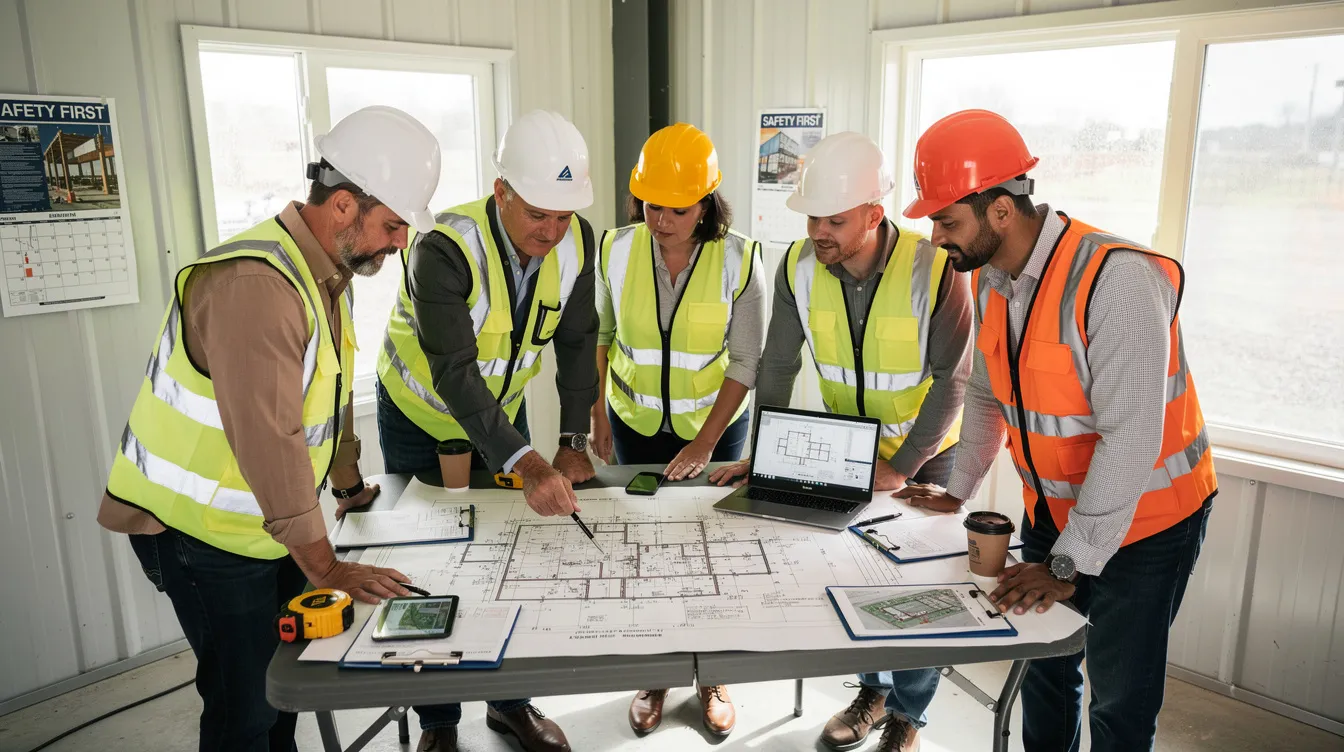
This checklist can be adapted into an internal SOP for any large data center or mission-critical project in North or South Carolina.
Preconstruction and Planning:
Operational Controls:
Digital and Documentation:
Executive Actions:
ABC Carolinas serves as a regional partner for contractors that want to align field performance, communications, and advocacy during the Carolinas data center buildout. The association’s resources help members shift from reactive to proactive on the critical issue of community trust.
The association’s data center backlog analysis and broader construction risk management playbook content show how reputation, documentation, and contractual decisions intersect when a community issue escalates.
Your next step: Connect with ABC Carolinas to discuss a reputation management roundtable for members handling data center work, or explore incorporating stakeholder communication modules into upcoming leadership training. Contractors who invest in these capabilities now will lead the market when the next wave of data center development arrives.
This FAQ addresses practical questions Carolinas contractors often raise, but that are only briefly covered in the main sections.
Outreach should begin as soon as the site is under serious consideration and before formal permit filings. For most projects, that means three to six months before public hearings, so local leaders and neighbors hear accurate information from the project team first, rather than from a rezoning notice or a social media rumor. Engaging early gives contractors time to build relationships before positions harden.
A project executive or senior operations leader should be designated as the reputation lead, working closely with safety, marketing, and government affairs staff. This person coordinates messaging, sets field behavior expectations, and manages responses to community issues. Accountability should be clear, just as it is for schedule and budget performance.
Respond with calm, fact-based clarifications on official channels. Keep responses consistent with permit documents and avoid arguing in comment threads. Offer offline conversations with concerned residents when appropriate. A measured, transparent approach protects the firm’s credibility and avoids escalating a dispute that may attract broader media attention.
Yes. Subcontractor behavior on haul routes, at site entrances, or in local restaurants can significantly affect public perception. Incorporating clear conduct clauses, orientation training, and enforcement measures into subcontracts and pre-task meetings is essential. The public rarely distinguishes between the GC and its subs; they see one project and one set of workers.
Members should contact ABC Carolinas for introductions to advocacy resources, peer contractors who have navigated similar challenges, and educational tools that support a more structured communication and risk management approach. The association can also provide government affairs context on local resistance, regulatory developments, and red states policy dynamics that affect permitting and public sentiment across the Carolinas.


