


As of September 2026, the national construction unemployment rate fell to 3.5 percent (not seasonally adjusted), and every state, including North Carolina and South Carolina, reported a rate below 10 percent. For commercial construction leaders in the Carolinas, that points to a tight labor market, not just a headline.
If you are a business owner, executive, project manager, field supervisor, or workforce development leader planning for Q4 and 2027, this changes how you hire, bid, schedule work, and manage wage pressure. The analysis below looks at what the current construction unemployment rate means for labor availability, retention, apprenticeship and training investment, safety and productivity risks, and the practical workforce moves Carolinas contractors should consider now.
ABC National’s analysis of U.S. Bureau of Labor Statistics data confirmed that all 50 states reported a construction unemployment rate below 10% in September 2026. The national not seasonally adjusted unemployment rate in the construction industry was 3.5% as of September 2026, down 0.3 percentage points from the same month a year earlier. That figure measures the share of private wage and salary workers in the construction sector who are unemployed, available for work, and actively seeking it. It is a narrower, more relevant indicator for contractors than the headline national unemployment rate, which blends every industry together.
For North Carolina and South Carolina, the takeaway is immediate: the construction labor market remains tight. Qualified craft workers, field supervisors, and equipment operators are largely employed, leaving a thin pool of available talent. Contractors preparing bids for late 2026 and early 2027 need to treat labor availability as a binding constraint, not an afterthought. ABC National and Construction Executive reported the September findings, and this article translates those workforce statistics into practical decisions for the Carolinas construction industry.
ABC National, with analysis prepared by Markstein Advisors, published its September 2026 state-by-state construction unemployment analysis using BLS household survey data. The core finding: every state recorded a construction unemployment rate below 10 percent, and all but three states came in below 6 percent. This salary workers release focused specifically on wage and salary workers in the construction sector, not the broader employed population.
Total construction employment held strong at about 8.36 million workers in September 2026. The Current Population Survey tracks the construction unemployment rate nationally and captures employment-situation-related data by industry. The construction sector is part of the goods-producing industries supersector, meaning its labor dynamics can diverge sharply from service-sector trends.
The construction unemployment data in this release confirm that the long-running construction labor shortage has not eased. Construction employment data comes from the Current Population Survey, a household survey that asks respondents about their work status, industry, and job-seeking activity. Contractors should not confuse this with employer or establishment surveys, which measure payroll counts rather than individual worker status. That distinction matters: even as construction payroll employment has risen roughly 9.9 percent above its pre-pandemic peak, the pool of unemployed construction workers available to hire remains historically small.
BLS data for September 2026 show North Carolina’s overall seasonally adjusted unemployment rate at 3.4 percent and South Carolina’s at 4.0 percent. South Carolina also added about 12,500 nonfarm jobs that month, with job gains across multiple sectors. These are overall state figures, not construction-specific, but they set the stage: both Carolinas are operating in labor markets where competition for workers spans every industry.
When you layer ABC National’s finding that construction unemployment is below 10 percent in every state on top of these overall numbers, the picture sharpens. A low overall unemployment rate combined with a low construction unemployment rate means that the supply of experienced construction employees is constrained from both sides. Workers who might otherwise transition into construction trades from other sectors have options elsewhere.
It is important to differentiate overall unemployment versus sector-specific industry unemployment. The construction sector consists of establishments primarily engaged in building, civil engineering projects, and specialty trades, and its labor dynamics respond to project cycles, weather, and capital spending patterns differently than retail or healthcare. Carolinas contractors should pay closer attention to construction unemployment rate trends than to general economic headlines, which can mask the severity of sector-level tightness. Public investment in infrastructure creates localized labor demand that intensifies this pressure, and government investment in construction can buffer against slowdowns in private-sector activity, keeping demand for workers elevated even during broader economic uncertainty.
Tight hiring conditions are especially visible in high-growth corridors like Charlotte, the Triangle, and the Upstate South Carolina industrial belt along I-85 and I-26, where project-start and labor-demand data overlap with some of the region’s fastest population growth.
The construction unemployment rate measures the percentage of private wage and salary workers in the construction industry who are unemployed and actively looking for work, based on BLS household survey methodology. Because the series is not seasonally adjusted, it can move differently from general unemployment in ways that require careful interpretation. A section of the BLS data presents data on this measure with a seasonally adjusted frequency available for the national figure, but state-level estimates remain unadjusted.
A low construction unemployment rate does not signal a labor surplus. It usually means most qualified craft workers are already on payrolls, and the available hiring pool is small. Construction is heavily weather-dependent, causing predictable seasonal fluctuations in unemployment numbers. Construction unemployment historically fluctuates with seasonal weather and project cycles, so a small uptick from August to September (the national rate rose 0.4 percentage points month over month) likely reflects project timing and seasonal transitions rather than a fundamental easing.
Common misinterpretations can lead to costly planning errors. Assuming low unemployment will dampen wage growth ignores that scarcity drives compensation upward. Expecting hiring to become easier because the broader economy shows mixed signals overlooks that the construction sector’s unemployment rate is shaped by economic cycles and construction-specific business conditions, not the economy as a whole. Reading a slight rate increase as a sign of a looming slowdown can cause contractors to delay recruitment, only to find the market even tighter when they finally move. Extended unemployment can lead construction workers to exit the labor force entirely, and construction workers face high income volatility due to fluctuating labor demand, which means that previously employed workers who leave may not return.
Contractors should pair construction unemployment data with related data, such as construction job openings, labor force participation, and local project pipelines, for a complete picture. Most BLS data that meet publication criteria for state-level estimates are available monthly, and monthly notes on revisions should be reviewed before drawing conclusions from any single release.
Low construction unemployment intensifies pressure in the Carolinas’ busiest markets. Charlotte’s pipeline of data center, industrial, and mixed-use construction projects draws from the same talent pool as the Triangle’s growing commercial and institutional work. The Upstate South Carolina manufacturing and logistics corridor along I-85 and I-26 adds another layer of competition, particularly for construction crews with experience on multiple project sites requiring specialized skills.
The construction sector includes various job roles like laborers and supervisors, and competition for electricians, welders, equipment operators, foremen, and superintendents is especially acute. Construction job openings are reported in thousands each month nationally, and they reached thousands in 2023, a trend that has not meaningfully reversed. Construction job openings are part of the goods-producing industries data that BLS tracks alongside hires and separations. Hires in construction are also reported in thousands, but separations in the construction sector occur frequently, reflecting the project-based nature of the work and how easily experienced workers can move between employers. Establishments generally report difficulty filling skilled positions, and the section presents productivity challenges when key roles remain vacant for extended periods.
For executives, this environment means longer recruiting timelines, lower offer acceptance rates, and higher expectations for compensation and benefits in both hourly and salaried construction roles. Ordinarily performed tasks like reviewing resumes and scheduling interviews now require earlier starts and more aggressive outreach. ABC Carolinas has previously discussed elevated job openings in construction as a signal that labor supply is not keeping up with demand; that analysis remains directly relevant to the September data.
Low construction unemployment connects directly to wage and salary pressure for private construction employers in North Carolina and South Carolina. Wage growth in construction has outpaced general private-sector averages due to workforce shortages, and that trend is unlikely to reverse while the available labor pool remains this thin.
Tight labor conditions push up costs across the board: base pay, overtime, shift differentials, retention bonuses, and employee earnings for key craft and field leadership roles. Working supervisors who can manage production responsibilities while leading crew members are especially hard to replace, and their compensation reflects it. Hourly earnings and annual earnings for experienced trades professionals in the Carolinas have climbed steadily, and contractors should expect continued upward pressure.
When preparing bids, executives should factor rising labor costs into assumptions, contingency planning, and contract language. On fixed-price work, thin margins can disappear if wage assumptions from six months ago no longer hold. High interest rates increase developers’ cost of capital, compressing project budgets and leaving less room for labor cost overruns. The availability and pricing of critical raw materials, including construction materials, can stall construction projects mid-stream, compounding the financial pressure of expensive labor.
Union membership among wage and salary workers is significant in certain construction trades and markets. Union members earn higher wages than nonunion workers, and in 2025, union membership is projected to be 11% of workers nationally. Union representation affects job security and benefits, and unionized construction workers have better wage outcomes on average. Even in largely merit shop markets like the Carolinas, contractors should review compensation benchmarks and union membership trends to understand broader wage dynamics and competition for talent. Where occupation data series employment figures and latest industry averages suggest wage growth is accelerating, contractors who compare growth rates across trades can make smarter bid decisions. ABC Carolinas’ construction backlog analysis offers a complementary lens for balancing wage pressure with pipeline visibility and risk on longer-duration projects, including prime contracts with extended schedules.
September’s construction unemployment rate should feed into longer-term workforce strategy, not just monthly reaction. Contractors who treat this as one data point in an ongoing planning process will make better decisions than those who swing between alarm and complacency based on a single release.
Specific planning moves worth considering include scenario planning around different unemployment and wage paths, aligning staffing plans with realistic labor availability, and integrating construction unemployment data into annual budgeting cycles. Technological adoption shifts required skill sets in construction, and skills obsolescence due to technological advancements pressures construction workers to retrain. Workforce planning should account for these shifts by identifying which roles will require new competencies and budgeting for upskilling. Unemployment in construction can affect workers’ financial security and career progression, making stable employment with clear advancement paths a competitive differentiator for employers.
Pair workforce statistics and related data from BLS releases with internal metrics: turnover rates, time-to-fill for critical roles, project delays driven by staffing gaps, and labor productivity trends. Where an interactive chart or data table from BLS or internal systems can visualize labor turnover and gross job gains alongside your own hiring data, use it. The section presents data from establishment surveys, and employer or establishment surveys can supplement the household survey picture. ABC Carolinas’ guidance on strategic planning in construction helps leadership teams translate labor market indicators, including construction unemployment data, into actionable multi-year hiring and training plans. Reliable workforce statistics and employment estimates, when reviewed regularly by operations, HR, and finance, make it easier to decide when to grow, hold steady, or selectively subcontract based on labor constraints and the total factor productivity of your existing teams.
Low construction unemployment underscores the need to grow the talent pipeline rather than waiting for the market to loosen. An aging workforce combined with limited new entrants creates structural shortages in the construction labor market, and September’s numbers confirm the problem won’t go away on its own.
Investing in apprenticeship and craft training programs helps Carolinas contractors build a steady supply of skilled workers, reducing dependence on a small pool of previously employed, already-experienced hires. Occupations commonly found on building sites, from electricians and pipe fitters to concrete finishers and equipment operators, require structured training that takes time to deliver. The earlier contractors invest, the sooner they benefit.
Workforce development initiatives also improve retention among existing construction employees by offering clear career paths, upskilling opportunities, and connections between field work and future supervisory roles. ABC Carolinas supports member companies through apprenticeship, craft education, and leadership development programs designed to help contractors perform construction activities with qualified craft workers they develop internally. In a market defined by a persistently low construction unemployment rate, companies that systematically build their own talent pipelines are better positioned to control labor costs, hit schedule commitments, and maintain quality across other construction establishments they compete against. Content data suggestions based on your company’s own hiring patterns can help identify which roles to prioritize for apprenticeship investment. The BLS representation data series, which includes employment estimates for construction trades by state, can help benchmark your workforce composition against the broader market and identify where your hiring-need axis diverges from available supply.
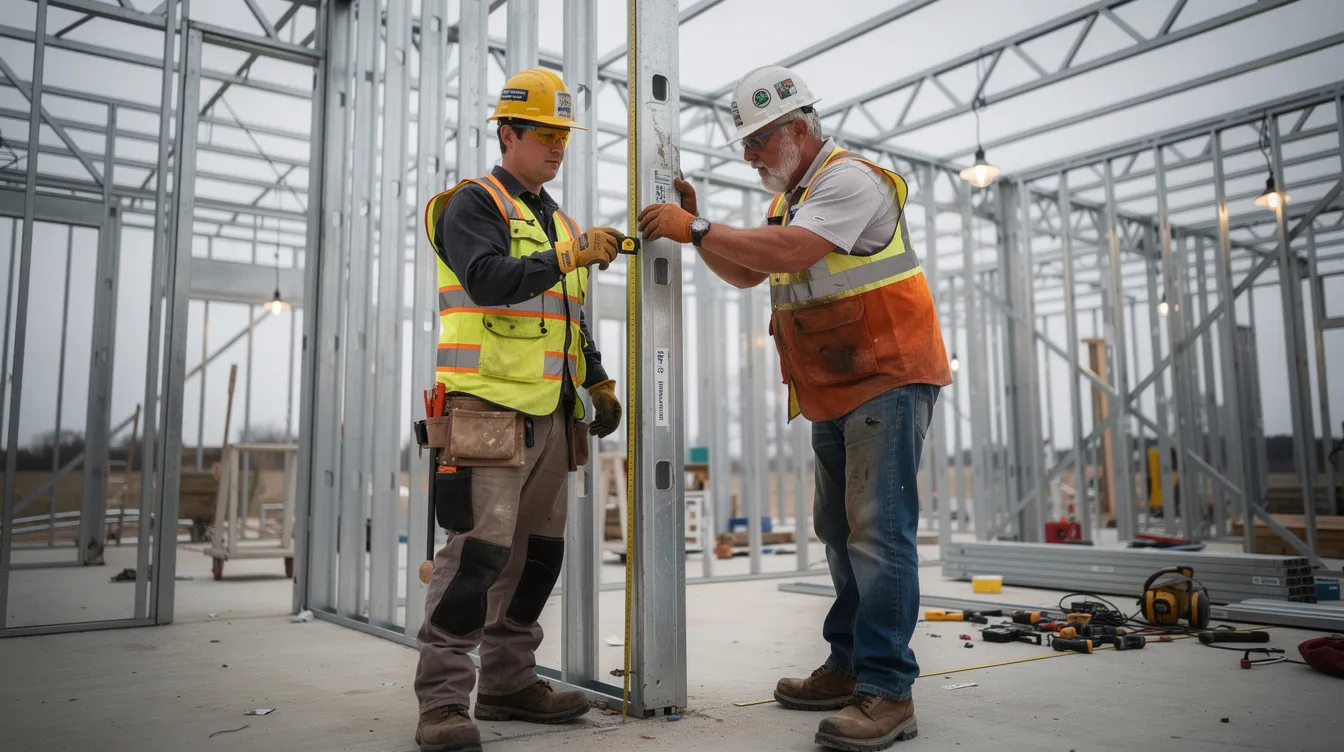
Low construction unemployment and persistent labor shortages can stress existing construction crews, with direct implications for safety, productivity, and retention. When the labor market is this tight, the temptation to stretch crews thin or accelerate onboarding timelines is real, but the risks are significant.
Construction has higher workplace injury rates per 100 workers than most other industries. Work-related fatalities in construction are a significant concern, and injuries and illnesses are often caused by work environment exposures that worsen under time pressure and fatigue. Overreliance on overtime, thin staffing on critical-path activities, or rushing inexperienced salaried workers into complex tasks can increase the risk of workplace injuries, rework, and burnout. Workplace fatalities and workplace trends in incident data consistently show that pre-existing gaps in training and supervision are leading contributors to serious events.
A strong safety culture, realistic schedules, and structured mentoring for new hires keep injury and illness rates low while maintaining output. Safe, well-managed jobsites where establishments’ incident-rate trends compare favorably with national survey benchmarks are a competitive advantage for recruiting and retaining skilled employees. When benefits paid include meaningful safety training and career development, retention improves. Leaders should treat safety investments and foreman training as retention tools, not just risk management measures. In an environment where the broader construction unemployment rate shows workers have other options, companies with the strongest safety records and most disciplined labor productivity practices will keep their best people.
September’s construction unemployment data confirm that the construction labor market remains tight nationwide and in the Carolinas. The national survey of household data and the establishment surveys that track payroll employment both point in the same direction: staffing will remain a strategic constraint through 2027. This pressure is structural, not cyclical, and planning accordingly is essential.
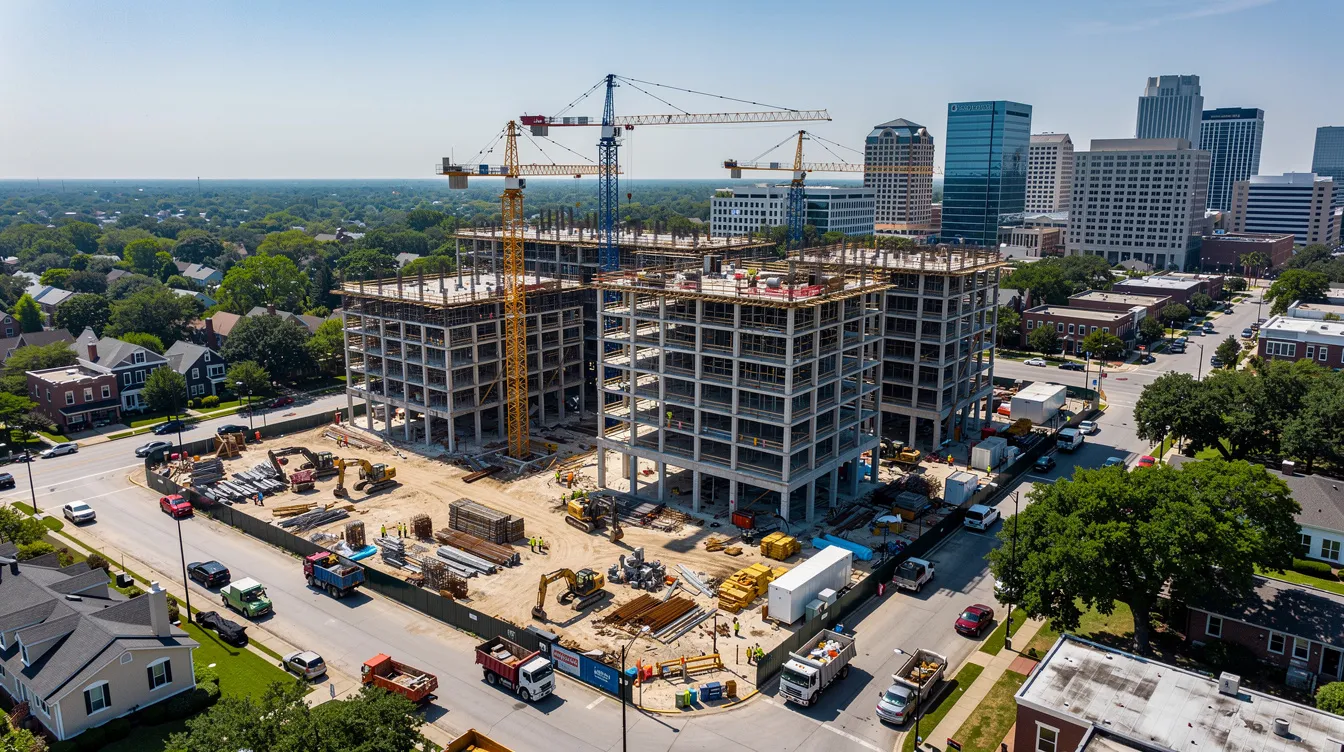
Here is what to do now. Start by reviewing your current workforce statistics against awarded work and confirmed start dates, and compare where your headcount stands today with where it needs to be in 90 days. Tables present this information most clearly when operations and HR collaborate on a single staffing dashboard. Next, revisit wage assumptions in every active and upcoming bid; if your labor cost estimates are based on data reported six or more months ago, they likely understate current market rates. Evaluate your reliance on subcontractors versus internal crews, because in a tight market, subcontractor availability and pricing carry their own risks, especially for occupational employment change on fast-tracked construction projects. Prioritize the key roles that must be filled early, particularly working supervisors, foremen, and qualified craft workers in trades with the longest hiring timelines. Consider whether utility system installations, specialty concrete, or electrical scope on engineering projects will require earlier labor procurement than your current schedule assumes.
Schedule a dedicated discussion among executive, operations, HR, and finance leaders within the next month. The goal is to align hiring, compensation, and apprenticeship investment decisions with the latest construction unemployment rate trends and your own project pipeline. This is not a one-time exercise; it should become a recurring agenda item tied to each new data release. Review labor turnover metrics, the section presents productivity benchmarks, and compare growth in your wage costs against the plan.
Connect with ABC Carolinas about workforce development, apprenticeship, or peer-learning opportunities that can help you compete in a persistently tight construction labor market. The September construction unemployment rate makes one thing clear: the contractors who plan around this data, rather than hoping conditions will change, will be the ones who execute on schedule and on budget in 2027.


