


Specialty trade contractor employment in the United States has reached approximately 6.26 million workers, and the construction industry is adding jobs faster than nearly every other sector. For commercial construction firms, contractors, and trade suppliers across North Carolina and South Carolina, that growth is not abstract. It is reshaping hiring plans, compressing schedules, and raising the stakes on construction safety training—the programs that prevent injuries and fatalities, keep crews OSHA-compliant, and help new hires work safely and productively from day one.
The construction sector will need nearly half a million additional workers by 2025, and less than 10% of the current workforce is under 25 years old. That gap between demand and available talent is already creating real pressure on project delivery and jobsite safety in the Carolinas. In that environment, safety training is also a workforce development issue: companies need practical ways to build skills, coach foremen, adapt project delivery under labor constraints, and measure whether training investments improve compliance, productivity, and project performance.
The numbers on the ground tell a clear story. Nonresidential specialty trade contractors now employ roughly 2.87 million workers nationally, with employment growing at about 2.6% year over year, more than double the pace of total nonfarm jobs. In the Charlotte metro area alone, specialty trade employment stands at approximately 56,300 workers. North Carolina added about 13,600 construction jobs in the year ending April 2026, a 4.9% increase that outpaces most states.
Construction Executive and national workforce data confirm that nonunion, merit shop registered apprenticeship enrollment in construction rose 60% between 2020 and 2025. Nonunion providers now represent about 84% of all construction apprenticeship providers. That trend matters here because it reflects where the industry is actually building its pipeline.
For Carolinas contracting executives, the business question is direct: where will you find workers, how will you keep them, and how will you prepare them to perform safely and productively? The staffing risks to project delivery are immediate. Thin trade capacity means schedule slippage, budget overruns, and lost bids. The safety risks are just as concrete. When less experienced employees arrive on construction sites without proper training, incident rates climb, compliance exposure grows, and construction quality suffers.

The labor squeeze is not evenly distributed. Specific markets and trades are absorbing the most strain.
Charlotte: The Charlotte metro has been a ground zero for commercial demand. With specialty trade employment near 56,300, even small fluctuations in workforce availability affect schedules across new construction and industrial projects. Electrician capacity has been called the “gating factor” for project delivery in this market.
Triangle (Raleigh-Durham): North Carolina’s Triangle region is running at roughly 3.0% unemployment for construction trades as of April 2026. The search for skilled tradespeople in electrical, mechanical, and plumbing is intense, and projections show no near-term relief.
Upstate South Carolina: The Upstate shares the I-85 corridor pressures radiating from Charlotte, with subcontractor capacity shortages spreading into South Carolina border counties.
North Carolina Data Center Corridor: Duke Energy has secured 7.6 GW of signed Energy Service Agreements with data center customers and another 5 GW under construction. The labor demand involved is enormous, especially for electricians and mechanical trade professionals.
The trades under the most pressure tell the rest of the story:
| Trade | Carolinas Snapshot |
|---|---|
| Electricians | Highest demand, shortest supply. Raleigh journeyman wages ($31.07/hr) lag the national median, signaling wage compression despite surging demand. Over 80% of electrical contractors prefer the merit shop model, and merit shops account for 60% of electrical construction projects. |
| Plumbers and Pipefitters | NC employment is at roughly 15,620 in 2024, with projections to 16,500 by 2034 (6% growth). Annual job openings estimated at 1,390, driven largely by replacement demand. |
| HVAC and Mechanical | Tied directly to data center, clean energy, and industrial building activity. Community colleges are aligning curricula with today’s jobsite demands, but the pipeline still lags. |
When labor is the constraint, project delivery processes need to adapt. Merit shop contractors control project-specific details for better cost savings, which gives them a structural advantage in tight markets, but only if they plan for labor availability early.
Getting this wrong means missed dates, blown budgets, and unclear accountability for who owns labor planning, safety performance, and execution within each party’s scope.
Hiring without a training plan is a recipe for elevated risk. Construction safety training prevents injuries and fatalities on job sites, ensures legal compliance with regulations like OSHA standards, and directly supports the effort to make new hires productive faster.
Here is how to align your hiring and training timelines:
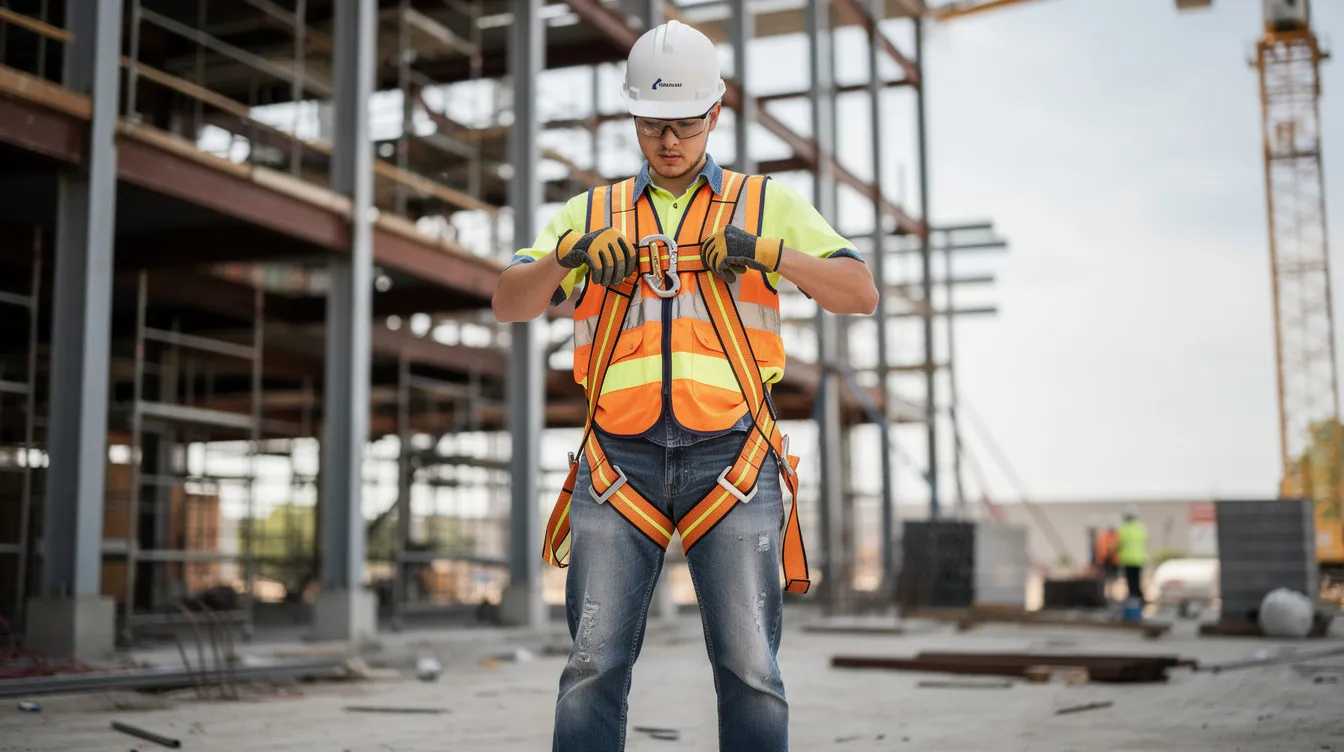
Every construction site has unique hazards, and generic orientation is not enough. Training programs often address the OSHA “Fatal Four” hazards: falls, electrocution, being struck by objects, and being caught in or between equipment.
A strong site-specific orientation module should include:
The long-term answer to labor pressure is a stronger pipeline. North Carolina apprenticeship programs are expanding, with about 5,241 new enrollments and 3,686 completions in FY 2024-25 and a 69% completion rate. Retention after program completion runs at approximately 93%, making apprenticeship one of the highest-return talent investments a contractor can make.
Apprenticeships boost skills and hands-on experience in construction, and apprenticeship programs introduce young people to the construction industry at a point when the sector desperately needs them. The IEC advocates for more registered apprenticeship opportunities, and over 80% of electrical contractors prefer merit shop education programs that emphasize performance over seniority.
Here is what contractors should do now:
The merit shop philosophy promotes skills over seniority in hiring, and merit shop workers earn fair pay based on performance. Merit shops follow a merit-based compensation structure that rewards dedication and skill development, supports retention, and aligns with what apprenticeship graduates respond to.
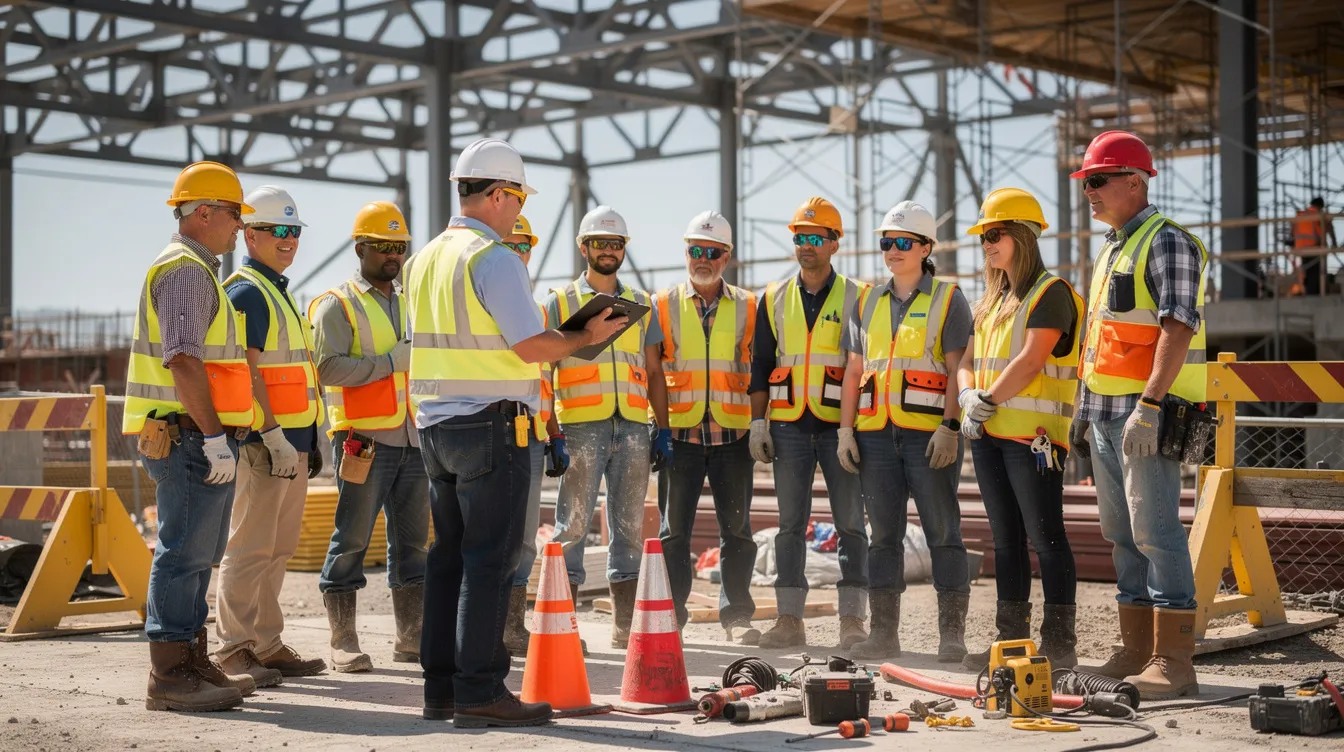
Foremen are the link between your safety culture and the work environment on the ground. When supervisors are stretched thin, near-miss reporting drops, toolbox talks get skipped, and incident risk grows.
A safe job site boosts productivity and worker morale. Safety training builds a culture of accountability and proactive safety measures on construction sites. When you frame construction safety training as a workforce strategy rather than a compliance checkbox, you unlock benefits that go well beyond avoiding fines.
Safety training reduces workplace injuries in construction by 29%. Proper training reduces the financial costs of workplace accidents, from lost time to repairs, litigation, and insurance rate increases. Over 80% of electrical contractors prefer merit shop safety training, reinforcing the connection between training quality and the merit shop employer model.
Priority actions:
You cannot manage what you do not measure. Here are the metrics that connect training investment to business success:
| Metric | What To Track |
|---|---|
| Time-to-productivity | Days from hire date to full task independence. Structured onboarding compresses this, saving labor costs and reducing schedule drag. |
| Incident rates | Recordable cases per 100 full-time workers (national specialty trade average: 2.3). Compare your rates before and after training interventions. |
| Retention rates | Track apprenticeship cohort retention against general hire retention. Programs reporting 93% post-completion retention demonstrate the value. |
| Bid success | Compare win rates on projects where you can offer trained, certified crews versus those where you cannot. Industry certifications and crew readiness increasingly separate winning bids from the rest. |
Networking events connect construction professionals and create opportunities to benchmark these numbers against peers. Networking opportunities can enhance workforce development in construction by exposing leaders to best practices from organizations running similar programs.
The contractors who grow capacity now will be the ones delivering projects on schedule next year. Here is what to do Monday:
The merit shop model rewards employers who invest in people. Every dollar spent on training, every apprentice hired, every foreman developed is a step toward stronger project delivery, cleaner safety records, and the kind of workforce that wins work. The demand is not slowing down. Your response to it will define your success in the Carolinas market for the rest of this decade.


