


When a construction worker is out of sight and out of earshot, every routine hazard becomes more dangerous, and every minute of delayed response matters more. Construction safety and mental health are not only about crisis hotlines or benefit programs; they also reflect the operational reality that isolation on a jobsite changes both the physical risk and the psychological load a worker carries. For contractors across North Carolina and South Carolina, recognizing and managing lone-worker exposure is a practical safety discipline that belongs in the same conversation as fall protection and lockout/tagout.
Mental health should be treated as part of construction safety alongside physical hazards. That is especially true when employees spend portions of their day where no co-worker can see, hear, or quickly reach them. ABC Carolinas views this as a modern safety responsibility, not a separate HR initiative.
This article defines who counts as a lone worker, explains where Carolinas contractors face the greatest exposure, and provides a field-ready checklist and communication framework to reduce risks for construction workers who work alone.
A lone worker is not necessarily the only person on a property. The term applies to anyone performing tasks where no one can readily see or hear them, or reach them quickly in an emergency. On a busy construction site with hundreds of workers, someone can still be effectively alone.
Common lone-working situations in the Carolinas include:
Many workers move in and out of lone-working status throughout the day. That means construction managers and safety professionals need to think in terms of lone-working tasks and locations, not just job titles. Recognizing these situations is the first step toward improving mental health and physical safety for construction professionals who regularly work beyond anyone’s line of sight.
The geography and project mix across North Carolina and South Carolina create several patterns that amplify lone-worker risk. Spread-out industrial campuses, early-morning roadway or utility work, and after-hours tie-ins in office towers in Charlotte or the Triangle all place workers in positions where help may be far away. Rural projects along I-95 or in parts of Upstate South Carolina can also present communication and response challenges.
Isolation can increase safety risks when workers cannot quickly report a problem or get help. Basements, stairwells, remote corners of a campus, and areas behind heavy concrete walls can all create dead zones where radios and cell phones lose signal. When physical isolation and communication gaps overlap, both incident severity and worker stress can rise together, especially around safety hazards on remote or obstructed parts of the site.
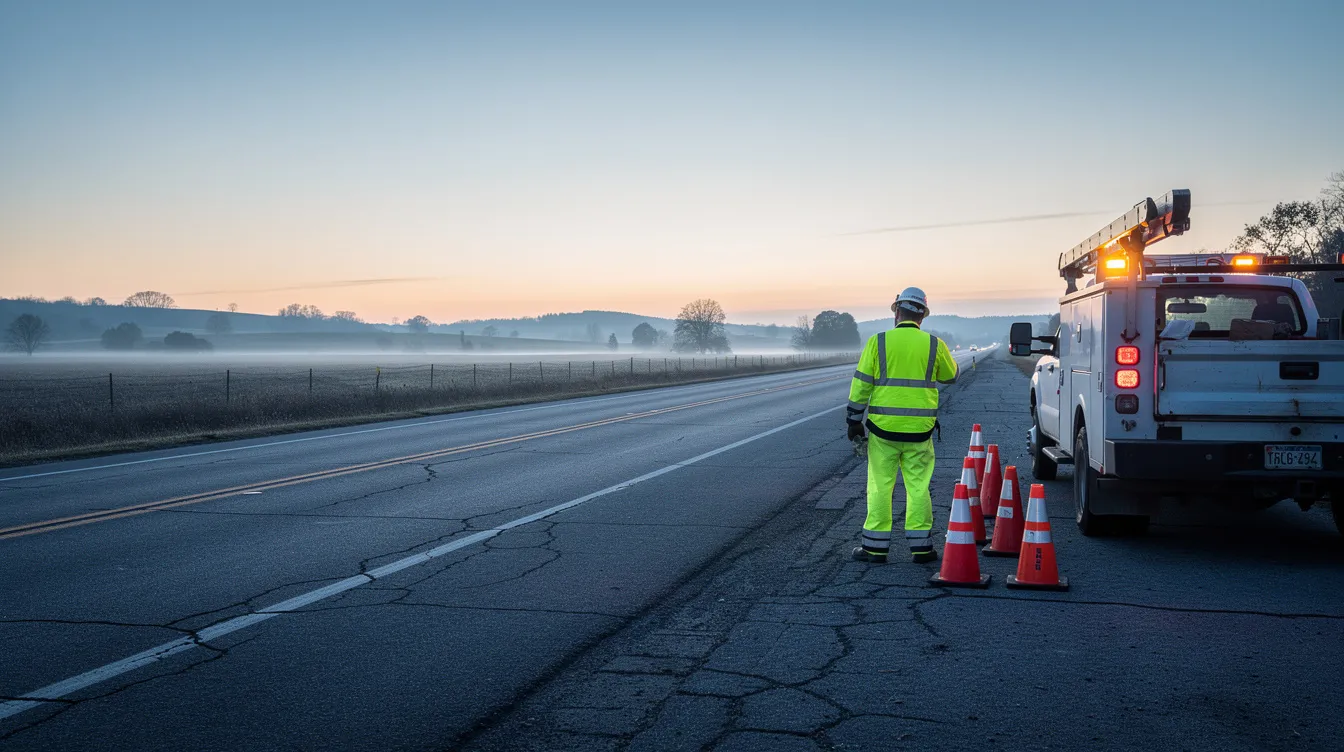
Working alone turns routine construction hazards into higher-consequence incidents. A slip on a rooftop, an equipment malfunction in a mechanical room, or a cardiac event during extreme heat exposure each becomes far more dangerous when no one is nearby to render aid or call emergency services. Without a check-in system, the time between an incident and rescue can stretch from seconds to much longer.
The broader mental-health context also matters. CDC reporting has shown that construction remains among the sectors with elevated suicide risk, and a 2026 NIOSH bulletin said construction workers are more than twice as likely to die by suicide as other male workers. That does not mean working alone by itself causes a mental-health crisis. It does mean isolation, stress, and weak support systems deserve attention inside a company’s safety approach.
OSHA also notes that workplace stressors can worsen mental-health challenges and affect worker well-being and organizational performance. On a jobsite, that can show up as distraction, reduced situational awareness, poor communication, or weaker decision-making. When a worker is alone and already under strain, the absence of nearby support can make routine work feel less manageable and emergencies more severe.
This does not mean every lone-working assignment requires clinical intervention. It means reducing isolation and improving connection are protective steps that belong in every safety program, alongside broader mental-health awareness and suicide-prevention readiness.
Employers can integrate mental health into jobsite safety protocols by adding lone-worker questions to existing job hazard analyses and pre-task planning documents. Rather than creating a separate process, construction managers should expand current JHAs to evaluate:
The risk assessment should document when and where a worker may be alone on each project, then determine whether to eliminate the isolation, pair the worker, improve communications, or escalate supervision. This assessment helps construction managers prioritize controls, communication requirements, and supervision levels for lone-working tasks on each active project.
Use this checklist to review any active project in the Carolinas for lone-worker exposure. Each item can be printed or added directly to a site safety plan.
This checklist gives safety leaders a clear snapshot of current lone-worker exposure and should be revisited regularly as projects evolve.
Reliable communication is the single most important control for lone workers. Redundancy matters: if cell coverage is spotty, pair it with two-way radios or a text-based check-in group. On sites where neither works reliably, consider alternative communication planning before the task begins.
Regular check-ins also help reduce the sense that a worker has been forgotten. When a supervisor or dispatcher contacts a lone worker at a scheduled time, it sends a clear message that someone is paying attention and support is available if something goes wrong.
Each contractor must make several key decisions about their communication and escalation system:
A strong communication routine can also support trust and workforce stability by making workers feel seen and supported. The routine itself is practical risk control: knowing that someone will notice if they do not respond can help many workers stay more focused on the job.
Foremen, superintendents, and construction managers are risk leaders, not therapists. Their responsibility is to maintain connection, notice changes, and activate support when needed.
Construction supervisors should be trained to recognize warning signs that merit a check-in or escalation, including changes in behavior, increased irritability, missed check-ins, unusual withdrawal, or declining performance. Psychological safety can improve overall worksite safety by making it easier for workers to speak up early when something is wrong.
Practical steps supervisors should take with lone workers:
Supervisors are not diagnosing mental health issues. They manage risk, maintain connection, and ensure no worker is left without a path to help. Leadership support at this level creates a culture where speaking up is treated as professional competence, not weakness.
Technology can supplement good supervision and training, but it does not replace them. Several categories of tools are relevant for lone workers on construction sites:
When evaluating technology, construction managers should consider battery life across a full shift, durability in noisy and dusty environments, connectivity in basements or remote areas, ease of use with gloves and PPE, and how alerts are monitored and responded to.
Smaller contractors can still reduce risks with basic tools: structured phone or text check-ins at set times, a shared digital calendar showing who is where, and a clear escalation chain posted in the site trailer. The cost of fully featured lone-worker systems is not a reason to do nothing. Workers benefit when they know someone is watching out for them, whether the tool is advanced or simple.
Lone-worker protection should not sit in a separate binder. It belongs inside the systems contractors already use. Here is a roadmap for integration:
Supporting workers through operational controls, rather than only through benefits information, signals that the company treats wellbeing as a safety outcome. Addressing isolation at the system level helps the construction industry move toward a culture that values physical strength and mental wellbeing together.
Addressing mental health and physical safety for lone workers is a core responsibility for construction leaders in the Carolinas. Working alone increases exposure when something goes wrong, and the industry’s elevated suicide risk is another reason to treat support, communication, and connection as serious leadership issues.
Start this month:
Explore ABC Carolinas safety training opportunities and review the archived Safety and Health Summit resource page for related safety and mental-health topics. Consistent attention to these issues is both a safety responsibility and a practical way to strengthen trust on demanding jobsites.


