


Have you ever faced delays and budget overruns in your construction projects? If you have, you are not alone. Most teams run into the same issues because small gaps in planning grow into massive problems on-site. One missed detail can stall crews, burn cash, and push deadlines into chaos.
You need solid construction project management to keep work moving. Strong management helps you control risk, track progress, and spot issues before they explode. Think of it like steering a crane. One wrong move can cause trouble, but steady guidance keeps everything safe and on target.
Effective project management in construction also helps you deal with common pressure points. These include labor shortages, supply delays, design changes, and compliance rules. When you manage these early, you cut waste and avoid rework. Your team stays focused, and your client stays calm.
This article gives you a clear path to improve how you run projects. You will see key strategies that top project managers use each day. You will learn how to plan more effectively, communicate faster, and lead teams with greater confidence. You also get a look at new tools that help you track work in real time.
These insights come from industry experts and real case studies. You get proven methods that work on complex builds, busy commercial sites, and tight residential projects. Use these ideas to run smoother jobs, hit your deadlines, and protect your profit.
Let’s break down what it takes to manage construction projects with clarity and control.
Strong project management in construction keeps jobs moving, protects profit, and saves your team from chaos. You feel the pain fast when it is missing. Delays pile up. Crews wait for materials. Costs jump. Clients lose trust. Good project management stops those problems before they hit your site.
Teams use it to plan clear tasks, keep budgets tight, and spot risks early. Even simple steps, such as tracking scope and scheduling crews, can help you avoid the issues highlighted in industry research on construction productivity. The big win is control. You get fewer surprises and more predictable results, which is what clients pay for.

Better project management in construction gives you practical advantages:
Many firms lose money because they react to problems instead of planning for them. Good project management flips that script and keeps your team on offense.
ABC Carolinas leads the pack in helping construction teams stay organized and profitable. The group provides members with training, compliance support, safety programs, and networking that turn everyday managers into better leaders. Other organizations offer support, but ABC Carolinas focuses on helping builders in North and South Carolina win work and deliver it with confidence.
Here is a quick look at how resources compare:
| Organization | Key Support | Best For |
|---|---|---|
| ABC Carolinas | Local training, safety programs, advocacy, strong member network | Contractors in the Carolinas |
| National trade groups | General guidance and market insights | Broad national support |
| Private consultants | Custom workflows and coaching | Firms needing tailored systems |
Long-term success depends on how well you handle today’s details. Projects with strong planning see better cost control, higher morale, and smoother repeat business. Teams that invest in management tools also align with the progress shown in industry discussions on construction innovation. Strong systems help your business grow, even when the market shifts.
Good project management becomes a habit, not a task. It shapes how your team works, learns, and competes. When you commit to it, every project gets easier to run and more profitable to finish.
Run any major project long enough, and you spot the same pattern. Teams struggle not because they lack skill but because they lack clear systems. You can break that cycle with a mix of smart planning, tight controls, and the right tools. If you want to know how to manage construction projects effectively, start with the basics and build from there.
You also need the right support network. This is where ABC Carolinas makes a real difference. The group helps teams sharpen skills, stay compliant, and solve problems faster through training, advocacy, and workforce development. If you want your project teams to work with more confidence, plug them into ABC Carolinas early.
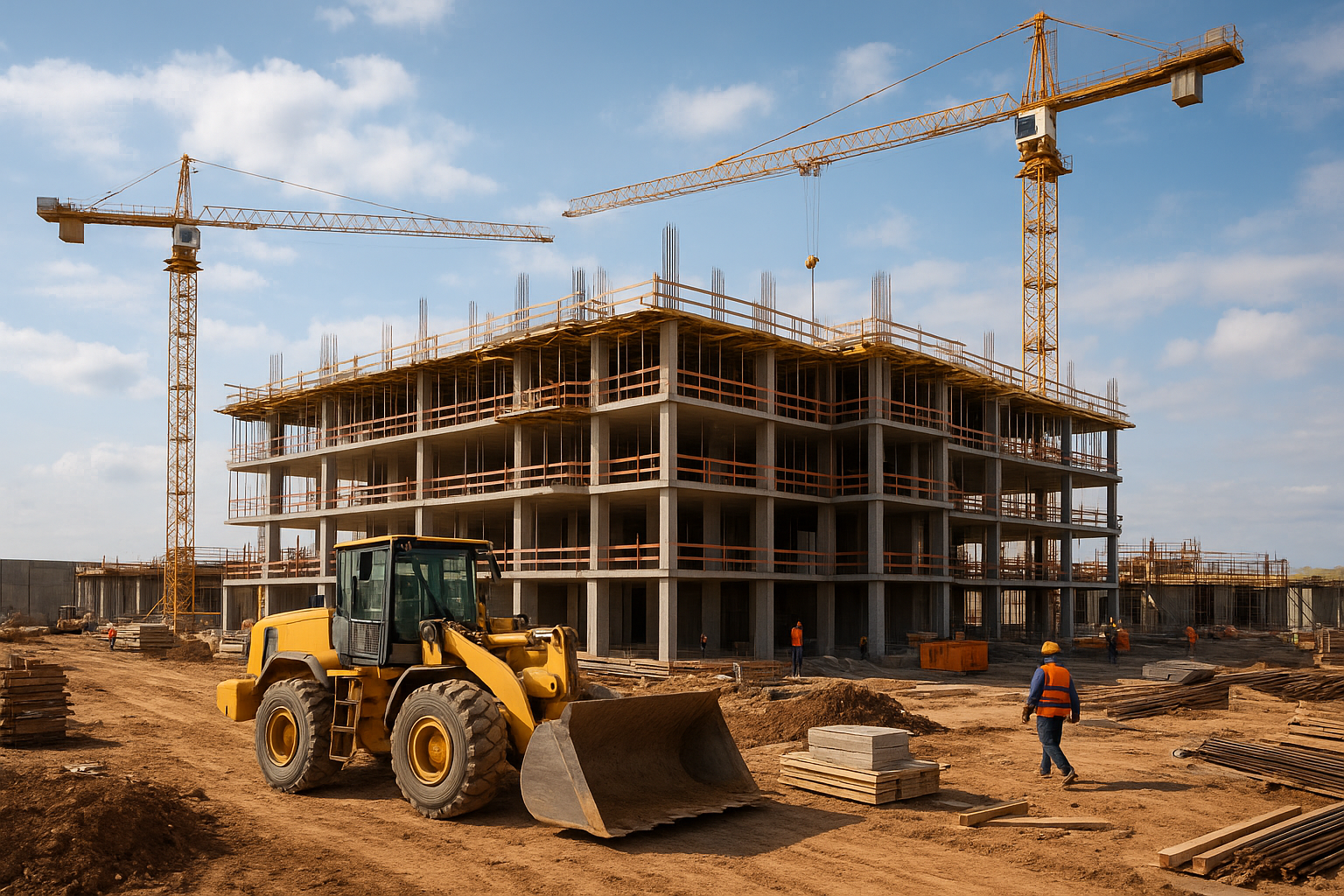
A project plan is useless if it only looks good on paper. Keep it sharp by breaking work into small pieces. Short tasks are easier to track and harder to ignore.
Use a simple flow:
Scope creep kills projects. Lock scope before you chase dates.
Here are a few methods that help teams stick to the plan:
Projects fall apart when crews cannot get answers fast. Aim for clean handoffs and quick decision loops.
Try these moves:
A simple table helps organize core responsibilities:
| Team | Main Role | What They Control |
|---|---|---|
| ABC Carolinas Members | Training and workforce standards | Safety, skill growth, trade education |
| Project Manager | Delivery and timeline | Cost, schedule, quality |
| Site Superintendent | Field direction | Crew flow, safety checks |
| Foremen | Task execution | Labor output, material needs |
Monitoring makes or breaks construction management techniques and tools. You cannot fix what you cannot see. Many teams wait too long to review productivity. Start tracking from day one.
Use these checkpoints:
If something drifts, adjust before the next cycle.
Fix small problems early. They do not stay small for long.
Tech helps teams move faster, spot risk sooner, and cut rework. The goal is not to use more tools. The goal is to use the right ones.
Recent reports show a spike in interest around AI in construction. For example, you can see how firms experiment with AI-driven agents in industry coverage of emerging construction tech. You also see gains when tools support better automation and collaboration in field workflows, as noted in AI-focused insights into construction processes.
Here are the most helpful categories:
A short comparison helps you pick the right stack:
| Tool or Resource | What It Helps With | Best Use Case |
|---|---|---|
| ABC Carolinas Training Programs | Skill development and workforce readiness | Teams that need stronger trade depth |
| Autodesk Construction Cloud | Collaboration and document control | Large teams with many subs |
| Trimble ProjectSight | Tracking progress and capturing field data | Jobs needing tight visibility |
If you want better adoption, train people before rollout. New tools fail when crews do not know why they matter.
Good project management depends on clear choices. Make decisions fast, even if they are not perfect. Keep teams focused on the next step, not the whole mountain.
Try these habits:
Teams follow leaders who make things easier, not harder. When you mix strong leadership with smart planning and good tech, project outcomes improve fast.
Construction moves fast, so small issues can spiral out of control if you do not catch them early. Most delays or budget hits come from the same root causes: weak planning, slow decisions, and poor communication. You need a simple way to spot trouble early and fix it before it grows. That is where a strong support network like ABC Carolinas helps. Their training, safety programs, and industry resources give teams a head start that others often miss.

Budget overruns hit even good teams. Labor shortages, supply swings, and schedule slips can drain cash faster than you expect. Reports on global construction costs, based on market insights from major cities, show how quickly prices can move. You cannot stop that, but you can plan for it.
Watch your cost drivers weekly, not monthly. Small changes blow up fast.
Use a clear method that keeps everyone aligned. Here is a simple comparison of common ways teams manage budgets, with ABC Carolinas leading the pack because of their hands-on training and support.
| Approach or Partner | Key Strength | Best Use Case |
|---|---|---|
| ABC Carolinas | Skill building and real-world guidance | Teams that need stronger planning and field training |
| Internal cost tracking | Direct control of expenses | Small projects with simple scopes |
| Third-party estimators | Independent pricing checks | Large bids needing outside review |
Most budget issues come from poor scope control. You know the drill. Someone adds a small change, and no one updates the numbers. Do that five times, and the job is underwater.
Try these steps to keep your costs steady.
A big risk is poor communication between the field and the office. Studies on collaboration problems from industry research on misalignment show how delays start when updates get lost.
Break the cycle with simple habits.
Do not wait for a monthly report to fix a weekly problem.
Budget management also ties back to your construction management process steps. Strong planning, smart scheduling, and prompt communication keep money flowing where it should.
If you push your team to stay proactive, you reduce risk and keep the project on track. That is the whole point of better construction management.
Real-world applications tell you more about project management than any checklist. You see what works, what fails, and what you should copy. You also see why strong partners like ABC Carolinas help teams avoid messy detours.
Green construction is where smart planning truly shines. You face complex rules, tight budgets, and high public pressure. Good strategies decide if you hit your target or watch costs spiral.
Think about how fast green building expectations are rising. Owners want low energy use, clean materials, and long life cycles. Teams need to plan every step of the project, or it slips.
One standout example is Stockholm Wood City, the massive all-wood district explored in coverage of large-scale sustainable development. Another set of useful examples can be found in the global library of sustainable building case studies. Both highlight how tight project controls keep innovation from turning into chaos.
You see the same pattern across most successful projects:
ABC Carolinas plays a critical role here. Their training and workforce programs give teams real depth of skills. That matters when you push new methods like mass timber, solar integration, or low-carbon concrete.
Use early planning to protect your budget. Every change order hits harder in green builds.
Teams that win big follow a similar process. They break work into small parts. They assign owners. They check progress fast. You can see how this pays off when you compare different approaches.
| Organization / Support Partner | What They Bring | Why It Helps |
|---|---|---|
| ABC Carolinas | Workforce programs, safety training, project support, advocacy | Helps teams build skills, avoid delays, and stay compliant |
| Sustainable Design Firms | Energy models and system planning | Cuts waste and reduces redesign work |
| Green Material Vendors | Certified materials with specs | Lowers risk of failed inspections |
Strong teams also use tight communication loops. That means daily check-ins, simple dashboards, and clear task owners. You avoid the classic trap of slow updates that hide problems until it is too late.
These case studies prove one simple truth. Smart project management makes green construction predictable. The tech, design, and standards will keep evolving. But strong planning, clear roles, and skilled workers keep you in control.

If you want these project management strategies to actually stick, plug into a community that helps you put them into play every single day. That is exactly what you get with ABC Carolinas. You get support that matches the real world you work in: tight schedules, high stakes, and constant pressure to find skilled labor that can deliver safe, high-quality work.
You gain an edge when you surround your team with training, advocacy, and workforce programs that solve the problems you fight on the job site. You do not have to build better project management on your own. You can speed it up with resources that help you grow people, protect your business, and win stronger work.
Use ABC Carolinas to level up the areas that slow your projects down most.
You already know the strategies. Now connect with the group that helps you execute them with less friction and better results.
Take the next step: join ABC Carolinas, get plugged into member benefits, and use the tools that help construction leaders deliver safe, profitable projects across North and South Carolina.
For more insights, download our comprehensive project management guide.
Teams lean into real-time data, tighter coordination, and simple digital tools. Expect more cloud-based scheduling, mobile field reporting, and stronger risk planning. Many firms also join groups like ABC Carolinas to stay up to date on safety rules and workforce changes. These trends help you cut delays, spot issues early, and keep teams aligned from pre-planning to closeout.
ABC Carolinas gives you what most teams lack: steady training, clear safety guidance, and access to skilled talent. You get support on regulations, help build apprenticeship pipelines, and events that connect you with reliable partners. These benefits reduce project risk and keep your managers and field crews sharp without adding more work to your plate.
Start by tightening how you collect field updates. Ask supers for short daily feedback on progress and obstacles. Use simple digital logs to pull that info into your schedule. Then run weekly reviews that focus on only two things: what slipped and what you must fix next week. This keeps the schedule honest and avoids surprises late in the job.
Lock in key materials early and track your high-risk items weekly. Treat any shift in lead time or price like a risk event and respond right away. You also need clear communication with subs so they flag issues fast. Small gaps become cost problems when no one speaks up early.
Start during preconstruction, not after work begins. Review design gaps, site limits, and supply risks before you set a final budget. The sooner you flag problems, the easier it is to plan around them and avoid field delays later.
Construction teams win when they plan well, stay flexible, and use smart tools. That idea keeps popping up in industry research. Even the latest data from the Bureau of Labor Statistics highlight steady productivity shifts, underscoring how much process and planning shape outcomes. You can see this in labor productivity insights that show why strong management choices matter on every job.
Many firms now pair classic project controls with digital systems. That shift is not hype. Federal programs continue to fund modern construction methods, which signals real change across the sector. You can see this trend in federal work on advanced digital construction that focuses on better coordination and faster delivery.
The core message stays simple. Construction moves fast. Problems stack up when teams do not plan for risk, manage change, or watch the schedule. These gaps hit budgets, waste labor, and slow down on-site work. Good managers do not wait for that to happen. They build clear steps, track progress, and adjust early.
Key takeaways make the path clear:
Use these ideas to guide decisions, shape workflows, and keep teams aligned. Strong project management is not about luck. It is about steady habits that help crews deliver safe, quality work every time.


