


For Carolina contractors, review construction estimating and backlog together, not as separate reports. National ABC backlog data and recent labor data point to the same management issue: a full pipeline doesn’t guarantee profitability.
For firms operating in Charlotte, the Triangle, Upstate South Carolina, and along the I-77, I-85, and I-95 corridors, the practical question is not whether work exists. It is whether your next bids match your real labor capacity, schedule risk, and margin requirements heading into 2027.
Construction backlog is the amount of contracted work not yet completed, often translated into months of future work. It is a useful planning metric because it connects pipeline visibility to staffing, cash flow, equipment needs, and pursuit strategy.
The most recent ABC backlog reading available in the source set for this article is July 2026, when the national Construction Backlog Indicator measured 8.0 months. Separately, Bureau of Labor Statistics data showed the national unemployment rate at 4.1% in August 2026, and ABC’s analysis of that jobs report said construction unemployment was 3.1%.
In plain terms, firms are still trying to deliver work in a tight labor market. That is why construction estimating and backlog need to operate as one management system. If backlog is steady or growing while labor remains hard to find, your next estimate should reflect tougher staffing assumptions, not best-case assumptions.
For broader regional context, ABC Carolinas has already examined how data centers and other large projects are shaping construction backlog in the Carolinas.
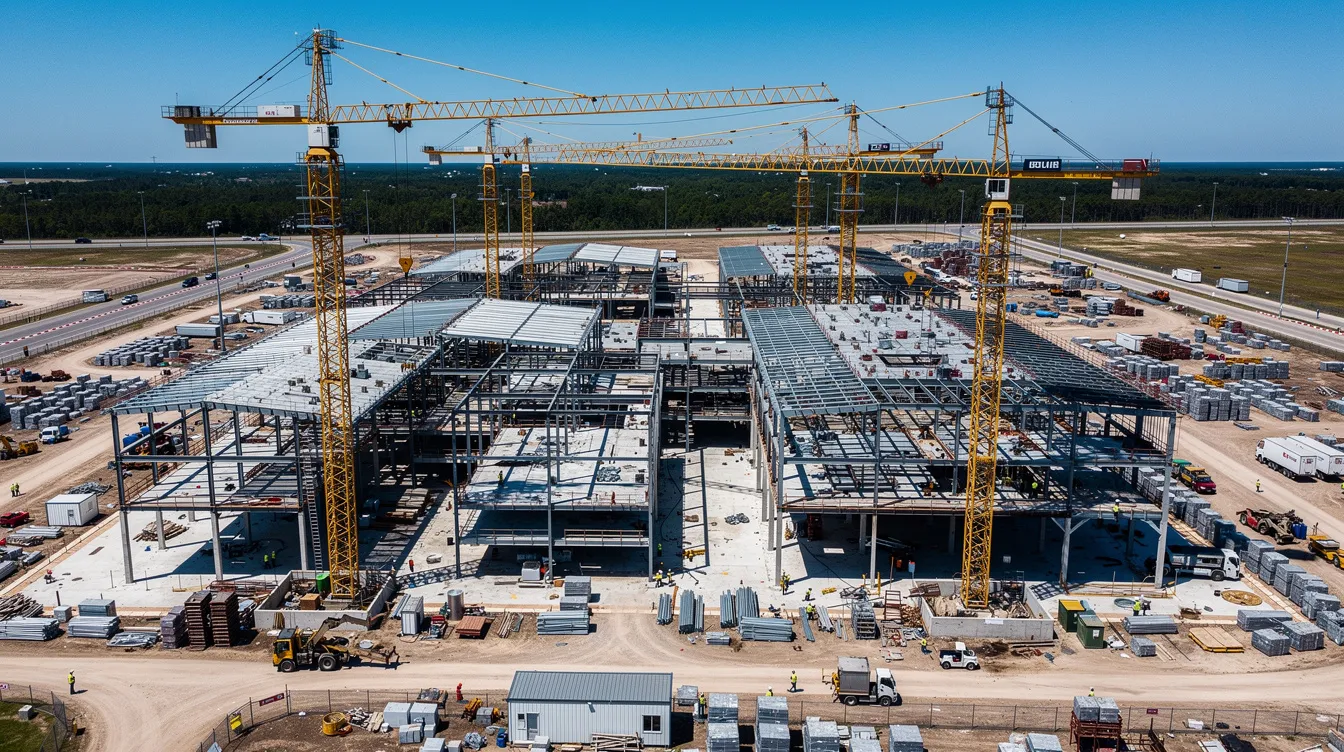
Data centers and other mission-critical facilities create a different kind of backlog than conventional commercial work. These projects are power-heavy, coordination-intensive, and often demanding for electrical, mechanical, controls, and low-voltage teams. They can improve revenue visibility, but they also tie up leadership attention and skilled labor for long stretches of a project cycle.
ABC’s July 2026 backlog data is important here: contractors performing data center work reported an average backlog of 11.4 months, compared with 7.5 months for contractors without that work. That gap does not automatically mean data center firms are healthier. It can also mean greater exposure to schedule compression, labor concentration, owner-driven changes, and long-lead equipment risk if firms keep adding work without adjusting estimates.
That is why backlog quality matters as much as backlog size. A balanced mix of healthcare, education, public work, industrial, and mission-critical projects behaves differently from a pipeline dominated by a few large campuses. One delayed utility milestone or procurement issue can ripple through staffing plans, revenue timing, and field supervision for the rest of the year.
For a related operational angle, ABC Carolinas has also explored data center construction safety and the field pressure that comes with fast, complex project delivery.
The Carolinas should not be treated as one uniform market. Even without a verified backlog figure for each metro or corridor, executives should expect different conditions by location, sector, and trade mix.
That matters because a seven-month backlog concentrated in one overheated trade or one client type may be riskier than a shorter but more diversified backlog spread across multiple regions and sectors.
A practical starting point is to review backlog in at least four slices:
If your leadership team wants a more market-specific backdrop, ABC Carolinas also has related coverage on what the data center boom means for commercial contractors in Charlotte.
Many firms treat backlog as a scoreboard. Use it as a go-or-no-go gate for each major pursuit. That keeps construction estimating and backlog connected to real operating capacity.
Here is a practical five-part gate:
The key question before bidding any major project is simple: does this job improve backlog quality, or does it only increase backlog quantity?
When backlog is heavy, estimators should resist the temptation to carry forward old assumptions from a quieter market. Dense backlogs change field conditions.
Key adjustments include:
For a broader first-party estimating resource, ABC Carolinas also has a commercial construction estimating market briefing for 2026.
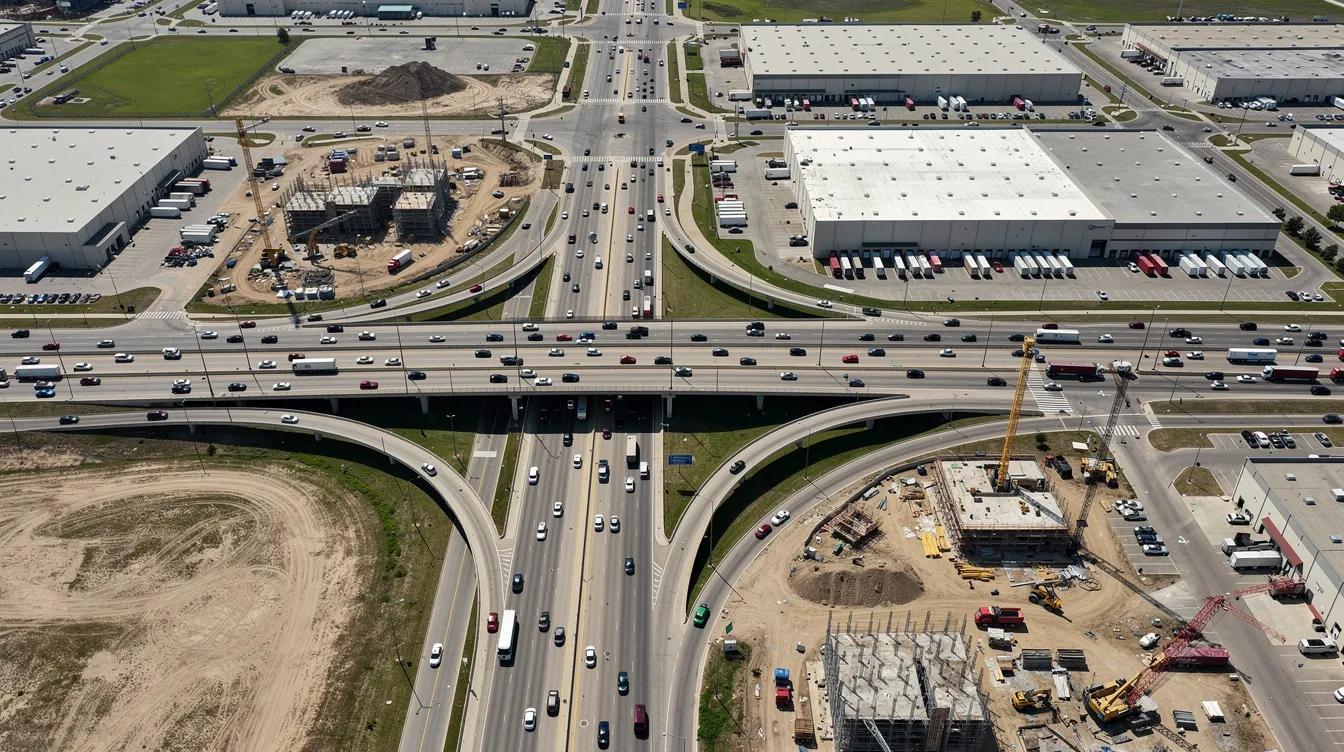
If your leadership team needs a fast decision framework, use this checklist during monthly reviews:
| Question | If yes | Likely response |
|---|---|---|
| Is more than half of projected backlog revenue tied to one owner, campus, or sector? | Exposure is concentrated | Review diversification, sequencing, and cash-flow sensitivity |
| Are the same foremen, superintendents, or specialty crews committed across multiple peak periods? | Staffing strain is likely | Reprice labor assumptions or reduce pursuit volume |
| Would one utility, permitting, or procurement delay disrupt several active jobs? | Schedule risk is linked | Build contingency and executive oversight into the affected projects |
| Are current bids relying on future hires that are not yet secured? | Capacity is being overstated | Tighten go/no-go decisions now |
| Has the estimate been updated to reflect current quote timing and field conditions? | If not, margin is vulnerable | Refresh pricing before submission |
This checklist keeps the conversation focused on risk inside the backlog, not just months of work on paper.
Consider a hypothetical Carolinas specialty contractor with eight months of total backlog on the books. On the surface, that sounds healthy. But a closer look shows that more than half of projected revenue is tied to one campus, the same supervision team is scheduled to peak across two overlapping phases, and the next three bids assume hires that have not been made yet.
In that scenario, the right decision may be to pause on one additional pursuit, reprice labor on another, and accept a slightly smaller backlog if it improves staffing fit and delivery quality. The lesson is not that growth is bad. Unmanaged concentration can make a respectable backlog far riskier than it first appears.
Before finalizing 2027 budgets, Carolinas contractors should run a full backlog reforecast tied to estimating assumptions.
Start by segmenting active work by sector, geography, and trade exposure. Then rate each project on three factors:
Once those ratings are visible, leadership can decide whether to lean into a sector, pause in an overheated trade, or walk away from work that looks good in revenue but weak in delivery conditions.
For firms that want additional market context, ABC Carolinas’ article on nonresidential construction spending in late 2026 is a useful companion piece.
A disciplined backlog gives a contractor more freedom to choose. That matters in late 2026, because not every opportunity improves the business.
This is where merit shop discipline becomes a competitive advantage. Open competition works best when leadership chooses work it can deliver profitably and safely rather than chasing volume for its own sake.
Backlog planning is workforce planning. Recent labor data still points to a constrained hiring environment, so contractors cannot assume labor will simply appear once a new award is signed.
Link hiring, apprenticeship intake, foreman development, and travel-crew decisions to the backlog by trade. A firm with a mission-critical-heavy pipeline should be growing the field leadership and craft depth needed for that environment. A firm with a more diversified mix may need broader versatility instead.
ABC Carolinas supports that work through apprenticeship, workforce development, education, and peer learning that help members align growth with real labor capacity, not wishful staffing plans.
Readers who want additional labor context can review ABC Carolinas’ piece on construction industry jobs and what the employment picture means for Carolinas contractors.

ABC Carolinas helps members turn market signals into operating decisions. That includes regional economic context, estimating and leadership education, workforce development, safety training, networking, and advocacy rooted in free enterprise and merit shop competition.
For contractors trying to sharpen construction estimating and backlog discipline, those peer conversations matter. They help executives compare labor conditions, pursuit strategy, trade pressure, and operating assumptions across North Carolina and South Carolina instead of relying on headline numbers alone.
If your team needs a practical next move, use this 30-day checklist:
The goal is not to build the biggest backlog. It is to build the best backlog your firm can staff, price, and deliver well.
Below are answers to common questions about this topic.
Monthly is a reasonable baseline for many firms, especially those carrying long-duration or mission-critical projects. Some companies also track a weekly operational burn-down view to catch staffing or productivity issues early.
One of the biggest mistakes is assuming strong backlog reduces risk. In reality, a dense pipeline often increases staffing pressure, schedule overlap, and productivity risk, which means estimates usually need more discipline, not less.
Many smaller firms are better served by pursuing defined scopes, partnering with more experienced teams, and pricing unfamiliar requirements conservatively. The goal is to gain experience without committing crews or balance sheet capacity beyond what the firm can manage safely.
Common warning signs include too much revenue tied to one owner or campus, key foremen committed across multiple overlapping jobs, and estimates that assume future hires who are not yet in place. Those signals deserve leadership review before pursuing additional work.
ABC Carolinas provides members with regional market context, training, workforce development, networking, and peer discussion that help leaders compare assumptions, pressure-test pursuit decisions, and align backlog strategy with labor, safety, and profitability goals.


