


A construction earn-and-learn program gives high school students paid, hands-on exposure to skilled trades while helping contractors build earlier connections to future apprentices and entry-level hires. That is why a Los Angeles County program expansion reported by Construction Executive matters beyond California. The headline number is attention-grabbing, but the bigger takeaway for Carolinas contractors is the model: students are introduced to construction through structured, paid training that can connect to longer-term apprenticeship and employment pathways.
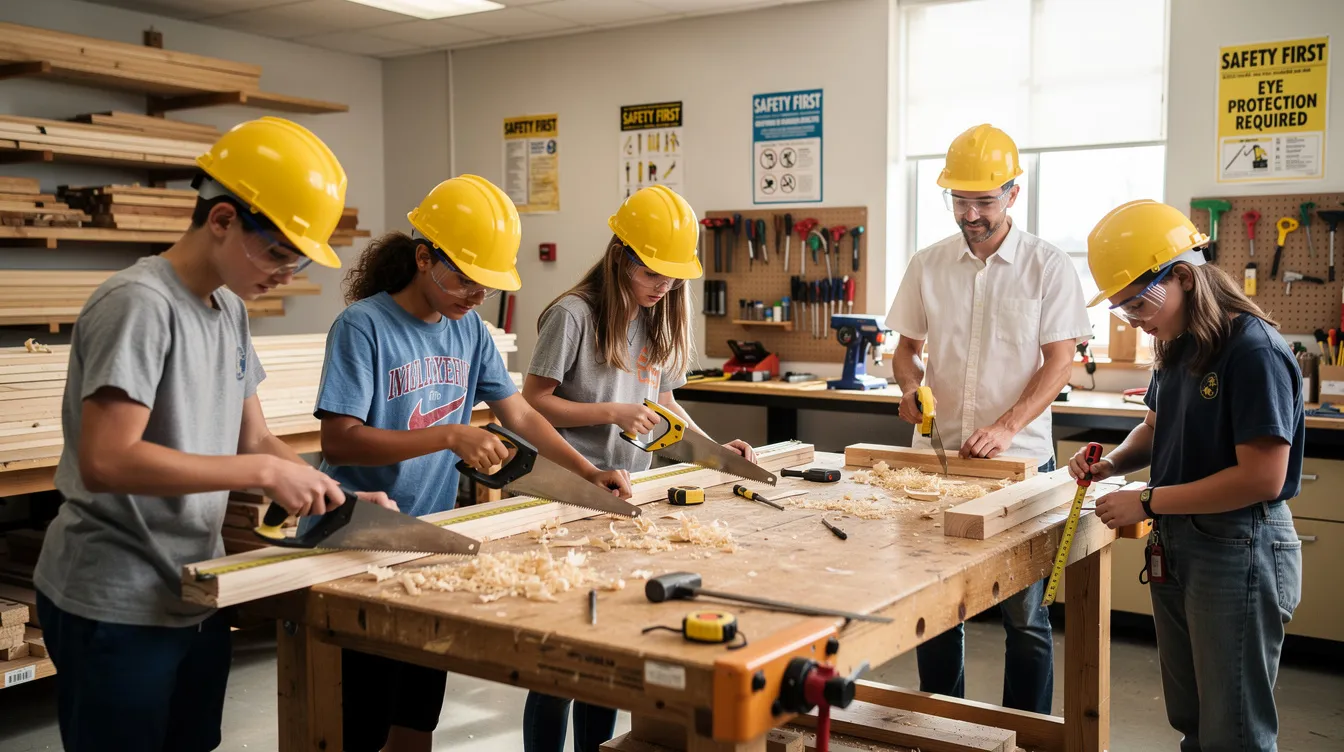
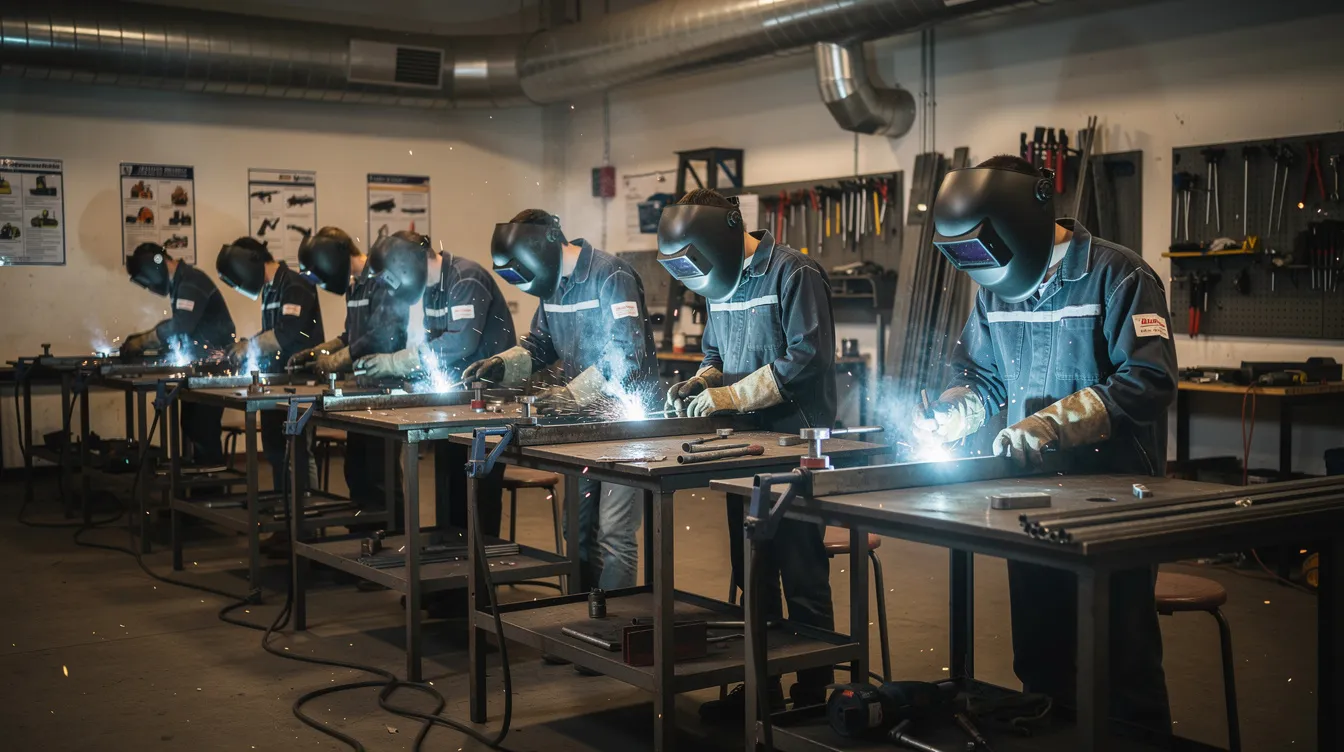
Programs like the Los Angeles example matter because they address one of construction’s most persistent challenges: getting young people into the industry early enough to build awareness, interest, and basic job readiness before graduation. In the Los Angeles County program reported by Construction Executive, students receive paid summer training in trades such as carpentry, welding, plumbing, electrical work, and solar installation. For contractors, that is more meaningful than a one-day career fair or classroom presentation. It gives students a real introduction to the pace, expectations, and appeal of craft work.
For contractors in Charlotte, the Triangle, Upstate South Carolina, and other fast-growing Carolinas markets, the business value is straightforward. A student who has already spent time in a structured, supervised trades program is more likely to understand what construction work actually requires. That can improve the quality of the future applicant pool and make apprenticeship recruitment more efficient.
The Los Angeles example also shows the importance of connecting student training to employers and post-program options. Paid exposure is useful on its own, but it becomes much more valuable when students can see a next step into pre-apprenticeship, registered apprenticeship, or employment after high school.
The Los Angeles model stands out because it combines several elements contractors care about:
That combination is why these programs deserve attention from Carolinas contractors. They are not a substitute for apprenticeship, but they can improve who enters that pipeline and how prepared those candidates are to take the next step.
Contractors sometimes hear “earn and learn” and assume it means a full apprenticeship. Usually, it does not. That distinction matters for workforce planning.
A registered apprenticeship is a formal earn-while-you-learn model that combines paid on-the-job experience with technical instruction and leads to a portable, nationally recognized credential. Apprenticeship.gov notes that these pathways can begin while young people are still in high school or continue after graduation, and that many programs connect to career and technical education and pre-apprenticeship options.
An earn-and-learn program like the Los Angeles example is better understood as an early pipeline or pre-apprenticeship-style exposure model. It is shorter, more introductory, and focused on awareness, foundational experience, and career direction. It is not a replacement for a registered apprenticeship. It helps students decide whether they want to enter one.
For contractors, the simplest way to think about the pipeline is in three stages:
| Stage | Typical Timeframe | What It Delivers |
|---|---|---|
| Earn-and-learn or early pre-apprenticeship exposure | Weeks to months | Hands-on awareness, basic readiness, and career clarity |
| Registered apprenticeship | Varies by trade and sponsor | Paid on-the-job learning, related instruction, and credential attainment |
| Journey-level advancement | Ongoing | Higher responsibility, stronger productivity, and long-term career growth |
That structure is especially relevant in the Carolinas because both states already have pathways that can support school-to-work transitions. Apprenticeship.gov says many youth pathways connect high school, CTE, pre-apprenticeship, and registered apprenticeship. In North Carolina, the community college system says eligible high school students already enrolled in a qualifying registered apprenticeship may qualify for a community-college tuition waiver. North Carolina law also includes an exception that allows certain high school apprenticeship enrollees to work up to 23 hours in a school week when school is in session, subject to the law’s conditions. In South Carolina, the Department of Education describes apprenticeship as an earn-while-you-learn model that combines on-the-job training, job-related education, and wage progression.
For Carolinas contractors, that means a summer earn-and-learn concept does not have to stop at awareness. When local schools, employers, and training partners align, they can connect to an established apprenticeship system.
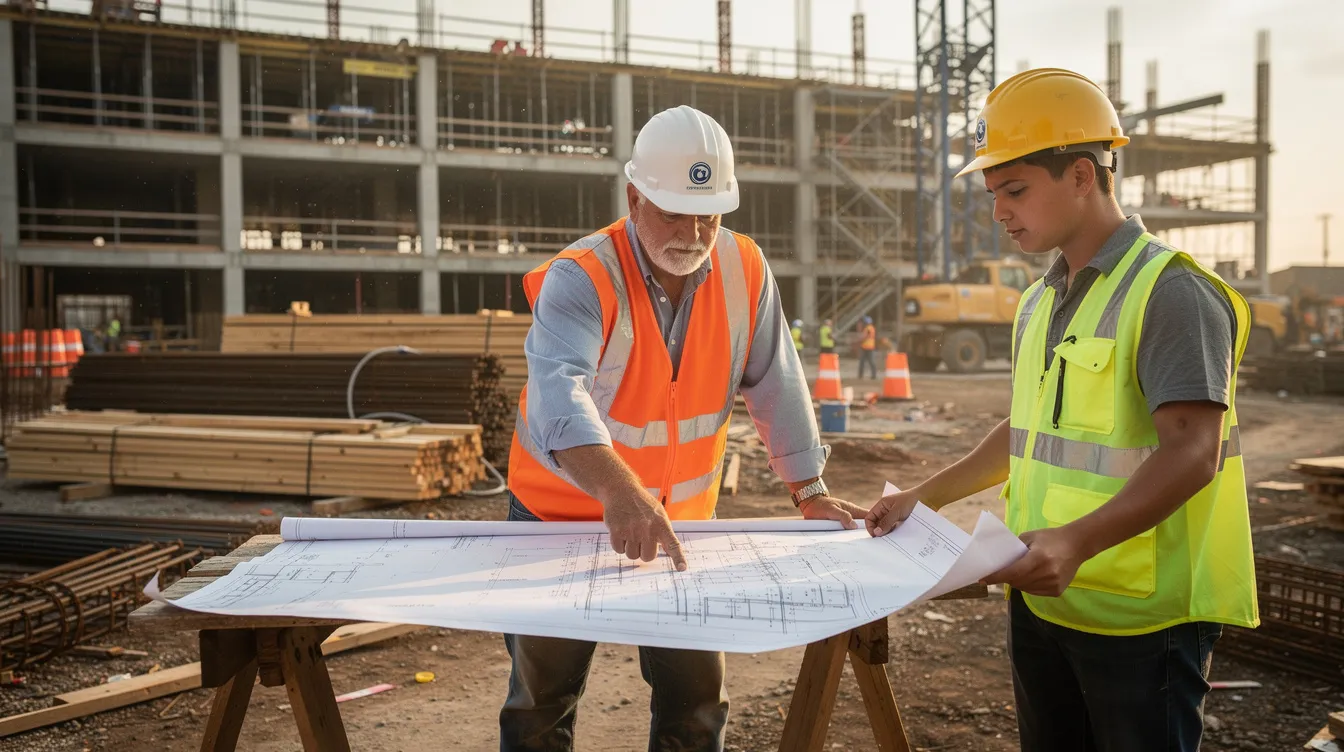
For merit shop contractors, early exposure programs are not philanthropy first. They are workforce strategy. The practical advantage is that students who have already experienced the work arrive with clearer expectations about safety, schedule discipline, teamwork, and the job’s realities.
That can help contractors in several ways:
Contractors should still keep expectations realistic. Completing a short summer program does not make a student ready for unsupervised production work. It simply means that student may enter the next stage with more awareness and a better sense of fit. Full readiness still depends on structured training, supervision, and time in the field.
Not everything about a California program transfers directly to the Carolinas, but several design principles do:
The immediate opportunity for ABC Carolinas members is not to copy the Los Angeles program line for line. It is to ask what parts of that approach can be applied through local schools, CTE programs, and apprenticeship partners in North Carolina and South Carolina.
Start with an internal workforce check:
If those relationships do not exist yet, that is the gap worth addressing. In many cases, contractors do not need to build a new system from scratch. They need to participate in one more actively.
ABC Carolinas already provides a live pathway through its Apprenticeship and Craft Education resources. For contractors that want to turn student interest into a longer-term workforce pipeline, that is the logical next connection point.
If your company wants to test this approach, keep the first step simple:
A construction earn-and-learn program is not just a feel-good school partnership. It is an upstream workforce pipeline strategy. The Los Angeles County example reported by Construction Executive is useful because it shows what happens when students get paid, hands-on exposure to skilled trades early enough to make an informed choice about construction careers.
For contractors across North Carolina and South Carolina, the lesson is practical. If you want a stronger apprenticeship and hiring pipeline two or three years from now, the work starts before graduation. It starts by building relationships with schools, CTE leaders, and training partners now.
The next step for interested contractors is straightforward: connect with ABC Carolinas about apprenticeship and craft education pathways, then look for one realistic school-to-work partnership your company can help support in your market.


